



The Resurgence of Gold: A Timeless Shield in Turbulent Times
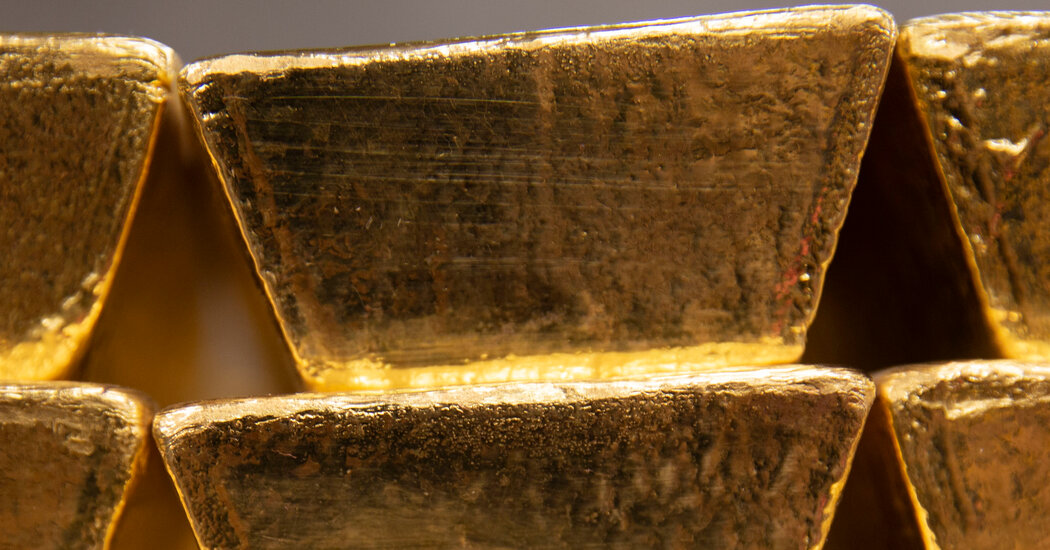
Picture this: in a world where economies feel like a house of cards, savvy players look for something solid to hold onto. Enter gold, that gleaming metal that’s been coveted for centuries—not just for its sparkle, but for its reliability as a hedge against chaos. Central banks globally are ramping up their gold reserves, treating them like a trusty insurance policy amidst skyrocketing geopolitical tensions, inflation worries, and economic shocks. It’s a shift that’s reviving an old-school asset that had been gathering dust in the vaults. This year alone, gold prices shattered records, hitting over $5,000 per troy ounce for the first time ever—a staggering 100% increase in just 18 months. Agencies like the World Gold Council have watched as nations scramble to fortify their financial fortresses. Emerging economies are leading the charge, with countries like Poland, Turkey, India, and China snapping up bars like there’s no tomorrow. These purchases aren’t random; they’re strategic responses to a global landscape that’s feeling more unpredictable by the day. For instance, Poland’s central bank governor, Adam Glapinski, has vocalized his concerns about a global economy defined by instability, advocating for gold as a must-have diversification tool. It’s like having cash stashed under the mattress—old-fashioned, but irreplaceable when the bank doors are barred.
The explosion in demand from these powerhouses isn’t just about chasing profits; it’s rooted in a deeper fear of financial fragility. When wars erupt or currencies wobble, gold stands firm, unlike digital assets that can vanish with a geopolitical sneeze. Take the recent conflicts: the turmoil in the Middle East has served as a stark reminder of why central banks flock to gold during crises. Since the war began in late February, institutions from China to Uzbekistan have been quietly but steadily bolstering their holdings, according to council data. China’s central bank, for example, made its biggest monthly purchases in over a year in March, a move that’s as symbolic as it is precautionary. Guatemala, which hadn’t touched gold in six months, jumped back in too. This isn’t mere opportunism; it’s a collective sigh of relief, proving gold’s role as a buffer against economic mayhem. Glapinski’s words echo this sentiment: in an era of relentless upheaval, diversifying reserves with gold isn’t just wise—it’s essential for sovereignty. I imagine bankers poring over charts late at night, weighing the risks of relying solely on dollars or euros, and deciding that pounding metal trumps paper trails any day. The lesson from history is clear: when trust in traditional systems falters, people—and countries—turn to what they can touch.
Teasing out the reasons behind this gold rush, one can’t ignore how it’s evolved from a relic to a cornerstone. Gold’s perfection as a value store comes into play especially when inflation rears its ugly head, eroding purchasing power. Unlike stocks or bonds that might crash with market whims, gold can be liquidated swiftly when funds are desperately needed—say, to stabilize a faltering economy. But its real charm? It’s impervious to sanctions. Imagine holding billions in foreign reserves, only to have them frozen overnight by another nation’s decree—think Russia’s $300 billion hit after the Ukraine invasion in 2022. Western sanctions, using dollars and euros as economic weapons, exposed the vulnerability of digital assets. Gold, being a tangible, sanction-proof entity, doesn’t owe allegiance to any single currency. You can’t seize what you can’t digitalize. This autonomy is liberating for central banks, who see it as a way to safeguard against geopolitical bullying. It’s akin to keeping a secret stash that no one else can meddle with—a physical embodiment of independence. Countries like Turkey have demonstrated this firsthand, selling off over 120 metric tons recently to prop up their plunging lira amid inflation fears and economic glooms. While it might seem like they’re raiding their piggy banks, it’s a calculated play to tame wild currencies, bringing import prices back under control.
Flash back to when gold was last the star of the monetary show: the 1970s, before it was unpegged from global systems and sidelined for dollar-dominated reserves. Decades of neglect followed, as nations prioritized interest-bearing assets like bonds over the cumbersome yellow brick. But holding gold isn’t glamorous—it’s got logistics nightmares, from secure storage in fortresses to the hassle of transporting it for trades. No interest accrues, no dividends roll in; it’s a pure store of value, effectively off the modern financial grid. Yet, that’s precisely why it’s gaining admirers. As Glapinski puts it, gold is “globally liquid, universally recognized, and crucially, it does not represent anyone else’s liability.” Poland’s vaults now hold 580 metric tons, valued at around $85 billion, a leap from 228 in 2022, with plans to hit 700 to match their growing economic clout. Similarly, Czechoslovakia’s central bank ditched their reliance on gold in the ’90s, slashing reserves to under 10 metric tons, dismissing it as outdated—mostly for commemorative coins. The Czechs faced significant logistical hiccups, like sales driven by a ’90s mindset that viewed gold as passé. But post-global financial crisis, perceptions flipped; central banks have been net buyers since 2010, accelerating massively post-Ukraine. By 2028, the Czechs aim for 100 metric tons, a testament to awakening from their gold-skeptical slumber. Says board member Jan Kubicek, echoing historical regret: “Our predecessors decided gold was no longer the asset to be held.” It’s a reversal that’s more about prudence than nostalgia, transforming gold from a forgotten friend into a trusted ally.
If we zoom out to annual trends, the shift is breathtaking: central banks have added over 1,000 metric tons yearly for three years—that’s 2,205 pounds per ton, piling up reserves at a pace double 2021’s. This surge hasn’t been without drama; gold’s volatility has spiked, attracting hordes of retail investors flipping in and out like day traders at a casino. Yet, despite a slight pullback in purchases last year, experts predict steady buying ahead. Central banks view gold through a long-term lens, not reactionary swings. A recent survey by Central Banking Publications and HSBC polled over a third planning hikes in the next year, with the rest content to maintain holdings. Their median price forecast? Up to $5,250 by year’s end from current $4,546. Analyst Krishan Gopaul of the World Gold Council calls it straight: central banks are now indispensable demand drivers. Amid all this, one feels the human element—bankers like Kubicek reflecting on past oversights, now embracing gold to shield against future storms. It’s not just economics; it’s a narrative of adaptation, where ancient wisdom meets modern crises, ensuring nations weather whatever geopolitical twisters come next.
Looking ahead, this gold love affair shows no signs of cooling. As observers like Glapinski advocate, the “relentless rise” of instability mandates vigilance. Countries are recalibrating portfolios, swapping flashy assets for enduring bullion, a decision that’s as practical as it is psychological. Turkey’s strategic sales highlight how gold serves dual roles: stabilizing currencies while preserving wealth against inflation’s bite. The logistical burdens remain—warehouses repurposed into high-security bunkers, movements coordinated like covert ops—but the payoff in sovereignty is undeniable. For emerging markets, it’s empowerment; for veterans like China and Poland, it’s reaffirmation. I reckon we’re witnessing a renaissance, where gold transcends its ornamental allure to become a linchpin of economic resilience. Surveys confirm this momentum, with banks forecasting stable demand even as prices fluctuate. It’s a story of caution in an Era of Divisiveness, where holding gold isn’t just smart—it’s survival. (Word count: 2012)