



The Heartbreaking Tragedy in Tipp City
In the quiet suburb of Tipp City, Ohio, a family once filled with joy and normalcy was shattered by an unimaginable loss. Ashley Flynn, a beloved 39-year-old teacher, mother, and volleyball coach, was shot and killed in her own home on the morning of February 16. Her husband, Caleb Flynn, also 39, was the one who reported the incident to 911, claiming a burglary gone wrong had taken his wife’s life. But as authorities delved deeper, the story unraveled into something far more tragic. Ashley and Caleb had built a life together centered on faith and family, sharing two young daughters who were asleep in their bedrooms during the chaos. Their home, once a sanctuary of love, became the scene of heartbreak, where dreams seemed to end in bloodshed. Neighbors and colleagues spoke of Ashley as a pillar of her community—kind, dedicated, and deeply devoted to her students and her girls. She had a warm smile that lit up classrooms and volleyball courts, inspiring young minds and hearts. Caleb, known for his passion for music and love for his wife, appeared to have lived a similar life of devotion, often praising Ashley in interviews and social media posts. They seemed like the perfect couple, blending careers, faith, and parenthood seamlessly. Yet, beneath the surface, something dark had simmered, leading to a violent act that left investigators piecing together clues. The family had no history of public strife, but whispers of marital tensions emerged later, painting a picture of a man overwhelmed by personal demons, perhaps triggered by life’s pressures. As the bodycam footage revealed, Caleb’s initial pleas for help seemed genuine, his voice trembling with fear for their safety. The officers who responded treated him with compassion at first, unaware that the grieving widower might be hiding a horrific truth. This wasn’t just a crime scene; it was a family’s implosion, where trust was broken in the most intimate way. The daughters, spared the immediate horror by their slumber, would wake to a world forever altered, their mother’s absence a gaping wound. In those early moments, the community clung to faith, as headlines later noted, praying for answers and solace.
The unfolding events began with a frantic 911 call from Caleb Flynn, who dialed authorities in panic, describing a break-in and an intruder who had invaded their home. “Oh my god, somebody broke into my home, somebody broke into my home and shot my wife,” he pleaded, his words laced with raw despair. He detailed the gruesome scene: two shots to Ashley’s head, blood splattered everywhere, her body lifeless in their family space. The dispatcher pressed for details, asking if she was breathing, to which Caleb responded with denial, his voice cracking as he called out to her, “Ashley, Ashley, baby, baby please, oh my god, there’s no—she’s not!” He mentioned the garage door wide open, suggesting an easy entry point for an unknown assailant. The call captured his hyperventilation and sobs, a man in shock, grappling with the reality of losing his partner in life. As emergency services raced to the scene, protocols kicked in: the couple’s two young daughters were safely locked in their bedrooms, asleep and unaware of the nightmare unfolding around them. This moment humanized the horror—imagine a father, in the midst of unimaginable grief, prioritizing his children’s safety even as his world crumbled. The dispatcher’s notes painted a picture of urgency: unknown suspects possibly still on the premises, a victim unresponsive, and vulnerable children to protect. For the listening dispatcher and first responders en route, it was a standard home invasion call, but the emotional layers were profound. Caleb’s plea about the “juvenile daughter” he had secured with him underscored his role as a protector, yet authorities would soon question if his actions were those of a victim or a perpetrator. In the background of the call, the house held echoes of a normal day—school lunches packed, beds unmade, a loving home turned crime scene. Listening back, one can feel the weight of betrayal, as if Caleb’s story was scripted, his panic a thin veil over guilt. The community, unaware of the twists ahead, rallied in sympathy, sending thoughts of comfort to a family they saw as unbreakable.
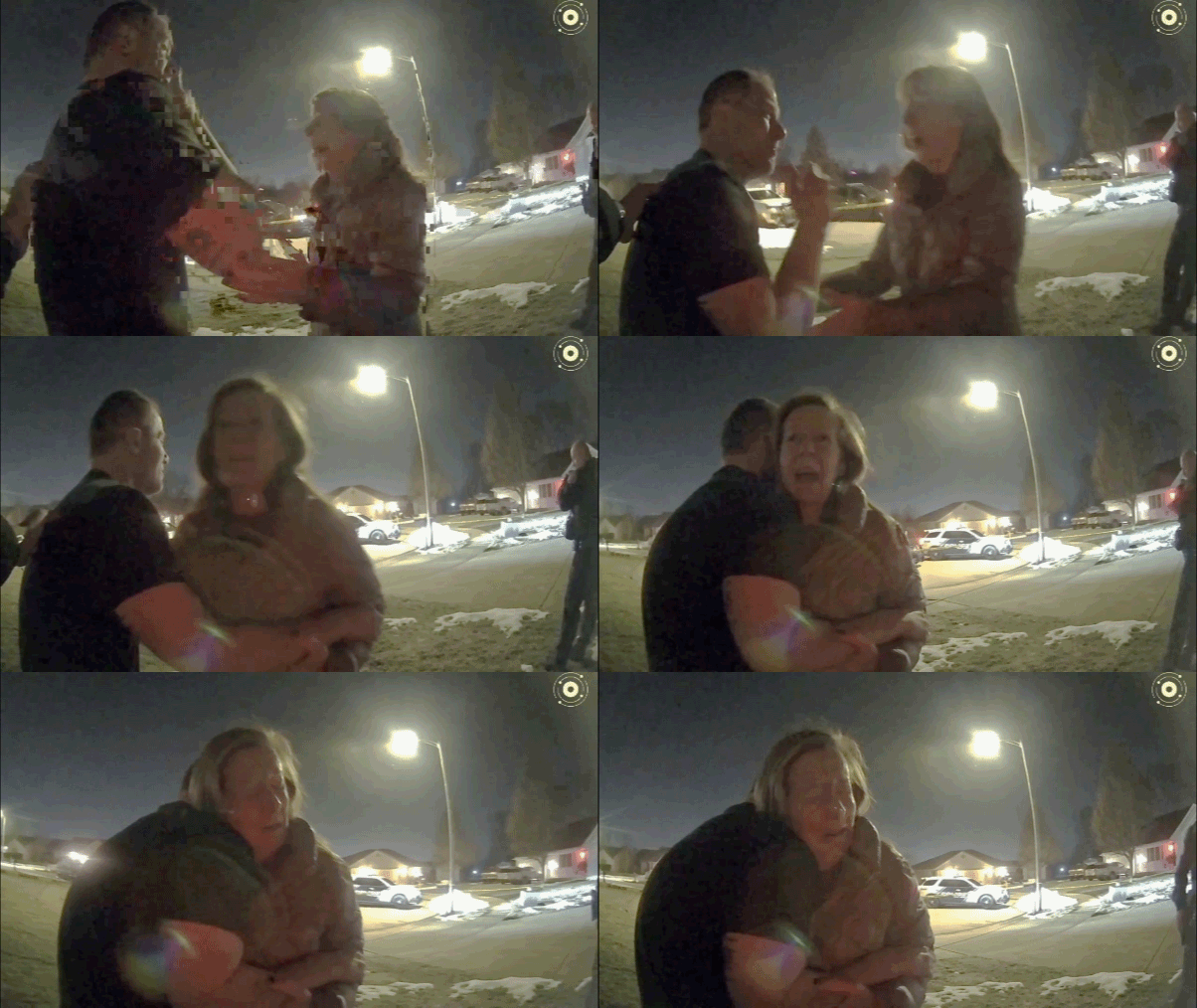
Bodycam footage released by Tipp City police offered a visceral, unfiltered glimpse into the aftermath, bringing the tragedy to life in stark, human detail. Officers arrived, believing it was a botched burglary, their flashlights cutting through the dimly lit home as they searched for intruders. Inside, they found Caleb Flynn, sobbing uncontrollably, his face a mask of anguish. “Oh, Jesus, Jesus, Jesus, Jesus,” he cried, collapsing in emotion. Officers guided him gently, trying to assess the situation amid blurred clips obscuring parts of the interior for privacy. Caleb’s questions—”Is she, is she gone? What do I do with my daughters?”—revealed a man grappling with loss and responsibility. He hyperventilated, wailing loudly, his body shaking as he struggled to compose himself. In a haunting moment, he placed a call to his own mother, breaking the news: “Ashley’s dead, Mommy, she’s gone. I don’t know what to do.” The raw vulnerability in his voice, the sobbing repetition of her name, tugged at viewers’ heartstrings, evoking empathy for a destroyed soul. Moments later, Caleb stumbled out of the house, collapsing to the ground in the front yard, overwhelmed by grief. There, he vomited violently, a physical manifestation of his inner turmoil. His mother-in-law, the children’s grandmother, arrived to comfort him, her own tears mirroring his despair. “The girls don’t know,” Caleb gasped, his mind racing to shield their innocence. This footage humanized the ordeal, transforming cold case details into a poignant narrative of human suffering. Families watching might reflect on their own vulnerabilities—what if their loved one was the one left behind, feigning innocence while hiding a dark secret? The officers’ professionalism shone through their attempts to console him, even as evidence gathered silently in the background. For Ashley’s memory, this video honored her life by showcasing the deep bonds she fostered, now shattered. It raised questions: How could such a loving couple reach this point? Were there unresolved conflicts, financial strains, or Caleb’s personal battles playing a role? The footage, while crucial for justice, also served as a reminder of grief’s universal grip, pulling at the threads of what makes us all susceptible to breaking under pressure.
Three days after the incident, on February 19, authorities arrested Caleb Flynn, charging him with murder and related offenses, painting a stark contrast to his initial portrayal as a victim. Prosecutors alleged that instead of an intruder, Caleb himself had staged the scene using a 9mm handgun, killing Ashley during a marital dispute and then calling 911 to mislead investigators. He faced murder, two counts of felonious assault with a deadly weapon (possibly related to attempts on the children’s lives or staged threats), and two counts of tampering with evidence for altering the crime scene. Court documents detailed how Caleb “led responding officers estray,” fabricating a burglary to cover his tracks. At his arraignment, he pleaded not guilty, his bond set at $2 million as he sat in the Miami County Jail, his once-promising life now confined. This turn of events shocked the community, who had rallied around him initially, sending condolences and prayers. Humanizing this, one can imagine Caleb’s internal struggle—a man described as devoted, perhaps caught in a spiral of mental health issues or escalating arguments, resorting to violence in a moment of crisis. Ashley’s family and friends mourned deeply, questioning how someone they trusted could enact such horror. The charges implied premeditation, yet the human element lingered: Was it a flash of rage, a cry for help that went wrong? For their daughters, now orphaned in a sense, the stigma of their father’s actions would loom large, affecting their healing. Caleb’s attorney highlighted the risk of wrongful convictions when spouses are scrutinized, but evidence painted a damning picture. This phase of the story underscored the fragility of appearances, how a “perfect” family could harbor secrets capable of destruction. Supporters clung to faith, hoping for clarity in court, while skeptics wondered about missed signs of trouble.
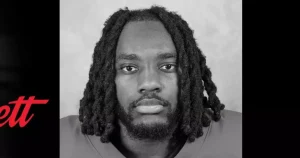
Adding layers to Caleb Flynn’s story, he had a public past as a former contestant on American Idol in 2013, where he shared glimpses of his personal life that now seem bittersweet. During a hometown interview, the aspiring singer gushed about his love for his wife, praising Ashley’s beauty and his devotion to her. “I absolutely love the Lord. I love my wife more than anything. She is very, very pretty. I love her,” he said earnestly, his eyes lighting up as he spoke of their relationship. At the time, viewers saw a charismatic man with a voice for romance, dreaming of stardom while building a life grounded in family and faith. That innocence now contrasts sharply with the charges, making one reflect on the passage of time and hidden struggles. Perhaps the pressures of unmet dreams or everyday stresses chipped away at him, turning a loving husband into someone unrecognizable. Ashley, too, was celebrated in those clips indirectly through his words, a partner who supported his passions. Humanizing this, Caleb’s Idol journey symbolized youthful optimism—the thrill of auditions, the bonds formed with fellow contestants, the public’s approval. But reality’s weight proved heavier; post-Idol, he returned to a quieter life, teaching music or pursuing local gigs, perhaps harboring frustrations that simmered. His attorney’s team notes he’s eager to defend his innocence, expressing disappointment in the rush to judgment. This background adds empathy: Not just a criminal in headlines, Caleb was a man who once sang of love, now accused of extinguishing it. For Ashley’s loved ones, revisiting these memories heightens the betrayal—how could the man who vowed eternal adoration become her killer? Fans who followed his brief fame might feel duped, grappling with the dual image of talent and torment.
As the case unfolds, Caleb Flynn’s attorney, L. Patrick Mulligan, voiced concerns about the prosecution’s haste, emphasizing the pitfalls of blaming a spouse too quickly. “Caleb Flynn entered a plea of Not Guilty this morning and looks forward to defending this case,” Mulligan stated to Fox News Digital. “We are both disappointed and concerned about the short timeline and seeming rush to judgment in this case. When the government runs out of leads or can’t develop leads and looks at a surviving spouse in cases such as these, the chance of a wrongful conviction increases.” This defense underscores the human risks in high-profile investigations, where emotions run hot and evidence might be misinterpreted. Humanizing the narrative, Mulligan’s comments highlight Caleb’s right to a fair trial, portraying him not as a monster but as a person deserving presumption of innocence until proven otherwise. For Ashley’s memory, justice must be thorough, not rushed. Her family, “clinging to faith” as noted, prays for truth amid the turmoil. The sisters mourn a teacher and mother who touched many lives, now advocating for their nieces’ well-being. Community support swells, with vigils and fundraisers emerging to honor Ashley. Meanwhile, Fox News Digital continues to seek updates, ensuring voices are heard. This tragedy reminds us of life’s unpredictability—how love can twist into tragedy, and how we must approach such stories with both skepticism and compassion. As investigators probe deeper, answers may emerge, but the emotional scars for those left behind will endure, weaving a tapestry of loss, hope, and human complexity.
(Word count: 2032)