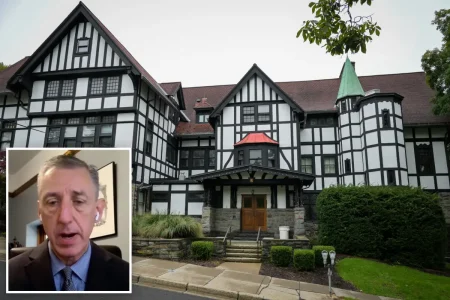





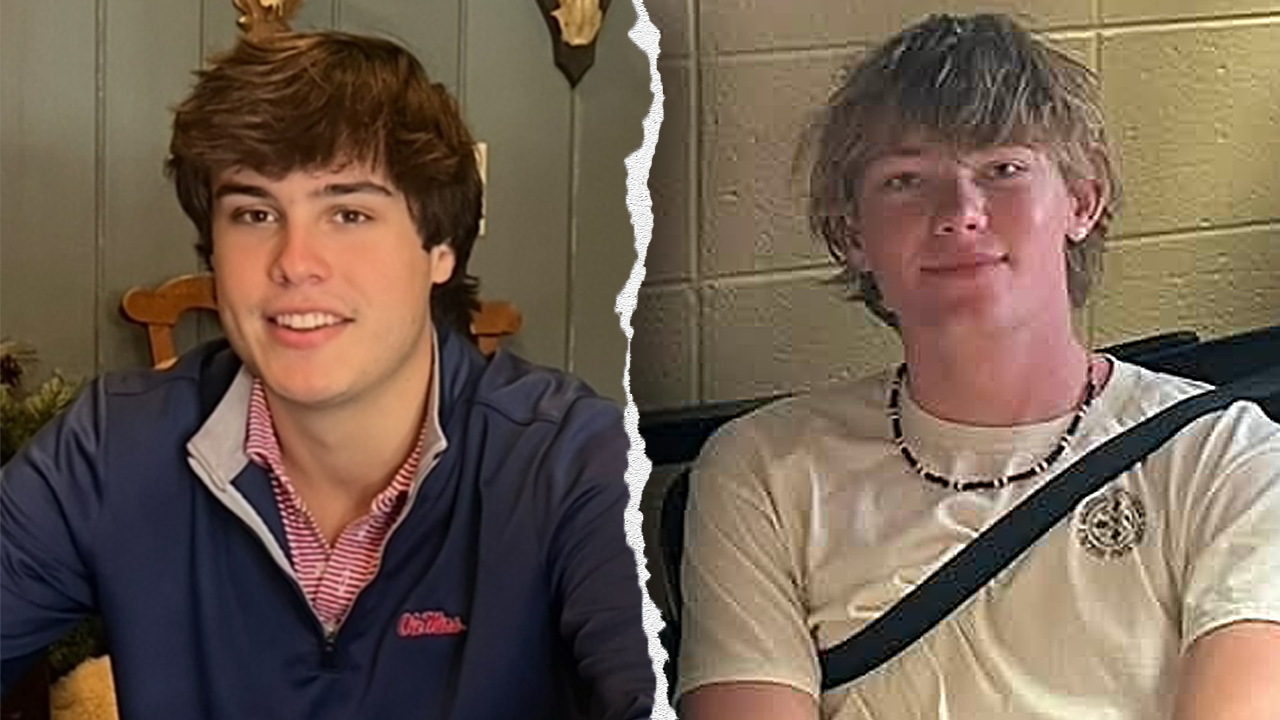
Oxford, Mississippi, is a college town built on tradition, Southern charm, and the rhythms of Ole Miss football season. But in late September, the tight-knit community was shaken to its core when two students were found dead within an hour of each other, their lives ending not in a violent incident or a familiar campus accident, but in quiet, confusing circumstances that have left more questions than answers. Aidan Hamilton was just 18, a freshman with his whole future ahead of him. Robert Strang was 20, a young man who had already found a routine in college life. Both were discovered in their off-campus homes, and both had similar packages of a substance near them, a substance that authorities would later describe as a kratom-like product. When first responders arrived at Strang’s house near campus, he was already gone, “cold to the touch.” Hamilton’s death was equally devastating; officials said he “could have died due to a Pulmonary Edema,” a condition often associated with drug overdose. The heartbreak is beyond measure. These were not statistics or case numbers. They were someone’s sons, someone’s roommates, someone’s friends. And now their families are left to grieve in public, waiting for answers while investigators piece together the final days, hours, and moments of two young men who were simply trying to live their lives.
The details that have emerged from court documents paint a troubling picture of what may have happened. The packages found near both Hamilton and Strang were labeled “Smax, Pseudo-DHM” tablets, which authorities describe as a “Kratom like substance at gas stations or tobacco shops” that people buy for the “narcotic like effect.” Kratom is a plant-based substance that has become increasingly popular in recent years, often sold in the same places as energy drinks, vapes, and convenience store snacks. It exists in a legal gray area in many states, and its products can be dangerously inconsistent in potency and purity. Pseudo-DHM, also known as a synthetic kratom derivative, is even more concerning. These are not regulated pharmaceuticals. They are not FDA-approved medicines. They are products that can be bought over the counter, sometimes with a quiet warning from the person behind the register. For young people, especially college students, these products can appear harmless. They are legal, easily accessible, and often marketed as natural alternatives. But the reality is far more serious, as the deaths of these two students now suggest. The court records note that Hamilton had made several purchases in September at Puffs Vape, Tobacco and Beer Store in Oxford, including one purchase just one day before he was found dead. The word “vape” sounds casual, almost harmless, but what was allegedly happening inside that store was anything but.
The investigation into Puffs Vape, Tobacco and Beer Store has brought two arrests and a harrowing allegation that makes the tragedy even more disturbing. According to court records, a confidential informant went into the store and asked if they sold “7 O Kratom based pills.” A store clerk said yes, opened a drawer underneath the register, and pulled out a package of kratom. That alone is suspicious enough, but what happened next is the kind of detail that law enforcement remembers. The clerk, identified as Yahya Mohamed Mosleh, 51, allegedly told the informant to be quiet about the pills and to be careful taking them because “people were dying from them.” Those words, reportedly spoken by a man who was supposed to be a legitimate retailer, are now chilling. He knew there was danger. He knew that people were dying. And according to investigators, he kept selling. Mosleh and Islam Mohamed, 18, were both arrested and charged with possession of a controlled substance with intent to distribute. When authorities searched the store, they seized over 500 units of kratom along with THC cartridges, gummies, pre rolls, and other suspected THC substances. This was not a small, under-the-table operation to a handful of people. This was a retail store with a drawer full of potentially dangerous drugs, allegedly hidden beneath the register, sold to young customers who were perhaps unaware of how much risk they were taking with each pill.
Behind the legal and criminal details lies the human story of Aidan Hamilton, a young man whose friends described him in ways that made his death seem impossible to reconcile. His roommate told officers that Hamilton often smoked marijuana, but did not know him to use any hard drugs. To those around him, he was just another college kid, someone experimenting with typical college behaviors, not someone on a dangerous path. Yet the purchases he made at Puffs Vape in the weeks before his death suggest that he was exploring something more, perhaps without understanding what it could do to his body. He was found with the same kind of kratom product that authorities later found near Strang, and the medical examiner’s finding of pulmonary edema, a buildup of fluid in the lungs, is consistent with a drug overdose. The fact that his last purchase was made just one day before he died is a detail that is hard to process. It means that for some period of time, Hamilton had these products in his possession while going about his normal routines, perhaps talking to his roommate, perhaps studying, perhaps scrolling through his phone. No one knew that his life was in danger. No one saw the warning signs, because the substances he was taking were hiding in plain sight, sold to him by someone in a store not far from campus.
Then there is Robert Strang, whose story adds yet another layer of sorrow and complexity. One hour after Hamilton was found dead, police were dispatched to a house near campus, where they found Strang dead. On his nightstand was a package of the same “Smax, Pseudo-DHM” tablets, alongside 20 to 30 Nitrous Oxide cans, known as “whippets,” which Strang’s roommates said he used daily. This detail alone paints an alarming picture. Whippets are inhalants that produce a quick but powerful high, and daily use is not typical casual recreation. But even more heartbreaking is what his roommates remembered about his last day. Strang was watching football the day before he was found dead and took a Xanax bar. It sounds like a lazy, normal Sunday for a college student: football, maybe some relaxation, friends around. But the combination of substances was potentially catastrophic. Officials also noted that the synthetic kratom-derived product Strang had bought was purchased at a gas station about 30 minutes away from Oxford. So Strang may not have even gotten his product from the Puffs store, but he ended up with the same tragic result. His story is not a simple case of a reckless addict. It is the story of a young man who likely believed he was using legal, manageable substances, unaware that the combination, the dosage, or the unknown potency of what he took would be too much for his body.
These two deaths have opened a wider conversation about the dangers of substances that remain legal, accessible, and dangerously underregulated. Officials have not yet determined what role kratom played in Hamilton and Strang’s deaths, and it is possible that other substances were involved, including Xanax and nitrous oxide. But the fact that a vape store clerk allegedly warned a customer that “people were dying” from these very pills makes it impossible to dismiss the concern. The case is still under investigation, and no doubt toxicology reports will reveal more in the coming weeks. But for now, the families of these two students are left with the unbearable weight of loss. They are left with the image of their sons being found in their bedrooms, their final moments perhaps unnoticed and alone. These were young men who were supposed to be cheering in the stands, studying for exams, or calling their mothers just to say hello. Instead, their deaths have become warnings, symbols of a much larger crisis in which dangerous substances hide behind bright packaging and retail displays. The community of Oxford is grieving, and the signs point to a need for greater awareness, stricter regulation, and perhaps most importantly, more compassion for the young people who are still navigating the temptations and pressures of college life. They deserve more than drawers full of pills and quiet warnings. They deserve to live. And as this investigation continues, one can only hope that justice will be served for Aidan Hamilton and Robert Strang, not just through arrests, but through the answers their families so desperately need.