


Alpine Heat and Geopolitical Friction: Inside the High-Stakes US-Iran Peace Summit in Switzerland
A Fragile Dawn at Lake Lucerne: Diplomacy Amidst Geopolitical Heat
High above the picturesque, mist-shrouded waters of Lake Lucerne, the ultra-luxury Bürgenstock Resort was transformed this week into the epicenter of global geopolitics as high-stakes US-Iran peace talks commenced under a historic Swiss heatwave. This summit, aimed at transforming an incomplete, highly volatile truce into a comprehensive and lasting peace treaty, carried a heavy atmosphere of hope mingled with deep-seated institutional skepticism.
In the early hours of Monday morning, mediators from Pakistan and Qatar issued a joint statement revealing that American Vice President JD Vance and his Iranian counterparts had made “encouraging progress” during their initial overnight session—a round of talks designed to lock in a permanent agreement within a strict 60-day timeframe. Swiss authorities, acting in their traditional role as neutral hosts, quickly labeled the initial exchanges “constructive,” sending a wave of relief through international markets that have been on edge for months.
Yet, beneath the calm alpine surface and the warm diplomatic rhetoric lay the sobering reality of decades of bitter hostility, a devastating regional war, and the incredibly complex domestic political landscapes of both Washington and Tehran. For the diplomatic corps gathered in Switzerland, the opening sessions represented not a final destination, but the start of a perilous journey, where the warmth of summer diplomatic “vibes” was constantly threatened by the cold realities of Middle Eastern proxy warfare and deep ideological divides. This initial progress, while welcome, serves as a delicate prelude to what will undoubtedly be a grueling test of modern statecraft, balancing the preservation of national sovereignty against the urgent global demand for stability.
The Parallel Tracks of Progress: Communication Channels and the IAEA Nuclear Conundrum
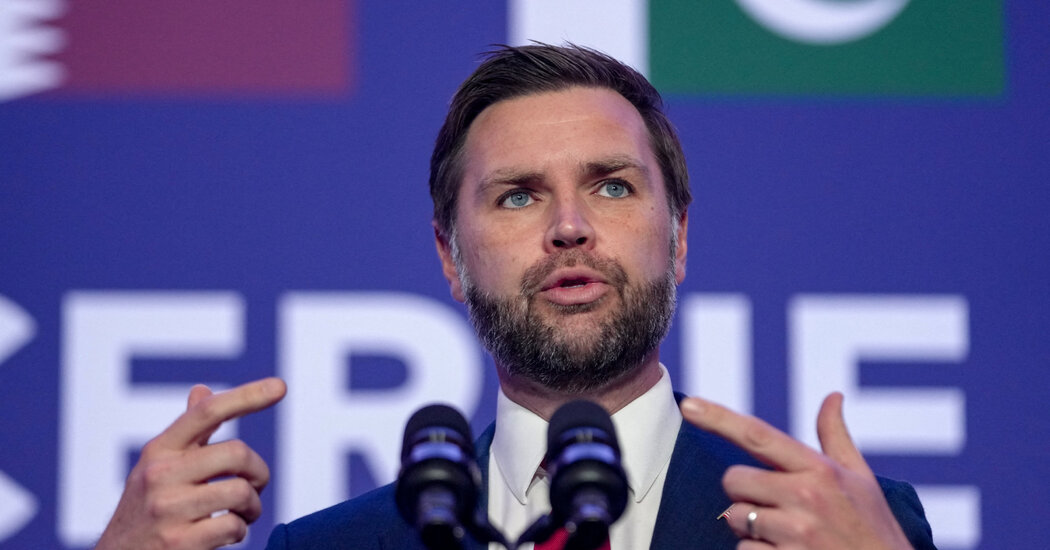
A cornerstone of this initial progress was the establishment of two separate communication channels, designed specifically to address the most immediate flashpoints threatening to collapse the fragile peace process: the ongoing fighting in Lebanon despite a nominal cease-fire and the critical transit barriers in the Strait of Hormuz. Emerging from the resort on Monday afternoon, Vice President JD Vance projected an aura of triumphant optimism, declaring to reporters that “yesterday was a very, very good day” and insisting that the American delegation had accomplished precisely what it set out to achieve.
In a notable statement aimed at securing a major foreign policy win for the transition team, Vance asserted that the Iranian delegation had verbally promised to readmit inspectors from the United Nations’ nuclear watchdog, the International Atomic Energy Agency (IAEA). However, this potential breakthrough was immediately clouded by Tehran’s conspicuous silence, as Iranian officials failed to confirm the inspector agreement, highlighting the vast gap that often exists between American public pronouncements and Iranian domestic narratives.
Furthermore, the focus on restoring access for IAEA inspectors, while a critical confidence-building measure, underscored how the summit’s agenda has been hijacked by immediate security concerns rather than the core nuclear questions. Under the original memorandum of understanding signed last week, the 60-day window was primarily intended to resolve the highly complex details surrounding the dilution of Iran’s existing near-weapons-grade uranium stockpiles and to establish verifiable bans on future production—thorny strategic issues that were largely sidelined during these initial, reactive rounds of talks.
Social Media Sabotage and the High-Stakes Walkout at Bürgenstock
The sheer volatility of these negotiations was dramatically exposed on Sunday when the Iranian delegation, headed by the powerful Speaker of Parliament Mohammad Bagher Ghalibaf, staged a sudden walkout from the bargaining table. The catalyst for this high-stakes diplomatic theater was not a deadlock over policy, but a characteristically aggressive social media post from President Donald Trump, who threatened to resume immediate and devastating American military strikes against Iran if a comprehensive deal did not materialize.
This digital broadside sent shockwaves through the Swiss resort, highlighting the immense difficulty of conducting delicate international diplomacy in an era dominated by live-tweeting and public posturing. Qatari and Pakistani facilitators were forced into hours of frantic, behind-the-scenes shuttle diplomacy to mollify the insulted Iranian delegation and convince them to return to the negotiating table.
Although Ghalibaf’s team eventually resumed talks, the incident underscored a profound institutional challenge: the mismatch between the slow, methodical pace of professional diplomacy and the erratic, high-pressure communication style of the White House. It served as a stark, early lesson that while the preliminary memorandum of understanding created a structural framework for dialogue, the entire peace process remains highly vulnerable to sudden, unpredictable disruptions that could derail months of planning in a single afternoon.
Relitigating the Unresolved: The Ghost of the Lebanon Conflict and the Strait of Hormuz Bottleneck
To the frustration of international observers, the delegations spent a disproportionate amount of their limited time relitigating issues that were supposed to have been resolved by the initial truce, rather than addressing the long-term strategic challenges of the region. Chief among these issues is the ongoing conflict in Lebanon, which erupted in February when Israel, in close coordination with the United States, launched a large-scale military campaign against Iran-backed forces.
Despite the national truce calling for an immediate cease-fire, both the Israeli military and Hezbollah have continued to launch devastating daily attacks against one another, rendering the peace agreement paper-thin in practice. In retaliation for these ongoing Israeli strikes, Tehran had movingly declared the closure of the Strait of Hormuz—a vital maritime chokepoint responsible for the transit of a significant portion of the world’s petroleum supply—which has remained heavily restricted throughout the conflict, driving global oil prices to historic highs.
While American defense officials countered by claiming that global shipping traffic was still managing to navigate the strait, the mere threat of a total maritime blockade forced the negotiators at Lake Lucerne to focus their energy on immediate de-escalation rather than long-term peace. This reactive posture has raised serious concerns among analysts, who warn that as long as the active proxy wars in the Levant and the Persian Gulf continue to flare, the broader US-Iran peace process will remain permanently trapped in a cycle of crisis management, unable to address the foundational nuclear rivalries that drive the conflict.
Irrational Exuberance vs. The Long Game: Market Realities and the Art of the Iranian Stall
As international oil indices fluctuated and global financial markets surged with a wave of optimism following the first reports of progress, veteran geopolitical strategists were quick to urge caution. Carl B. Weinberg, the chief economist at High Frequency Economics, warned that the financial market’s initial reaction was a classic display of “irrational exuberance” and predicted that the coming days would bring a harsh “reality check” to investors worldwide.
Weinberg argued that Iran’s leadership has no intention of capitulating to a quick, 60-day diplomatic victory for the Trump administration; instead, Tehran is likely employing a highly calculated strategy of “strategic patience,” designed to string out the negotiations for years. Under this long-term political calculus, the Iranian government may seek to drag the talks out until January 2029, hoping that a future American administration will offer more favorable terms without requiring the dismantling of their domestic security architecture.
This skeptical view is strongly supported by the stop-start nature of the summit itself, such as Vice President Vance’s last-minute cancellation of his initial flight to Switzerland after Iran briefly pulled out to protest Israeli military actions. Furthermore, Ghalibaf’s subsequent social media declarations that Iran’s “armed forces are prepared to respond” to any American aggression serve as a potent reminder that beneath the polite smiles and diplomatic handshakes in Switzerland, both sides remain locked in a posture of high-alert military deterrence.
Mapping the Rocky Road Ahead: Can Swiss Neutrality and Backchannel Frameworks Yield Lasting Peace?
Despite the extensive list of hurdles and the deeply entrenched cynicism of outside observers, the Switzerland summit has successfully set in motion a structured, professional diplomatic process that represents the best hope for regional stabilization in a generation. The joint announcements from the Pakistani, Qatari, and Swiss delegations regarding the establishment of “technical talk mechanisms” and a concrete, 60-day roadmap prove that despite the public histrionics, the functional gears of international diplomacy are turning.
Swiss authorities, operating under their long-standing mandate of international neutrality and good offices, expressed their sincere hope that their diplomatic hospitality will contribute directly to de-escalation, stability, and lasting peace across the Middle East. However, as the delegations prepare to transition from high-level political posturing to the tedious, highly detailed work of technical negotiations, the ultimate success of this initiative hangs in a delicate balance.
The next 60 days will test whether the United States and Iran can truly move past decades of mutual recrimination, or if this alpine summit will ultimately be remembered as merely a temporary pause in an otherwise inevitable march toward a much larger, more devastating regional conflagration.