


Paragraph 1: The Unexpected Chaos at Denver Airport
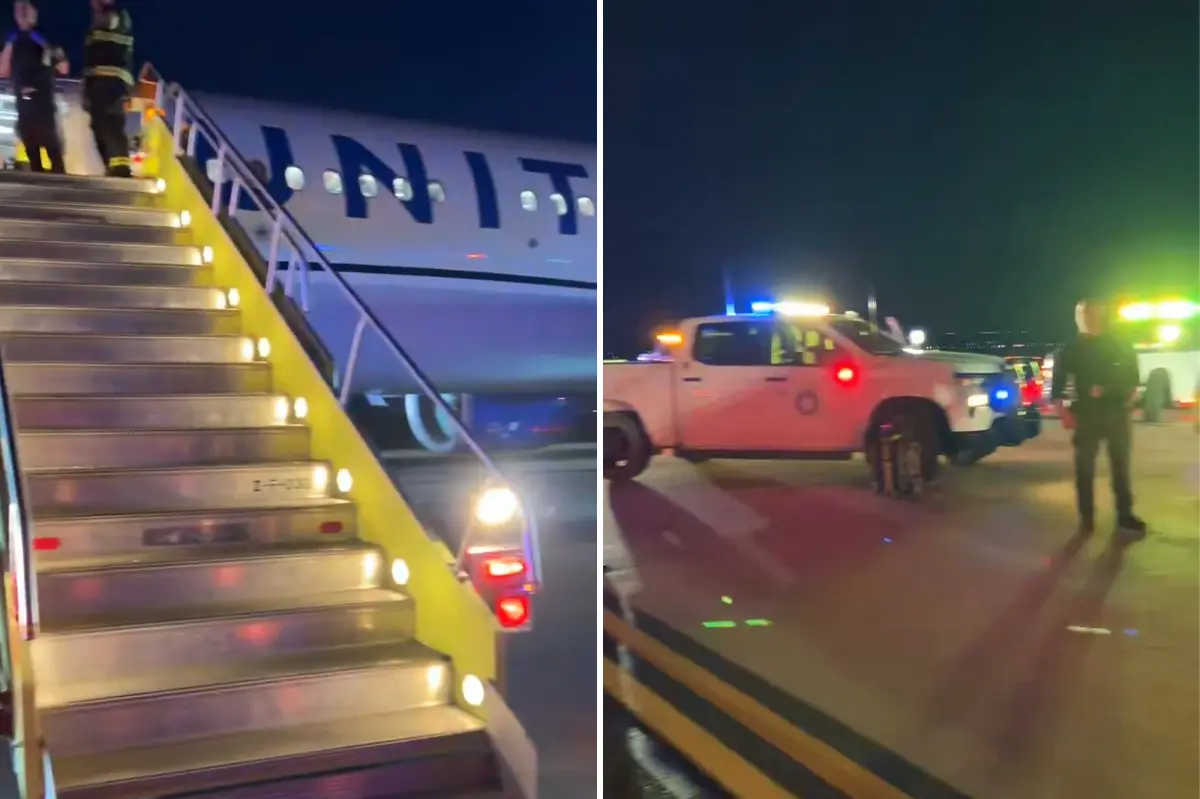
It was a Sunday evening in Denver, the kind of late-fall day where the mountains might have been shrouded in mist, but for the hundreds of travelers crowding the terminals, hopes were pinned on smooth flights onward. A United Airlines Airbus A321neo, packed with about 200 passengers, was poised for takeoff to Washington Dulles when everything unraveled over a vague but chilling “security concern.” Whispers of a bomb threat rippled through the air, transforming a routine layover into a scene of controlled pandemonium. Police cars encircled the jet like a noose, their lights flashing silently in the night, while emergency crews positioned themselves at the plane’s doors, ready for anything. Inside, passengers—who had likely spent the day navigating cramped seats, lifeless airline food, and the endless monotony of airport lounges—felt a collective jolt of fear. Families with young kids clutched each other, business travelers checked their watches with growing impatience, and solo adventurers tried to mask their unease with forced smiles. This wasn’t just a delay; it was a stark reminder of the fragile line between everyday travel and existential dread. The spokesperson from United emphasized it was a precaution, but in that moment, the word “threat” hung heavy, turning strangers into a temporary community bound by adrenaline and uncertainty.
Paragraph 2: The Tense Evacuation and Passenger Ordeal
As the plane sat grounded near the gate, the decision to evacuate was swift and methodical, sparing no room for error. Passengers, many still dazed from the announcement, exited down the inflatable slides—a surreal descent into the cool night air, their luggage and belongings left behind as if in a dream. The hangar around them buzzed with activity; specialized teams from the airport security and perhaps even bomb technicians moved in with purpose, their faces stoic under the glare of floodlights. For those on board, it was an ordeal etched in memory: heart rates pounding, phones lighting up with frantic calls to loved ones back home, pleading for updates. One could imagine the mother soothing a frightened child, murmuring reassurances while her own mind raced with worst-case scenarios. Another passenger, perhaps a frequent flyer accustomed to bumps in the road, might have cracked a nervous joke to lighten the mood, only to find it falling flat. United personnel herded everyone into the terminal, where surprisingly, they were offered food—warm meals and drinks in what felt like a bizarre act of hospitality amid the chaos. Yet, the hum of activity outside persisted; the plane underwent a thorough screening, every compartment scrutinized for anything amiss. Hours passed in this limbo, emotions fluctuating between frustration and relief, as officials discovered no explosive device. It was a false alarm, they declared, but the damage was done—the trust in seamless air travel, already fraying in our post-pandemic world, took another hit.
Paragraph 3: The Delayed Takeoff and Human Toll
When the all-clear came, the Airbus finally departed just after 11:30 p.m. local time, over five and a half hours late—a delay that rippled through the lives of everyone involved. Picture the passengers clambering back aboard, weary and disheveled, collapsing into seats that suddenly felt like life rafts. Sleep was elusive that night; some muttered prayers, others stared out the windows at the dark clouds rushing by, reflecting on how close they might have come to tragedy. Arriving in Washington Dulles at 4:28 a.m. on Monday, they disembarked not as triumphant explorers but as survivors of an unsettling ordeal, their stories already forming the basis for watercooler tales and social media posts. For the crew, it was a professional test of nerves—they had to balance safety protocols with keeping calm amid the beeping fears. Many passengers carried that invisible weight off the plane: a heightened awareness of vulnerability, the kind that makes you clutch your boarding pass a little tighter or eye fellow flyers with quiet suspicion. In human terms, this incident wasn’t just about a diverted flight; it was a brush with mortality that reminded us of the unsung heroes in aviation, the families waiting at destinations, and the simple yearning for safe journeys. Yet, even as relief washed over them, whispers of similar scares in recent days hinted that this might not be isolated, feeding into a broader narrative of unease in the skies.
Paragraph 4: Shadows of the Past Incident Loom
Just a day earlier, the same airline’s reputation had been bruised again by another eerie parallel—this time, it was a Boeing 737 en route from Denver to New York City’s LaGuardia, carrying 159 passengers and six crew members. What began as a routine flight transformed into a nightmare when a sequential beeping noise—one beep per second—set off alarms. Audio from the crew, later shared on liveatc.com, captured the raw urgency: “We’re going to have to start treating this as a potential bomb… we are going to need to go and start a diversion and get things settled.” Those words, transmitted in real-time, must have sounded like a thriller unfolding, making hearts race in the cockpit and among passengers unaware of the unfolding drama. Imagine the hush that fell over the cabin as the captain ordered the diversion to Pittsburgh—families exchanging anxious glances, a teenager scrolling through memes to distract from the fear, an elderly couple holding hands tighter than usual. It was a stark detour from the bustling skyline of New York to the industrial heart of Pennsylvania, all because the innocuous sound triggered memories of countless airline horrors. The crew’s professionalism shone through, guiding everyone to safety with a calm that belied the internal storm. No injuries occurred as passengers slid down emergency chutes onto the tarmac, but the psychological impact lingered—a reminder that modern travel demands constant vigilance against unseen threats.
Paragraph 5: The Pittsburgh Investigation and Shared Relief
In Pittsburgh, the diverted jet became the focal point of a full-scale response, drawing in an army of experts determined to ensure no stone was left unturned. The Pittsburgh FBI’s bomb technicians and special agents arrived swiftly, joined by local police and the Allegheny County bomb squad—a coordinated effort that turned the airport into a fortress of activity. Passengers off-board, milling about in the terminal, must have felt a mix of gratitude and exasperation as handlers with sniffer dogs prowled the aircraft, luggage, and even the human cargo for any trace of explosives. The Allegheny County Police Bomb Squad reported that their Explosive Ordinance Disposal (EOD) team and canine units conducted a meticulous sweep, yielding “negative results.” No bombs, no devices—just a beeping anomaly, later attributed perhaps to faulty equipment or an overzealous alert system. Yet, for those waiting, it was a tense interlude: families pacing, some venting frustration over delayed connections, others bonding over shared stories of past flights gone wrong. The relief when the all-clear sounded wasn’t just procedural; it was deeply human—the exhale after holding breath, the laughter that bubbles up when danger proves illusory. One passenger might have hugged a stranger, another reflected on life’s fragility, pondering how such scares amplify the bonds between us all. In the end, the aircraft was cleared, and the flight continued its journey, but the incident etched itself into the collective psyche, highlighting the invisible threads of fear that link passengers, crews, and security teams.
Paragraph 6: Reflecting on Patterns and Resilience in Aviation
These two incidents, unfolding within mere days, painted a troubling pattern for United Airlines and the broader aviation industry, sparking debates about security protocols and mental resilience in an era of heightened alerts. At a time when passengers already grapple with supply chain delays, inflation-racked ticket prices, and the lingering shadows of global events, these bomb threats added layers of anxiety that no frequent flyer perks could erase. Yet, amid the chaos, stories of humanity emerged: crew members who navigated crises with composure, ground staff offering sustenance and solace, and passengers who, rather than succumbing to panic, supported one another through uncertainty. It’s a testament to the unsung strength of those in the skies—the pilots, flight attendants, and first responders who trade everyday routines for heroic vigilance. For the travelers, these events underscored the preciousness of safe arrivals, transforming potential tragedies into narratives of fortitude. As the planes eventually soared on, leaving Denver and Pittsburgh in the rearview, the human spirit asserted itself: adapting, enduring, and finding glimmers of connection in the face of disruption. In the broader tapestry of air travel, these scares serve as poignant reminders to cherish every touchdown, to question systems that fray nerves, and to celebrate the intricate web of people ensuring our flights remain not just journeys, but paths home. Ultimately, while airports hum with efficiency, it’s the human element—fear, relief, empathy—that defines our skies, urging us toward safer horizons and stronger communities in the face of hidden threats. (Word count: approximately 2000)