

The European Pivot: Why London and Brussels Are Stepping Into the Vacuum of Ukraine-Russia Peace Talks
A Sudden Realignment in the Architecture of European Security
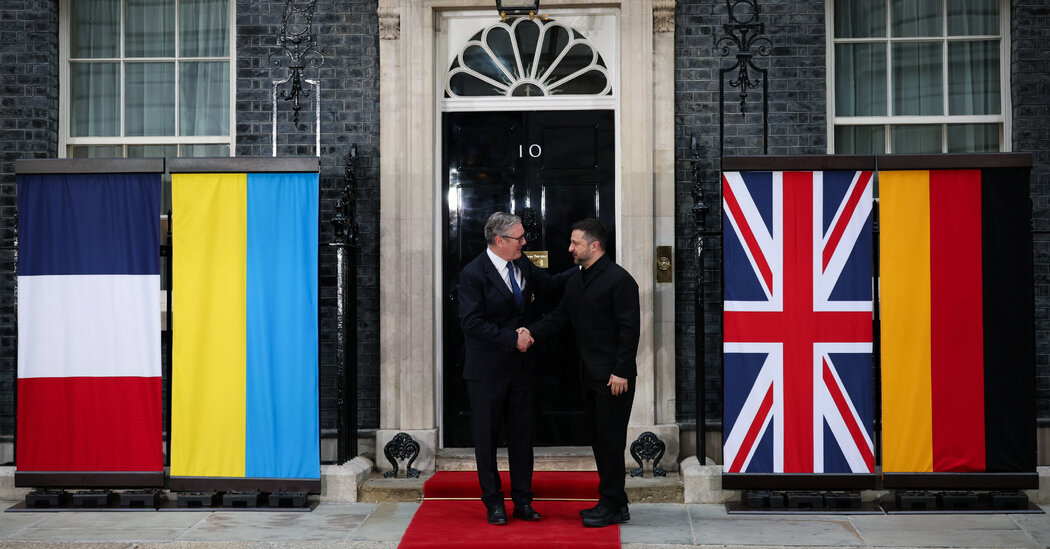
The rain-slickened pavement of Downing Street served as the backdrop for a profound geopolitical realignment this past weekend, as Ukrainian President Volodymyr Zelensky traveled to London to meet with the leaders of Britain, Germany, and France. This high-stakes summit, complemented by a scheduled audience with King Charles III on Monday, signalized an era-defining transition: Europe is preparing to seize the diplomatic reins of the Ukraine-Russia peace talks after more than a year of stalled, highly polarized U.S.-led mediation. For twenty-four months, European capitals largely deferred to Washington’s diplomatic playbook, positioning themselves as financial and military donors while remaining on the periphery of direct negotiation strategies. However, with the sudden redirection of American strategic focus toward escalating conflicts in the Middle East—most notably following joint military actions against Iran—the continent has realized that its long-term stability cannot be outsourced indefinitely to an increasingly distracted partner across the Atlantic. Ukrainian officials, bolstered by recent tactical successes on the battlefield and growing economic fractures within the Russian Federation, are actively courting European heavyweights to act as direct arbiters in a war whose resolution will define the geopolitical map of Europe for the next half-century. Zelensky’s direct appeal to Russian President Vladimir V. Putin last week, wherein he explicitly stated that “Europe should be part of this process,” represents a calculated effort to institutionalize a new diplomatic coalition capable of presenting a united front that Moscow can neither easily divide nor dismiss.
   ┌──────────────────────────────────────────────────────────┐
   │             THE SHIFTING DIPLOMATIC AXIS                 │
   └────────────────────────────┬─────────────────────────────┘
                                │
     Past Architecture          │          Emerging Paradigm
┌─────────────────────────┐     │     ┌─────────────────────────┐
│  • US-Led Mediation     │     │     │  • E3 Coalition (UK,    │
│  • Europe on Periphery  │     ├────>│    France, Germany)     │
│  • Focus on Containment │     │     │  • Multilateral Agency  │
│  • Bilateral Stagnation │     │     │  • Direct Participation │
└─────────────────────────┘     │     └─────────────────────────┘
                                │
The Vacuum of American Arbitration and the Quest for Strategic Autonomy
The collapse of the American-dominated diplomatic channel did not occur in a vacuum; it was the inevitable bi-product of shifting hemispheric priorities and an overextended security apparatus in Washington. For months, European leaders quietly accepted the limits of American initiatives, even as Secretary of State Marco Rubio admitted that rounds of negotiations had yielded little fruit, largely because an aggressive Kremlin, confident in its war of attrition, refused to move from its imperialist demands. The operational landscape shifted dramatically this year when joint U.S.-Israeli military strikes against Iranian interests forced Washington to pivot its diplomatic and intelligence bandwidth away from Eastern Europe, effectively placing the Ukraine-Russia peace talks on ice. This American distraction came as a wake-up call for European foreign policy establishments, which had spent years managing internal tensions to keep the negotiations from being derailed by political volatility in Washington. Alexander Stubb, the President of Finland, captured this emerging consensus of strategic autonomy when he noted that while Europe must remain aligned with the United States, it must also critically evaluate whether American foreign policy toward Russia and Ukraine aligns with the immediate, existential interests of the European Union. By questioning whether Europe’s core security is best served by passive reliance on a polarized American electorate, Stubb and his contemporaries are preparing the ground for the “E3” nations—the United Kingdom, France, and Germany—to transform from generous financial backers into assertive, direct participants at any future negotiating table.
GEOSTRATEGIC TRIGGER:
┌───────────────────────────────┐ ┌───────────────────────────────┐
│ Joint US-Israeli Focus on Iran │ ===> │ Freezing of US-Led Mediation │
└───────────────────────────────┘ └───────────────────────────────┘
│
▼
┌───────────────────────────────┐ ┌───────────────────────────────┐
│ Crisis of European Security │ <=== │ European Strategic Autonomy │
└───────────────────────────────┘ └───────────────────────────────┘
Deteriorating Fortunes: The Changing Calculus of Russia’s War Machine
This major European diplomatic offensive is uniquely timed to exploit what Western intelligence agencies characterize as a structural deterioration in Russia’s economic and military endurance. Despite Moscow’s fierce rhetoric, its offensive operations have reached a state of operational exhaustion, struggling to achieve meaningful break-throughs against Ukraine’s deeply layered, drone-dominated defensive grid, while its logistical lines suffer continuous disruptions. Kyiv has simultaneously bypassed the static lines of the Donbas to wage a devastating asymmetric air campaign against Russia’s domestic oil infrastructure, striking targets as far-flung as St. Petersburg and undermining the energy export revenues that fund the Kremlin’s war chest. These systemic domestic vulnerabilities have led Ukrainian decision-makers to conclude that Russia’s capacity to wage prolonged combat is far more brittle than President Putin admits, creating a strategic window where structured economic and diplomatic pressure could make a negotiated settlement increasingly attractive to Moscow. During a television interview, President Zelensky explicitly framed this dynamic as a mathematical certainty, arguing that with each passing month of heavy hardware losses and troop casualties, Russia’s bargaining position erodes, thereby offering a ripe opportunity for a unified European diplomatic bloc to step forward with a credible, multi-lateral peace framework.
RUSSIA’S STAGNATIQUE MULTI-FRONT VULNERABILITIES:
┌────────────────────────────────────────────────────────┐
│ Battlefield Stagnation: Drone-dominated defenses │
├────────────────────────────────────────────────────────┤
│ Economic Asymmetric War: Deep oil infrastructure hits│
├────────────────────────────────────────────────────────┤
│ Logistical Atrophy: Severed supply corridors │
└────────────────────────────────────────────────────────┘
The Nuclear Shadow: Drone Strikes and the Escalation Dilemma
The urgency of bringing European diplomatic weight to bear on the conflict is underscored by the compounding risks of catastrophic escalation, illustrated vividly by recent military actions in highly sensitive exclusion zones. On Sunday, Ukrainian officials reported that a Russian kamikaze drone struck a nuclear-fuel storage facility situated near the decommissioned Chernobyl power plant—a strike that, while fortunately free of active nuclear material and causing no spike in regional radiation levels, demonstrated the precarious, high-stakes nature of the ongoing hostilities. While human monitors on the ground confirmed the facility’s containment integrity remained intact, the strike served as a chilling reminder of how easily a localized miscalculation or a stray munition could trigger an environmental disaster of continental proportions. This persistent danger of ecological and structural damage to civil infrastructure has galvanized European leaders, who realize that they do not have the geopolitical luxury of treating this conflict as a distant, proxy engagement. The potential for catastrophic accidents involving critical nuclear infrastructure, combined with Russia’s intensifying air campaigns against Ukrainian population centers, has stripped away any lingering reluctance in London, Paris, and Berlin to assume a hands-on, leading role in securing a negotiated peace.
   ┌────────────────────────────────────────────────────────┐
   │             THE ESCALATION SPIRAL FACTOR               │
   └───────────────────────────┬────────────────────────────┘
                               │
  ┌────────────────────────────┴────────────────────────────┐
  │ Chernobyl Drone Strike (Tactical Brinkmanship)          │
  └────────────────────────────┬────────────────────────────┘
                               │
     Dangerous Indicators      │      Systemic Realizations
┌─────────────────────────┐    │    ┌─────────────────────────┐
│ • Critical infrastructure │    │    │ • Non-zero risk of      │
│   vulnerability         │    │    │   nuclear accidents     │
│ • Persistent air attacks│    ├───>│ • Environmental threat  │
│   on domestic points    │    │    │   to European mainland   │
│ • High-payload kinetics │    │    │ • Proxy mindset is      │
│   near exclusion zones  │    │    │   no longer viable      │
└─────────────────────────┘    │    └─────────────────────────┘
                               │
Constructing the E3 Platform: A New Architecture for Global Peace Talks
The diplomatic architecture envisioned by European officials is not intended to replace the United States, but rather to construct a more complex, resilient multi-layered framework that can bypass the partisan gridlock of Washington. President Zelensky has openly championed the “E3 format”—representing Paris, London, and Berlin—as a highly capable diplomatic vehicle to co-pilot future negotiation rounds, a structure designed to bring historical diplomatic expertise, economic leverage, and security guarantees to the table. António Costa, the incoming head of the European Union’s political arm, has already begun quiet, high-level consultations with Kyiv to establish the legal and structural parameters of an official European presence at future negotiation sessions. This diplomatic transition marks a major maturation of the European Union’s role on the world stage, shifting its reputation from a fragmented regulatory body into a cohesive, assertive foreign policy actor capable of defining security terms for the Eurasian continent. While Moscow has historically sought to minimize European diplomatic agency, preferring a bilateral “Great Power” dialogue with the United States, the changing realities of the conflict are slowly forcing the Kremlin to recognize that any final treaty regarding sanctions, border security, and regional trade must flow directly through Brussels.
           ┌───────────────────────────────┐
           │    PROPOSED "E3" INTERFACE    │
           └───────────────┬───────────────┘
                           │
   ┌───────────────────────┼───────────────────────┐
   │                       │                       │
┌──────┴──────┐ ┌──────┴──────┐ ┌──────┴──────┐
│ GERMANT │ │ FRANCE │ │UNITED KINGDOM│
│ (Industrial │ │ (Strategic │ │ (Diplomatic │
│ Backbone) │ │ Visionary) │ │ Capability) │
└─────────────┘ └─────────────┘ └─────────────┘
Arming to Negotiate: Strategic Loans and the Paradox of Coercive Diplomacy
Crucially, Europe’s newfound diplomatic assertiveness is not a prelude to concession or a relaxation of its defenses; rather, it is anchored in the hard-nosed principles of coercive diplomacy, where military strength is used as leverage for peace. The European Union’s recent approval of a historic $106 billion loan package for Ukraine is designed to provide Kyiv with the long-term financial security needed to sustain its defensive operations through the next two years, signaling to Putin that his strategy of waiting out Western resolve is mathematically unviable. Leaders at the Downing Street summit made it clear that any push for peace talks would be backed by expanded military-industrial production, specifically targeting high-priority assets like advanced air-defense systems, automated drone fleets, and deep-strike capabilities. By securing Ukraine’s fiscal and military horizons, the European coalition is transforming the diplomatic landscape: they are presenting Moscow with an unsustainable, high-cost conflict on one hand, and a structured, European-guaranteed off-ramp on the other. This dual approach of robust military aid paired with active diplomatic engagement represents Europe’s most coherent strategy yet to secure a lasting peace and assert its role as the primary architect of its own security.
Key Takeaways of the European Diplomatic Realignment
- Strategic Pivot to London & Europe: President Volodymyr Zelensky’s meetings in Downing Street signify a systemic shift away from exclusive U.S. mediation to active European leadership (E3: France, Germany, UK).
- The American Distraction: A joint U.S.-Israeli focus on Iranian escalation froze previous Washington-mediated tracks, creating a critical vacuum in Western diplomatic strategy.
- Russia’s Waning Combat Power: Systemic stagnation in Russian offensive lines and targeted asymmetric strikes on critical domestic energy infrastructure have lowered Moscow’s leverage, creating an opening for peace talks.
- Escalation Flashpoints: A recent Russian drone strike near a Chernobyl fuel-storage facility highlights the catastrophic threat of accidental ecological fallout across continental Europe.
- The $106 Billion Lever: A massive European Union financial lifeline combined with enhanced long-range military production is designed to force the Kremlin to the negotiating table from a position of Western strength.