


Disillusionment Sweeps Britain’s Electorates: A Nation’s Rebellion Against Traditional Power
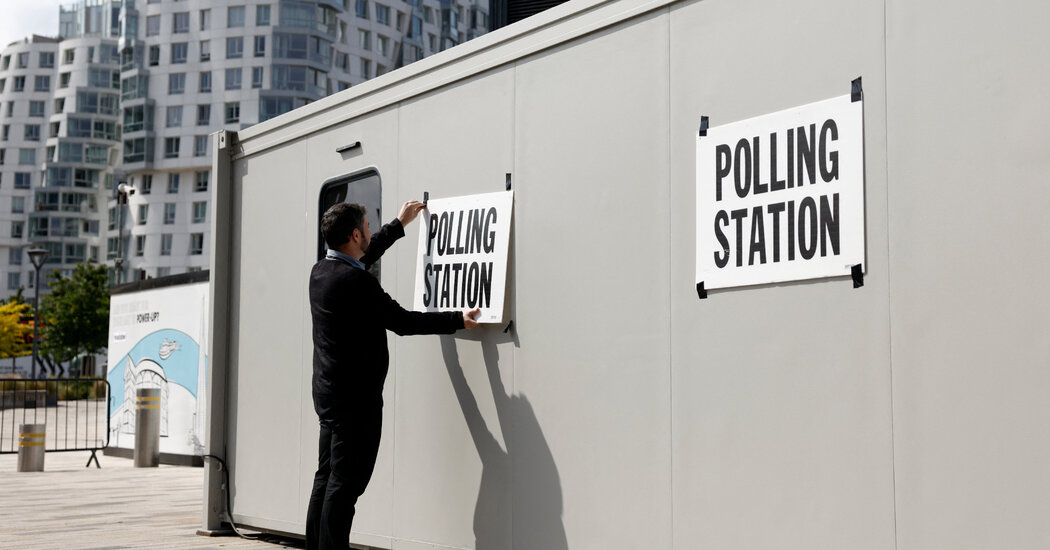
In the quaint coastal enclave of Dumbarton, where the River Clyde whispers tales of Scotland’s industrial past, Jackie Baillie has held sway as the Labour MP since 1999. But whispers of change are stirring, echoing across the United Kingdom as voters prepare for what could be a seismic shift in Thursday’s elections. Scotland and Wales will elect members to their devolved parliaments, while many English regions gear up for local council contests. This isn’t just another voting day; it’s a referendum on the political status quo, fueled by widespread frustration with incumbents. As polls point to a rout for Prime Minister Keir Starmer’s Labour Party, the mood in places like Dumbarton captures the essence of a nation yearning for alternatives.
Ninety-eight-year-old Willie Henderson, sipping tea in a park-side cafe overlooking the Clyde, epitomizes this discontent. A lifetime fixture at the local whisky distillery, he once inherited his father’s unwavering Labour loyalty but now eyes an independent candidate. “I’ve lost total faith in all politicians,” he declares, his voice steady despite the years. “They start with good intentions, then just line their pockets—the gravy train never stops.” Henderson, who cherishes simple pleasures like blue skies and sunshine, dismisses political promises as hollow. His sentiments resonate in opinion polls that spell disaster for Starmer, positioning Labour as a distant third or worse in thousands of local races. Analysts like Luke Tryl of More in Common frame it as the collapse of Britain’s two-party system, a voter revolt against complacency. Even without Starmer on the ballot—no general election looms until 2029—his unpopularity, hovering near historic lows, casts long shadows over these devolved polls.
The transformation gripping British politics is profound, marking the most significant upheaval in generations. Voters are abandoning Labour and the Conservatives, embracing outsider forces. On the right, Nigel Farage’s Reform UK, a staunch critic of immigration and ally to Donald Trump, leads national polls for the first time in years. Across the spectrum, Zack Polanski’s Green Party lures left-leaning disillusioned souls with its environmental zeal and progressive stance. The Conservatives, once Margaret Thatcher’s ironclad bastion, teeter near oblivion, scraping single-digit support in many areas. University of Oxford’s Jane Green warns this isn’t mere protest; it signals a deeper exodus, where trust in the old guard has evaporated. Farage, buoyant, predicts a breakthrough surge, while Polanski positions the Greens as a sanctuary for alienated Labour moderates. Scotland, Wales, and England alike fracture further, with fringe parties chipping away at the establishment. Only Northern Ireland sits out this cycle, but the tremors are felt nationwide.
Labour’s Woes Echo in Wales: From Heroic Murals to Bitter Betrayal
Traversing north of Cardiff to Tredegar, a Welsh valley town etched with industrial scars, one encounters a mural of Aneurin Bevan, the Labour icon who forged the NHS after World War II. This town, steeped in mining heritage, was once Labour’s unassailable fortress. “You could put a donkey with a red rosette and they’d vote for it,” recalls Melvyn Williams, a retired steelworker still clinging to his roots. But that loyalty is fraying at the edges. Polls suggest Labour could relinquish control of the Welsh Senedd for the first time in its history, outpaced by Plaid Cymru’s push for Welsh independence and Farage’s Reform juggernaut. In this former stronghold, frustration bubbles over, painting a portrait of a party disconnected from its working-class base.
For 53-year-old salon owner Claire Markey, who has coiffed Tredegar’s residents for nearly two decades, the shift is palpable. “It’s a Labour area, but people aren’t happy with Labour right now,” she observes, her scissors pausing mid-snip. Beside her in the chair sits David Jones, an 83-year-old ex-miner who’s forsaken a lifetime of red votes for Reform. Politicians, he grumbles, “promise the world and deliver nothing.” In Caerphilly’s Reform stronghold, candidate Llyr Powell capitalizes on such angst, fixating on immigration despite the area’s modest immigrant population. “People feel it firsthand,” he insists, positioning Reform as Labour’s gravedigger. Yet Plaid’s leaders, like Rhun ap Iorwerth, counter that Welsh patriots will spurn Farage’s English-centric populism. Candidate Delyth Jewell echoes this, warning voters view Reform as a foreign intrusion, a threat to Welsh identity amid “deep disillusionment with Keir Starmer.”
England’s Councils in Turmoil: Greens and Reform Battle for Local Power
England’s local councils, the unsung linchpins of daily governance—from bin collections and library shelves to pothole raids and park maintenance—hinge on public funding and council taxes. Thursday’s elections will decide 5,000 seats across urban boroughs and rural hamlets, with Labour holding 2,196. Projections grim: they could forfeit three-quarters or more. The grievances vary, revealing a tapestry of local anxieties. In remote towns, immigration fears bolster Nigel Farage’s Reform UK, while central London’s progressive enclaves tempt Zack Polanski’s Greens, dismayed by Starmer’s centrist economics, strict migration policies, and perceived ambivalence on Palestinian issues. These shifts underscore a broader rejection of Labour’s watered-down agenda, as once-loyal voters seek bolder visions.
Pollster Luke Tryl notes Reform’s appeal in some districts, amplified by crime fears despite falling crime rates—London’s homicides hit a record low. Yet, for many, the draw is economic mobility and social justice. The Greens, under Polanski, court younger, educated urbanites with promises of better transit and cycling infrastructure. As councils scramble to budget cuts and rising costs, these elections feel like a microcosm of national discontent, where traditional Labour strongholds morph into battlegrounds for populist insurgents and environmental advocates alike.
Scotland’s Shifting Tides: Nationalism Rising Amid Labour’s Decline
Back in Dumbarton, Jackie Baillie’s potential ousting after 25 years would epitomize Labour’s Scottish retreat, hastening the SNP’s grip on Holyrood. Social worker James Curry, 60, a former SNP backer, wrestles with his ballot. “They’ve had their time in power—I don’t know if they’ve honored their promises,” he says, citing NHS and education woes. Firm in one conviction, he’s rejecting Reform, recoiling at its anti-immigration rhetoric and reports of homophobic slurs from its Scottish leader. Curry’s skepticism mirrors broader Scottish disillusionment, where Labour’s historic sway wanes under Starmer’s Westminster stewardship.
In Edinburgh’s progressive outskirts, Green candidate Lorna Jane Slater campaigns amidst pro-Palestinian posters and eco-banners. “It draws young, educated renters who want cycling lanes and public transport,” she describes her constituency. While the SNP has delivered perks like free university tuition and “baby boxes,” Slater argues rising living costs and service declines demand change. Labour’s pitch—that results would follow Tory defeat—rings hollow. “It’s not great,” she laments, confident Greens will surge where Labour falters, blending environmentalism with social justice in this independence-leaning nation.
Predictions of Upheaval: From Leadership Plots to Voter Awakening
As ballots stack up on Saturday, Keir Starmer faces a reckoning that could spur Labour mutiny. Plans for leadership challenges simmer within the party, fueled by sources whispering of dissent. London School of Economics’ Tony Travers doubts open rebellion but warns catastrophic results might embolden challengers—”very, very bad” outcomes could trigger bold moves. Amid this, Britain’s electorate awakens to possibilities beyond the binary, experimenting with Reform’s radicalism and the Greens’ idealism. Whether in Dumbarton’s cafes or Cardiff’s valleys, the undercurrent is clear: after decades of promises unmet, voters are rewriting the political script.
This electoral maelstrom isn’t isolated; it’s the culmination of post-pandemic disenchantment and economic pressures. Farage’s predicted victory laps energize his base, while Polanski’s ascent signals a greener horizon. Yet, as conservatives cling to scraps and nationalists entrench in devolved assemblies, the true test lies ahead. Will this be a fleeting protest or the dawn of enduring change? In a UK weary of recycled elites, Thursday’s votes may forge a new path—or expose deeper fractures. Either way, the nation watches, hopeful yet wary, as democracy’s pendulum swings anew.