


A Bitter Tangle of Aid, Minerals, and Accusations
Picture this: In the sweltering diplomatic corridors of Lusaka, a long-simmering tension between the United States and Zambia has erupted into a full-blown public spat, threatening to upend years of fragile partnerships. It all stems from a healthcare funding deal worth billions, where the U.S. promised vital support for Zambia’s beleaguered health system. But last week, things turned ugly when the outgoing U.S. ambassador, Michael Gonzales, took to the stage in a farewell address that felt more like a scathing indictment than a fond goodbye. He publicly blasted the Zambian government for graft, calling out rampant corruption within their ranks and accusing officials of negotiating in bad faith. It was a rare display of raw emotion from a diplomat, delivered with the kind of pointed jabs that could scar alliances. This wasn’t just about aid; it laid bare deeper U.S. frustrations over how American taxpayer dollars were supposedly siphoned away in a country desperate for stability. The Trump administration, however, scrambled to distance itself from these comments, issuing statements that downplayed them as the ambassador’s personal grievances. For Zambia, which has long positioned itself as a key ally in southern Africa, this felt like a betrayal, especially as the government dug in its heels over what they saw as unfair demands hidden in the deal’s fine print. Foreign Minister Mulambo Haimbe responded with a blistering six-page rebuttal, painting the U.S. as imperialistic opportunists eyeing Zambia’s prized mineral wealth. “This isn’t diplomacy,” Haimbe charged, “it’s a cold transaction trading our health for your greed.” The clash has left observers wondering: Is this the end of a friendship or just the bruises of a tough negotiation?
At the heart of this drama lies the radical overhaul of U.S. foreign aid under President Trump’s second term, a pivot toward isolationism that’s reshaping global relations in ways that feel almost revolutionary. Back in 2025, Trump and his ally, tech billionaire Elon Musk, dismantled the United States Agency for International Development (USAID), that sprawling bureaucracy once hailed as a beacon of goodwill. They labeled it inefficient, wasteful, and a drain on American resources—think of it as swapping out your bulky family van for a sleek electric ride. The new “America First” model pushes recipient countries to fund more of their own development, emphasizing reciprocity over charity. Trump boasted that 32 nations had already signed on, sharing burdens like health funding rather than relying on endless U.S. handouts. But success stories came with asterisks: Ghana and Zimbabwe walked away, disgusted by the U.S. insistence on accessing private health data, while Kenya’s deal stalled in court battles over sovereignty. Zambia, with its copper riches and cobalt reserves, seemed poised to join the list, but the sweetheart deal morphed into a minefield. Critics like former Zambian Health Minister Jonas Chanda decried it as immoral: “We’ve ground enough copper for the world without bartering our lives.” As copper prices soared in global markets and electric vehicles craved Zambia’s lithium, the U.S. initiative felt less like benevolence and more like a strategic play in a cutthroat resource game. The irony stung— a policy meant to cut waste had sparked more chaos, pulling countries into awkward positions where aid strings came laced with geopolitical demands.
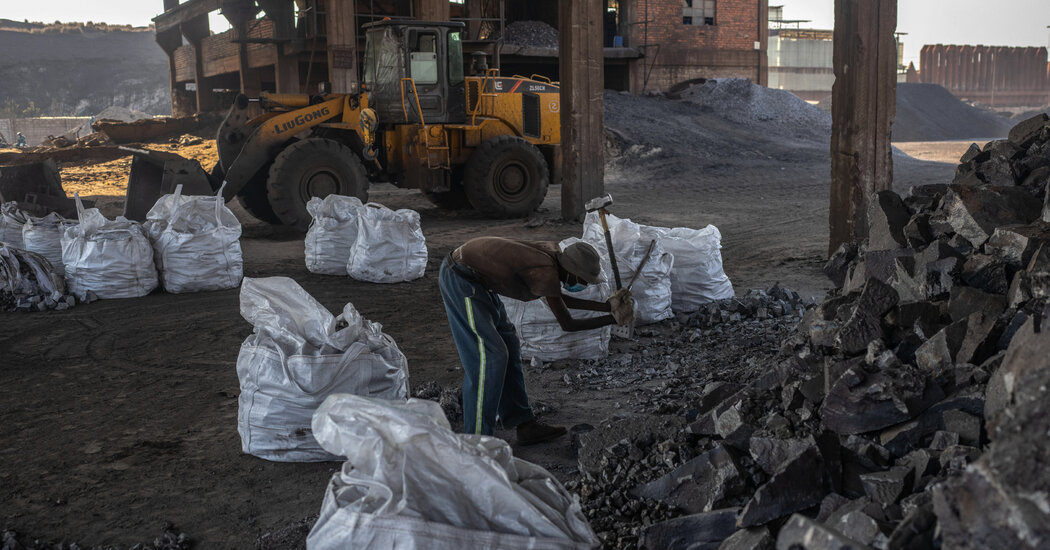
Diving into the nitty-gritty, the proposed health agreement was supposed to be a lifeline for Zambia, pumping billions into tackling diseases that ravaged communities, from malaria to HIV/AIDS. But leaked drafts painted a different picture, revealing clauses that favored American businesses with expanded access to Zambia’s mineral deposits. This wasn’t subtle; it effectively challenged China’s iron grip on mining—the Asian giant, with its massive investments in roads and railways, had dominated Extracting operations for decades, turning Zambia into a hotspot for cobalt used in batteries. Analysts whispered that the Trump administration saw this as a chess move: secure those 318,000 metric tons of annual copper output for U.S. companies, reducing reliance on unpredictable supply chains. Yet, in his emotional farewell, Ambassador Gonzales swore blind that minerals weren’t part of the leverage. “Patently false,” he declared, redirecting fire at Zambia’s corruption. He recounted horror stories—U.S.-funded drugs meant for the poor vanishing into black markets, enriching elites instead of saving lives. Gonzales, a career diplomat appointed during Biden’s term but loyal to Trump’s vision, had shed tears the previous year when announcing a $50 million aid cut. “We’re not funding fraud,” he had said, his voice cracking with frustration. His January essay in a State Department newsletter hammered home the point: traditional aid had failed, enabling corruption by never withholding funds, no matter the misconduct. This ambassador, nearing the end of his Zambia stint, didn’t mince words about his legacy—perhaps that’s what made his speech so explosive, echoing generations of grievances in a region scarred by colonial exploitation.
Zambia’s pushback was swift and unrelenting, a verbal counterpunch that exposed the raw edges of these negotiations. Foreign Minister Haimbe didn’t just defend; he accused, framing the U.S. as a bully exploiting a nation’s desperation. In his detailed response, he highlighted how mineral access had repeatedly blocked progress, turning what was supposed to be mutual aid into a contested prize. “As Mr. Gonzales winds down his tenure,” he wrote, “his etiquette has frayed into hostility.” This wasn’t mere rhetoric; it tapped into historical resentments, where African nations felt maneuvered by superpowers. The State Department tried to soothe the waters with a statement disassociating itself from the ambassador’s claims, pledging “mutual respect and reciprocity.” But Zambian officials dismissed this as hollow, pointing to the draft memos. Reactions in Lusaka ranged from anger to skepticism—a university lecturer compared it to “biting the hand that feeds you,” while local NGOs rallied, pushing for parliamentary scrutiny. Human rights lawyer Linda Kasonde, suing to halt any secret ratification, noted that Gonzales’s corruption charges echoed rumors long whispered in Lusaka’s cafes, but few dared voice them publicly. “He’s forced transparency,” she admitted, though many feared backlash. President Hakainde Hichilema, once celebrated in Washington as a corruption-fighting prisoner-turned-leader, now faced domestic heat for sidelining critics and even postponing an international rights conference under alleged Chinese pressure. Zambia’s pivot to China loomed larger, with experts like David Monyae warning that U.S. belligerence might seal the deal, pushing this “most pro-U.S.” neighbor in the region toward Beijing’s embrace.
Now, let’s pull back and humanize this story—because at its core, this feud isn’t just about dollars and deals; it’s about real people grappling with pride, survival, and the ghosts of inequality. Imagine a Zambian mother, eking out a living in a copper belt town, watching her child battle preventable illnesses while elites flaunt wealth. She might see the U.S. ambassador as a distant critic, but his words could inspire change, holding corrupt officials accountable. On the American side, consider Gonzales himself—a lifelong servant of diplomacy, grappling with Trump’s blunt orders, torn between loyalty and the humanitarian ideals that drew him to the job. His tearful exit highlighted the emotional toll: years spent pleading for better governance, only to watch alliances crumble. This clash mirrors broader global shifts, where isolationism meets resource hunger, and nations like Zambia find themselves squeezed between superpowers. Walking away from the deal might starve health programs, but signing could cede sovereignty over mines that employ thousands and fuel economies. It’s a reminder that foreign aid, no matter how “America First,” can’t erase the human cost of power plays. As Zambia weighs its options, the dispute underscores a painful truth: in an interconnected world, goodwill can’t be forced—it must be earned through true partnership.
Ultimately, the fallout from this standoff could reverberate far beyond Zambia, influencing how other African nations view U.S. overtures. Ghana and Zimbabwe’s rejections signal a growing distrust, while Kenya’s legal tussle stalls progress. Experts predict this might embolden China, whose “no-strings” infrastructure deals have won hearts—and minds—in Lusaka and beyond. For the U.S., the “America First” gambit risks alienating allies, turning potential wins into diplomatic losses. Yet, there’s hope in the unexpected: Gonzales’s bold accusations have sparked Zambian voices demanding accountability, from lawyers like Kasonde to everyday citizens tired of opacity. Hichilema’s administration, under fire for human rights curbs, might be compelled to reform amid the scrutiny. In a twist of fate, what began as a feud could catalyze real dialogue, bridging divides through shared struggles. As 2026 unfolds, keep an eye on Zambia— this small nation, rich in minerals and spirit, might just redefine the future of global aid, proving that even in conflict, humanity can prevail through resilience and resistance. The U.S. might claim victory in cutting waste, but if it loses trust, the real cost will be immeasurable.