





A Nighttime Vigil for Sorority Sisters
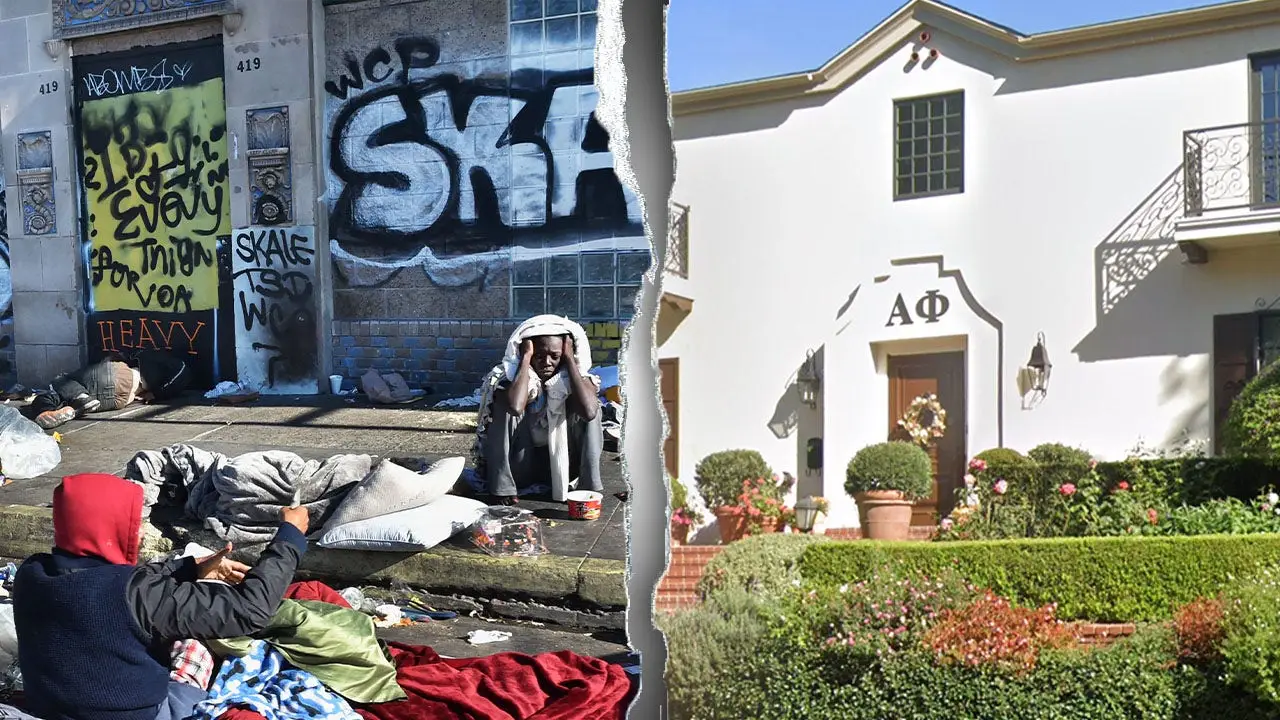
Imagine walking home after a long day of classes at one of America’s most prestigious universities, UCLA, in the heart of bustling Los Angeles. For the young women in the sororities lining Hilgard Avenue, that walk has turned into something of a nightmare. They’ve been dealing with relentless harassment from homeless individuals who roam the blocks around sorority row, making lewd comments, staring intensely, and approaching aggressively. Feeling unsafe and unheard, the UCLA Panhellenic Association—the largest women’s group on campus—took matters into their own hands. They hired private security officers to stand guard during nighttime hours, a desperate measure to protect their members. It’s a stark reality in an otherwise vibrant college town, where these students, full of ambition and youthful energy, are forced to navigate fear just to feel secure in their homes. This isn’t just about discomfort; it’s about reclaiming peace of mind in spaces meant for growth and community. As someone who’s heard stories like this before, it hits home how vulnerable even the strongest spirits can feel when basic safety slips away.
Voices from the Frontlines
Sitting down with students Ani Hovanesian, 20, and Catherine Nichley, 20, paints a vivid picture of the day-to-day terror. Ani shared her frustration about a recent meeting with the University of California Police Department (UCPD). “We had a meeting with UCPD a few weeks ago and it didn’t go well,” she recounts, her voice tinged with exasperation. “They seemed unaware of the issue and not really proactive. They kept turning it back on us like, ‘Why aren’t you calling 911 or reporting any of this?’ And it’s like, ummm, we are and that’s why we’re here.” Imagine the helplessness: these young women are dialing for help, but the system doesn’t seem to move. Catherine echoes this unease, admitting she doesn’t feel “completely safe.” She describes the perpetrators—often the same three homeless men in their 40s to 60s—as more than passing nuisances. They’re fixtures at the bus stop, making lewd remarks and staring in ways that pierce your sense of privacy. It’s not just random; it’s calculated intimidation. As a mother or friend thinking about my own daughters in similar situations, it breaks my heart to hear how this creeps into their daily lives, stealing the joy from what should be formative years of independence and sisterhood.
One name stands out in their stories: “The Hilgard Screamer,” a homeless man who belts out yells at any hour, day or night. Catherine remembers crossing paths with him, his wild outbursts echoing off the urban canyon of Hilgard Avenue. “He randomly yells at all hours,” she says, a shiver in her tone. But it’s not just noise; it’s aggressive enough to make anyone pause. Another sorority member notes how these incidents escalate—homeless individuals sometimes sleeping on the lawns of sorority houses, turning private spaces into zones of unease. And while some might brush this off as city life, for these young women, it’s a constant undercurrent of fear. Picture yourself in their shoes: You’re out for a jog or heading to a late-night study session, and you spot someone staring “into your soul” as Catherine puts it, followed by creepy comments that make you snap back, “What are you looking at?!” It’s dehumanizing, like your personal boundaries are being erased. For myself, as someone who’s wandered big city streets, I can empathize with that creeping dread—the “othering” that comes from unwanted attention, especially in groups where women are targeted. It makes you question every shadow, every encounter, and that’s no way to live, especially in a place as alive with potential as UCLA.
The Police Presence Conundrum
The contrast is striking when you compare sorority row to the nearby fraternity houses. One sister explains that she feels safer walking by the frats, where police presence is noticeably stronger. “I rarely see campus police in the area,” she laments, her disappointment palpable. It’s not that the UCPD is absent entirely—officers do patrolling duties—but the perceived unresponsiveness has bred distrust. These students are reporting incidents, reaching out for meetings, yet their pleas seem to fall on deaf ears. Ani’s experience amplifies this, where the police shifted blame back onto the sororities, implying they weren’t doing enough. In a world where we’re taught to trust authorities, this reversal leaves young women like Ani feeling isolated and unsupported. Humanizing this, think about a young adult navigating adolescence, standing up for herself against a system that’s supposed to protect. It’s empowering yet exhausting, and for those of us with similar stories, it resonates deeply. Why should these women have to defend their right to safety, especially in an institution like UCLA, which prides itself on inclusivity and advancement? The private security hire is a band-aid on a deeper wound, highlighting systemic gaps in how cities and universities handle homelessness intersecting with everyday life.
When the UCPD responds to inquiries, their statements aim to reassure. “UCPD takes seriously the concerns students have raised about harassment and unsettling behavior near Hilgard Avenue,” they tell Fox News Digital. “Students should feel safe where they live, study and walk near campus, and we are listening closely.” They cite “regular and directed patrols,” including “increased evening presence,” and collaboration with student leaders. It’s a step forward, acknowledging the issue without deflection. Yet for the sororities, this comes after years of feeling dismissed. Catherine and Ani, and others like them, deserve more than reactive measures—they need proactive solutions that address root causes. As someone reflecting on this, I appreciate the police’s pivot, but it makes me wonder why it took private guards to light a fire under official action. Universities like UCLA are microcosms of society, and these stories mirror broader conversations about mental health, homelessness, and public safety in urban sprawls like LA. The private security might provide immediate relief, but true peace requires addressing why these repeat offenders roam freely and why cries for help go unanswered. It’s a call for human compassion on all sides, recognizing that the “harassers” are likely struggling too, yet boundaries must be upheld.
Broader Echoes of a Citywide Crisis
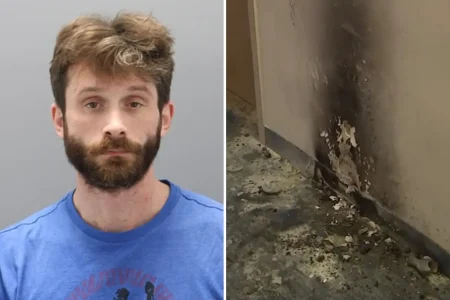
Tying this to headline-grabbing tragedies, like the repeat offender who broke into a sorority to steal underwear and spy on women in showers, amplifies the urgency. Or even the infamous “Obama’s homelessness atrocity” remarks that sparked national debates on shelter solutions. These UCLA incidents aren’t isolated; they’re symptoms of LA’s homelessness epidemic, where people cycle through similar patterns of desperation and confrontation. The “same three homeless men” Catherine describes aren’t anomalies—they’re indicators of a system failing the vulnerable while endangering others. Humanizing this means seeing faces behind the issue: mothers worrying at home, or activists pushing for change. For the sorority sisters, it’s about dignity; for the homeless, it’s about stability. Solutions aren’t one-size-fits-all, but they could include expanded mental health outreach, better shelter access, and integrated policing that prevents harassment without criminalizing poverty. As I ponder this, it reminds me of my own encounters with inequality—how quick we are to judge rather than understand. These young women aren’t just victims; they’re advocates, speaking out to demand better. It’s inspiring to see the next generation channeling frustration into action, hiring security not just for protection, but as a wake-up call to UCLA and the city.
Moving Forward with Empathy and Action
In the end, this saga underscores a need for balance—protecting students while compassionately tackling homelessness. The Panhellenic Association’s move might seem extreme, but it’s a testament to resilience. Students like Ani and Catherine deserve environments where they thrive, without constant looked-over shoulders. For UCPD, doubling down on patrols and listening more could rebuild trust. Broader solutions, like those debated in LA post-Obama’s words, point to community programs that offer housing and support, reducing the very behaviors causing fear. As someone advocating for humanity in tough stories, I urge readers to empathize: These are people—students chasing dreams, individuals lost to circumstance. Let’s champion policies that uplift all, ensuring sorority rows feel safe again. The private guards are a start, but real change comes from hearts and systems working together. In that shared humanity, peace might finally settle on Hilgard Avenue.