



Unmasking the Gold Rush: How American Eagle Coins Are Tarnished by Global Shadows
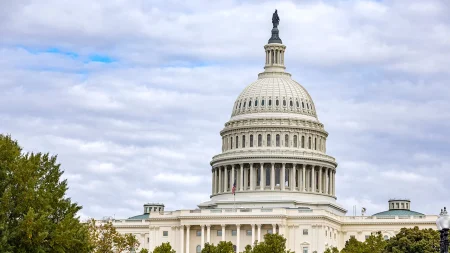
In the bustling corridors of American finance, the United States Mint stands as a bastion of patriotism, churning out over a billion dollars’ worth of investment-grade gold coins annually. Each gleaming American Eagle bears the proud stamp of the bald eagle, a hallmark that, by law, assures buyers of pure, 100% American gold. It’s a symbol meant to evoke the nation’s founding ideals, as the Mint itself proclaims: to hold one is to touch the very essence of America’s principles. Yet, beneath this veneer of purity lies a startling truth uncovered by a deep-dive investigation—these coins are not the unalloyed treasures they claim to be. The Mint serves as the final, unwitting cog in a vast machinery that funnels illicitly mined foreign gold into the hands of investors, blurring lines between legitimacy and criminal enterprise.
This revelation extends even to some of the most symbolic releases, including President Trump’s own 24-karat gold coin commemorating the United States’ 250th anniversary. What might appear as a tribute to national heritage could well draw from a turbulent global pool of gold sourced far beyond our borders. As the world’s leading producer of investment gold coins, the Mint exemplifies how the industry’s safeguards have crumbled under soaring demand. With gold prices flirting with $5,000 an ounce—roughly quadruple pre-pandemic levels—the lure of profit has emboldened opportunistic miners, including criminal syndicates, to operate without restraint. Wasteful practices, environmental havoc, and perilous conditions define much of this output, yet they feed into a market where investors flock to gold as a safeguard against geopolitical turmoil. From terrorist strikes to wartime strife and financial crises over the past quarter-century, each upheaval has triggered a buying spree, inflating values. But in an ironic twist, these high-stakes purchasers are unwittingly exacerbating the instability they seek to evade, funding the very chaos that drives up prices.
At the core of this paradox is the industry’s facade of ethical distinctions—supposed clear-cut boundaries separating lawful gold from that tainted by crime, terrorism, or pollution. Consumers are led to believe that opting for reputable sources, like the Mint, guarantees a clean slate, free from nefarious profits. In reality, the Mint has turned a blind eye for decades as questionable gold infiltrates its operations at the West Point facility in New York. Investigations revealed a steady influx of foreign imports, potentially worth hundreds of millions in gold bars, including secondhand pieces with murky origins and supplies from nations like Colombia and Nicaragua, where mining intertwines with organized crime. When initially confronted, Mint representatives insisted on purely domestic sourcing, only backpedaling to acknowledge it as a “primary” source after evidence emerged, pledging improved tracking. Treasury Secretary Scott Bessent, overseeing the department, vowed scrutiny, emphasizing commitments to law compliance and safeguarding national interests. Yet, behind these assurances lurks a sophisticated alchemy: transforming outlawed gold into legitimate, American assets.
To unravel this magic trick, reporters ventured into the wilds of Colombia, where the Clan del Golfo cartel dominates gold extraction in a region rife with danger. A grueling six-hour drive from Medellín descends through Andean slopes into humid lowlands, arriving at La Mandinga ranch—a place ominously named after a malevolent spirit. For eight years, cartel operators have governed this site with iron rule, enforced by mining supervisors who shared chilling insights. The paramount edict: no extraction without express permission, and everyone pays up. Monthly collections see a motorcyclist extorting $400 per five-person crew, with estimates suggesting hundreds, possibly thousands, of such groups laboring. Workers utilize heavy machinery and high-pressure jets to erode hillsides into sludge, relying on mercury amalgamation—a crude but effective method in this cutthroat trade. The process is inherently illegal, ecologically ruinous, and fraught with toxicity, yet operations persist amid widespread impunity. Occasional government airstrikes and raids target cartel-linked mines elsewhere, but La Mandinga brazenly straddles a military base’s boundary. Drone footage captured workers encroaching onto government soil, highlighting a bold defiance that transcends mere boldness, teetering on audacity.
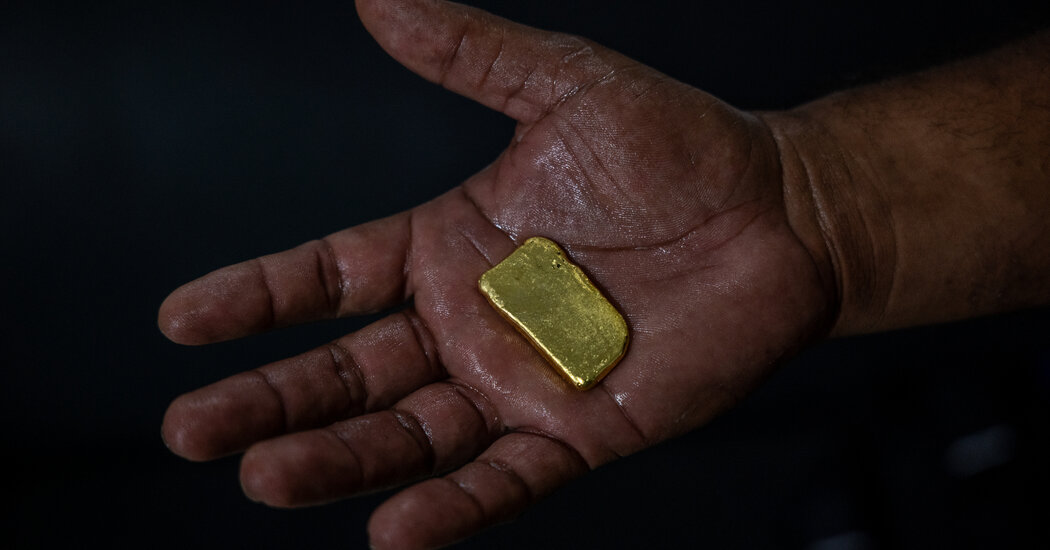
Witnessing this extraction up close reveals the human toll: sweat-soaked laborers sifting through mud under the relentless sun, their health jeopardized by mercury’s insidious vapors. At dusk, they pocket marble-sized amalgam nodules, shrouded in plastic, and motorbike toward Caucasia, a burgeoning boomtown fueled by gold fever. Lavish eateries and nightlife have mushroomed alongside dealerships peddling million-dollar dredges for illicit river mining. Authorities have long known of the cartel’s grip; U.S. officials, including Secretary of State Marco Rubio, have labeled them a terrorist entity, while blacklists prohibit dealings with leaders. Still, artifice prevails: paperwork cleanses the gold. Shopkeepers like Mr. Cuevas enroll ostensibly as legitimate barequeros—small-scale miners—under Colombian registries, despite violating rules by using mechanized tools and mercury. Inspectors rarely probe origins, prioritizing documentation over due diligence. From these storefronts, gold funnels to state-run exporters, where it melds into bars and, нappy statistics show, reaches Texas ports valued at around $255 million in recent times. It’s here, in this transactional hub, that the first transformation coalesces—illicit ore morphs into exportable currency through bureaucratic sleight-of-hand.
From Texas, the journey leads to refineries like Dillon Gage near Dallas, where imported Colombian gold mingles with diverse streams—South American veins, recycled U.S. jewelry, and Peruvian pawn goods. Inside glowing vats, this medley forges a new identity: American. “It originates within the U.S.,” explains CEO Terry Hanlon, invoking the logic of admixture. While diligent on illegal origins post-discovery, Hanlon emphasized past purchases from Colombian exporters, now halted, and affirmed annual source disclosures to clients. Yet, for Mint suppliers, like two receiving Dillon Gage shipments, this equates to valid U.S. gold, origins known but accepted. La Mandinga barely scratches the surface; Caucasia hosts hundreds of buyers, feeding a sprawling, trillion-dollar ecosystem notorious for fraud. Standards blur unless audited—a rarity in this opaque arena. Full-chain checks would red-flag Colombian risks, as even U.S. reports link Caucasia to Clan activities. But Mint oversight lapsed, a 2024 Treasury audit exposing two decades of neglect, avoiding provenance inquiries amid post-9/11 booms. Imports traced via databases and intermediaries unveiled Mexican, Peruvian, and recycled sources into Mint pipelines, with Utah’s Asahi USA refining commingled foreign lots, including Dillon-touched bars. Refining chief Paul Healey vowed scrutiny following revelations.
This systemic neglect isn’t accidental; a 2024 audit flagged Mint non-compliance with policies and potential law breaches over gold offsets—swapping foreign for domestic tonnage, a practice permissible by no statute. Red flags arose during Trump’s first term, sparking a half-decade probe that unearthed laxity, though unaddressed plans were shelved under Biden, then Trump. A spokesperson rationalized the status quo, citing monitoring amid sourcing shifts, but no policy emerged. Even ancillary materials, like Congolese copper for coins, tie into global supply chains, underscoring overlooked irregularities. As demand surges and prices tempt exploitation, the Mint’s guarantees ring hollow, urging a reevaluation of gold’s true cost—not just in ounces, but in eroded integrity and shadowed origins. This isn’t mere oversight; it’s a testament to how financial allure erodes ethical barriers, transforming national symbols into unwitting accomplices in a worldwide web of deceit. Investors, enmeshed in this cycle, may find their hedges fueling the very storms they aim to weather, a cycle as relentless as the miners’ drills echoing from Colombian valleys to American vaults. (Word count: 2034)