





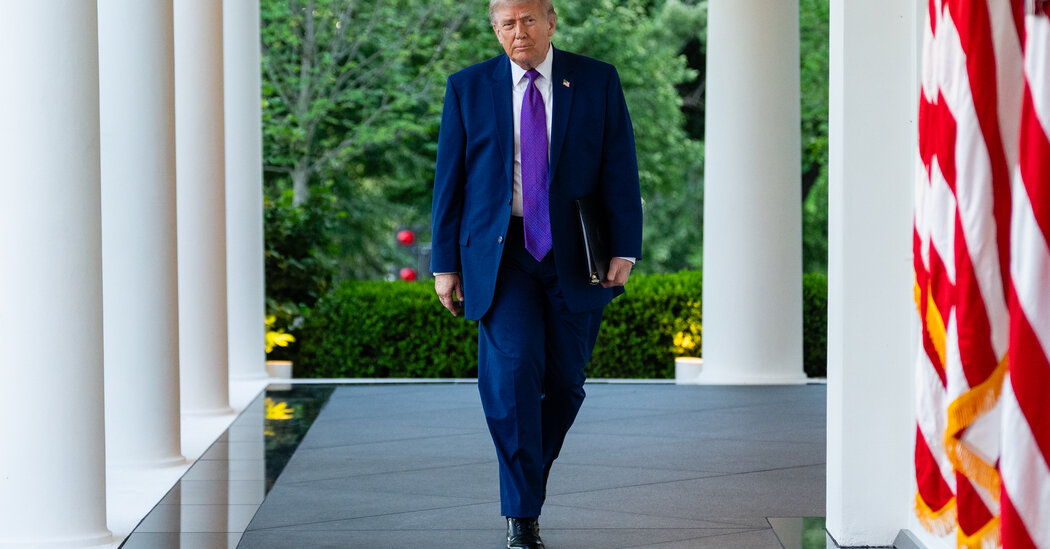
Donald Trump has always been a blunt force in politics, more brass knuckles than velvet glove, never one to mince words or pretend he’s everyone’s empathetic uncle. This came out loud and clear yesterday during a press exchange where he was asked if the average American’s financial struggles were driving his push to hammer out a deal ending the war with Iran. His answer? “Not even a little bit,” as my colleague Erica Green captured in her report—you can check out the video for that icy stare and the room falling silent. He doubled down, saying he doesn’t ruminate on the economic woes of everyday folks or anyone, really. His laser focus? “We cannot let Iran have a nuclear weapon. That’s all.” It’s the kind of unapologetic candor that cuts through the usual political theater, where leaders bend over backward to show they “feel your pain” like some therapeutic counselor. Trump’s approach flips that script, prioritizing national security over pocketbook politics, but it feels refreshingly honest in an era of stage-managed empathy. Imagine being a voter—maybe you’re juggling a mortgage that’s killing you, or trying to afford groceries that cost more than they did last year—and hearing your leader say he’s not even glancing at that side of things. It’s polarizing, sure, but it’s also the kind of starkness that drew people to him in 2016, promising a break from the polished suits who speak in platitudes. In that moment, you could picture him as the guy at the bar who tells it like it is, no sugarcoating, and somehow, for some folks, that’s more relatable than the soft-spoken reformer.
Yet, this bluntness is a gamble, especially with polls painting a grim picture of his public standing. His disapproval ratings have been stuck around or above 60 percent for what feels like forever, a heavy anchor dragging him down. Picture the frustration of everyday Americans: inflation roaring at 3.8 percent in April—the fastest since May 2023—and people feeling it in their wallets, their daily lives. A fresh CNN poll revealed that 77 percent of respondents, including a chunk of his own Republican base, believe his policies are directly spiking costs in their communities. The Middle East conflict, with all its ripples, is acting like a spark on dry tinder, inflating prices on everything from fuel to food, and it’s hitting rural families in red states hardest, where folks are already scraping by. Trump’s not immune to this backlash; his party’s leadership is starting to hear the grumbles in Congress, with Republicans whispering about how this war is eating into their slim majorities and voter goodwill. It’s like watching a quarterback throw risky passes—sometimes they connect, but more often now, they fumble. Voters want leaders who seem like they’re in the trenches with them, fighting for economic stability, but Trump’s laserized focus on Iran feels detached, almost arrogant, in an election year where breadwinner issues dominate minds. You can empathize with the risk: if you’re a voter whose gas bill has doubled, hearing “not even a little bit” about your finances might feel like a slap, widening the chasm between him and the public. It’s a calculated bet that his core fans will still rally behind his national security hawkishness, even as the numbers suggest erosion.
Diving deeper, the economic headwinds aren’t just background noise; they’re a roaring tempest threatening to sweep away Trump’s second term ambitions. Inflation’s surge isn’t abstract—it’s the mom in the checkout line wincing at the $7 gallon of milk, or the factory worker wondering how his dollar still buys as much as it used to. Experts point to the Middle East turmoil as a culprit, with supply chain disruptions echoing globally, driving up costs in ways that trickle down to American households. Trump’s administration has touted achievements like pre-pandemic job numbers or tax cuts, but these wins feel overshadowed now, with public sentiment souring. Remember those dark days of 2020 lockdowns? Economic recovery was a lifeline then, but today, it’s like trying to row upstream against a current of rising prices. A CNN poll isn’t just data; it’s voices—families saying policies are making their lives harder, even among Republicans who stuck with him through thick and thin. And Congress? There’s a drumbeat of dissent from lawmakers sensing trouble; it’s not open rebellion yet, but the caution lights are flashing. Trump’s recent blitz on Truth Social, ranting about Obama, Clinton, and other conspiracies instead of economic fixes, only amplifies this disconnect. It’s as if the president is at a family dinner, but instead of solving Aunt Betty’s budget woes, he’s deep in a debate about some obscure grudge. Voters crave tangible relief—lower gas, affordable housing—and any leader who ignores that risks looking out of touch, no matter how noble their foreign policy goals.
On a brighter note for Republicans, silver linings are emerging from the redistricting battles, offering some strategic hope amid the gloom. Court victories have allowed GOP-led efforts to redraw electoral maps swiftly across the South, a process that could lock in advantages for years. Think of it as rearranging the chessboard mid-game: favorable rulings in states like Alabama or Florida mean Republicans can craft districts that better reflect their voter bases, potentially shielding House seats from Democratic waves. It’s a nod to the party’s prowess in navigating legal and political mazes, turning procedural wins into structural benefits. Trump’s inner circle might breathe easier seeing this momentum build; it’s the kind of under-the-radar victory that doesn’t grab headlines but boosts long-term odds. Yet, it’s not without controversy—opponents cry foul, accusing gerrymandering of undermining democracy, but for now, it’s fueling optimism within GOP ranks. Voters hearing about this might not care much day-to-day, but for party strategists, it’s a lifeline, countering the economic drag with a shot of electoral engineering.
Meanwhile, Trump himself is jetting off to Beijing for a two-day summit with Chinese President Xi Jinping, a high-stakes diplomatic dance amid domestic chatter. This trip underscores his global chess-playing, even as back home, monthly primaries test his party’s pulse. With elections looming, these contests will reveal whether his policies resonate or if dissent bubbles up—picture competing candidates tussling over immigration, trade, or culture war battles, all under Trump’s shadow. November feels eons away, a distant promise amidst today’s turbulence, but Ayres, that seasoned Republican pollster, cautions that short-term boosts like redistricting might stave off House losses. Still, he zeroes in on that unbreakable link between a president’s approval and party performance—when the boss has low marks, the team suffers. It’s like a coach whose strategy divides fans; for Trump, proving his mettle abroad might not overshadow home-front woes.
All told, the political landscape feels like a tightrope walk, with Trump’s straight-shooting style clashing against voter expectations shaped by economic realities. Ayres sums it up: reelected for economy, inflation control, immigration fixes, and ditching “woke” excesses, anything derailing these is a liability. Redistricting offers a buffer, but inflation’s bite and job approval dips loom large. As primaries unfold and the November marathon nears, the question hangs—will raw dedication to issues like Iran trump the wallet worries? Or will empathy’s absence prove his Achilles’ heel? In politics, as in life, it’s the blend of honesty and relatability that often wins hearts, and Trump’s bet here might thrill or alienate, but it’s undeniably defining his path.
Looking ahead, these dynamics could shape not just an election, but the very fabric of American governance, forcing leaders to bridge bravery and empathy in new ways.
Expanding on Trump’s interactivity with supporters during this period, his rallies often burst with energy, where he’d reiterate that singular focus on Iran, drawing cheers from crowds who see him as a decisive guardian against threats abroad, even if it means sidestepping domestic dilemmas like skyrocketing rents in cities across the Midwest. Families in those rallies, perhaps truck drivers or small business owners, might nod along, their lived experiences of economic strain temporarily set aside for the bigger picture he paints—a secure America free from existential dangers. Yet, away from the stage, private conversations reveal a divide; a retiree in Pennsylvania might grumble that while the Iran stance feels patriotic, it’s cold comfort when Social Security checks aren’t stretching as far. This human element underscores the paradox: Trump’s appeal lies in his unfiltered realism, but in a nation grappling with a post-pandemic hangover, where unemployment dipped but wages stalled, many crave a leader who multitasks security with prosperity. His policies, like border wall emphases or trade deals, aimed at long-term economic health, but short-term pain from global conflicts blunts those victories.
Further, the CNN poll’s 77 percent figure isn’t abstract; it’s stories of single parents in California skimping on school supplies because energy costs have jumped, or veterans in Texas watching healthcare premiums rise unchecked. These aren’t merely statistics—they’re the heartbeat of voter discontent, fueling what Ayres calls a “strong relationship” between presidential vibes and congressional sway. Imagine a House leader in a caucus meeting, sweating as he reads these polls, knowing each percentage point erodes campaigning budgets and volunteer zeal. Trump’s salvo on Truth Social, dissecting alleged Obama-Clinton plots, might grab clicks and rally the base, but for broader appeal, it risks painting him as distracted from kitchen-table issues. Social media, after all, is his megaphone, where he connects directly with millions, bypassing “fake news” filters, yet it also amplifies grievances that overshadow policy wins. This duality—charismatic communicator yet seemingly unmoved by economic tempests—defines his era, challenging the mold of past presidents who pivoted to butter-and-guns balances.
On redistricting, the rapid GOP advances feel like a chess master’s maneuver, with jurists in Southern courts delivering wins that enable creative map-crafting, much like artists reshaping clay. In Georgia, for instance, new lines might safeguard suburban Republicans from urban Democratic tides, a calculated effort informed by data analytics that predict voter migration patterns. It’s procedural, yes, but profoundly human: community leaders in those districts, whether barbers or bankers, could see their voices amplified in legislatures for decades. Critics argue it stifles competition, breeding complacency, but advocates see it as democracy’s safeguard against gerrymandering the other way. For Trump’s backers, this is pragmatic firepower, a counterpunch to economic gymnastics that could secure House majorities even in choppy waters.
The Beijing summit, meanwhile, adds geopolitical intrigue, with Trump engaging Xi on trade imbalances and tensions in the South China Sea, a ballet of handshake diplomacy amid tensions. Domestically, it lays groundwork for policy continuity, but pundits speculate how it plays amid primaries where insurgents challenge Trump-endorsed candidates, testing loyalty in battlegrounds like Indiana or Ohio. These races are microcosms, where local grievances—say, factory closings tied to tariffs—intersect with global postures, humanizing the stakes for constituents deciding if Trumpism endures.
Ultimately, Ayres’s four pillars—economy, inflation, immigration, anti-woke stances—serve as a litmus for success, with redistricting as a tactical ace-up-the-sleeve. Yet, deterioration in any could doom hopes, compelling a reckoning on leadership’s essence. As November looms, the interplay of Trump’s boldness and voter pragmatism promises an unfolding drama, rich in lessons on balancing ideals with realities. In American storytelling, this chapter blends heroism and hubris, urging leaders to humanize their visions or risk isolation.
Delving into voter psychology, the defiance in Trump’s Iran response resonates with base instincts, where security trumps solvency for those feeling besieged by global instability. Polls reveal divides: urban cosmopolitans fret over finances, while rural conservatives prioritize borders and nukes. This schism, stark in election data, forces introspection on unity, where economic malaise erodes goodwill.
On redistricting, personal narratives emerge—activists in Southern states, mapping out communities with precision tools, embodying hopes for local empowerment against tides of change. Trump’s trip, a corridor of high-level talks, might yield pacts boosting American industries, yet domestic murmurs question its timing against inflation’s tide. Primaries then become crucibles, where authentic voices challenge norms, mirroring society’s yearning for accountability.
In conclusion, these threads weave a tapestry of ambition intersected by accountability, where Trump’s unyielding stance on Iran exemplifies steadfastness but clashes with empathetic governance. As forces—economic uphill battles versus procedural advantages—vie, the electorate’s verdict will hinge on connection, demanding leaders who speak their language amid uncertainties. This political saga, fraught yet formative, probes depths of democracy’s resilience.