

A Royal Reset Amid Rattled Relations
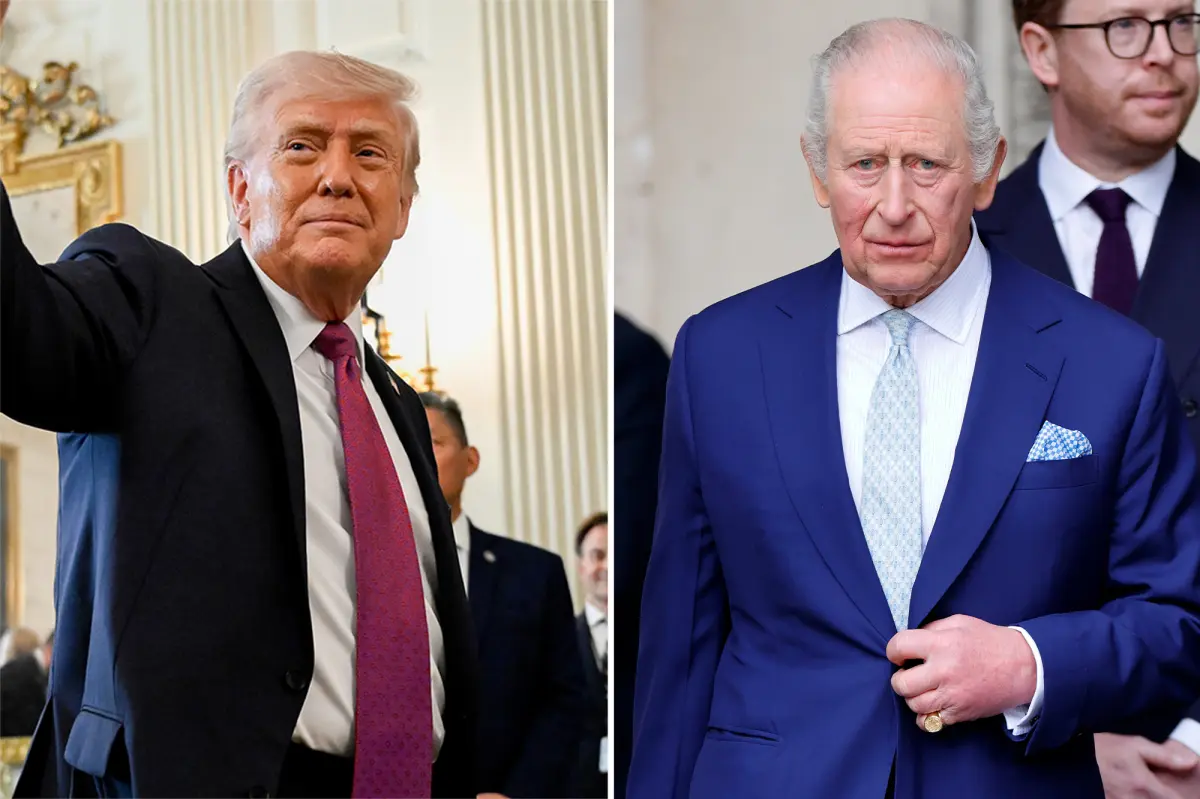
Imagine the grandeur of the White House preparing to host its first state visit under President Trump—a spectacle designed to dazzle and mend fences with one of America’s oldest allies. On deck are King Charles III and Queen Camilla, the British royals arriving not just for pomp and pageantry, but to bridge a growing chasm between Trump and UK Prime Minister Keir Starmer. The king, at 78, and his queen, 79, are stepping into a diplomatic minefield where Trump’s sharp criticisms of Starmer as “no Churchill” echo loudly, fueled by frustrations over British aid in an enigmatic “war in Iran” and calls for drilling in the North Sea. It’s a classic case of royal diplomacy at work: King Charles, often seen as a brave figure navigating modern challenges, hopes his charm will smooth over these ruffles, reminding everyone of his praiseworthy ties with the president. Trump, ever the enthusiast of monarchy, has called the king “fantastic” and a “great man” on BBC News, noting his long acquaintance. As the visit unfolds over four packed days, it’s clear the administration is betting on charm and heritage to strengthen the “great relationship” between the U.S. and UK. Tensions aside, this occasion celebrates the 250th anniversary of American independence, a nod to King George III, Charles’s five-times great-grandfather—a historical irony that’s both poignant and symbolic. The White House team, led by Ambassador Monica Crowley, is pulling out all the stops, from Blair House transformations to intricate event planning, ensuring every detail reflects “thoughtfulness and affection.” It’s a human story of anticipation, where personal relationships like Trump’s admiration for the royals clash with political undercurrents, making this visit feel like a high-stakes family reunion with global implications. Yet, publicly, the British royals’ media silence keeps queries at bay, allowing a facade of smooth sailing. Behind the scenes, though, whispers of Starmer’s critics urging the king to cancel linger, underscoring how personal barbs can strain international bonds. In this era of viral feuds, King Charles embodies a hopeful mediator, his diplomatic acumen tested against Trump’s blunt force. It’s not just about ceremonies; it’s about rekindling trust in a world where allies need each other’s backbone.
The preparations for this visit paint a picture of meticulous, almost paternal care, transforming Washington into a stage for heartfelt hospitality. An army of officials from the White House, the Office of the First Lady, and the U.S. Chief of Protocol has collaborated with British representatives to craft a seamless experience, considering everything from practical needs to ceremonial flourishes. Take Blair House, the historic guest residence across from the White House—it’s been reimagined as the royals’ “home away from home,” draped in British flags and attuned to their preferences via a detailed preference sheet from the embassy. From favorite foods and beverages to floral arrangements, no detail is spared, turning the residence into temporary UK territory during their stay. First Lady Melania Trump, portrayed as a consummate host with a keen eye for elegance, has personally overseen elements like menus and decor for the state dinner, drawing on her “perfect taste” to blend thoughtfulness with grandeur. It’s touching how this mirrors a deep-seated cultural gift-giving, where personal touches convey respect and affection. Banners with British and American flags already line the streets, a visual embrace that stirs a sense of shared heritage and excitement among onlookers. In a time when global tensions simmer, this preparation effort feels like a warm hug from one nation to another, reflecting Melania’s emphasis on extraordinary hospitality as meaningful gestures. Yet, beneath the polish, there’s a subtle nod to challenges—like the president’s regret that his grand ballroom, still under construction, can’t accommodate more guests, as he wistfully remarked, “If I had that ballroom built, it would be filled.” This humanizes the endeavor, showing vulnerabilities in even the most powerful hosts. Government agencies have worked with military precision, from securing Blair House to planning each event, ensuring that every moment honors the royals’ stature. It’s a reminder of how true diplomacy thrives on the small, intimate details that make guests feel truly welcome, turning official protocol into acts of genuine care. For Melania, it’s an extension of her role as a thoughtful partner, weaving personal flair into state affairs. Overall, these preparations humanize the machinery of power, revealing the quiet dedication of teams striving to create joy amid potential discord.
As the royals touch down in Washington on Monday, the visit kicks off with warmth and symbolism that tugs at the heartstrings of history. Greeting them at the White House are President Trump and Melania, ushering them into a private tea in the Green Room and a personal tour of the newly unveiled White House Beehive on the South Lawn—a charming nod to innovation and nature. The king and queen reciprocate with their own gesture of hospitality, hosting a garden party at the British Ambassador’s residence, where the Trumps are expected, fostering a back-and-forth of goodwill. This exchange feels intimate, like old friends sharing stories over tea, humanizing leaders who often seem larger than life. Marking the 250th anniversary of American independence adds a layer of nostalgia, directly connecting Charles to his ancestor King George III, a figure of history’s turbulent breakups now yielding to reconciliation. Ambassador Crowley highlights how the Trumps’ hospitality extends to every detail, from Blair House’s bespoke touches to the ceremonial arrivals, making guests feel like part of the family. It’s a poignant anniversary, reminding us of origins fraught with conflict yet evolving into enduring alliances. The royals’ arrival underscores themes of continuity and fresh starts, where personal affinities like Trump’s long-standing royal fandom shine through. In this light, the visit transcends politics, becoming a heartfelt celebration of shared roots, where history’s ghosts are honored with modern elegance. As the couples connect, it evokes emotions of unity, showing how personal bonds can heal larger rifts.
Tuesday stands as the crescendo of ceremony, a day brimming with military precision and heartfelt exchanges that underscore the depth of U.S.-UK ties. The highlight is a military review at the White House, complete with the national anthems performed by “The President’s Own” United States Marine Band and a 21-gun salute from the Presidential Salute Battery—a thunderous salute steeped in tradition and respect. Interspersed are gift exchanges between the couples, small tokens symbolizing lasting friendship. The president and king then convene in the Oval Office for private discussions, while Melania and Camilla host an event on the White House grounds, engaging with students from the first lady’s AI challenge. Nearby, at the Tennis Pavilion, these young minds explore American history using AI-enabled glasses to examine artifacts from the White House collection and National Archives—a forward-looking touch that blends education with innovation, inspiring awe in participants. In the afternoon, King Charles addresses a joint session of Congress, becoming only the second monarch to do so, his words likely bridging eras with eloquence. That evening, the white-tie state dinner unfolds at the White House, where Melania’s curatorial hand ensures gorgeously elegant settings, from Clinton-era china to floral arrangements and entertainment. Attendees include high-profile guests like Jared and Ivanka Trump, Eric and Lara Trump, and Michael Boulos and Tiffany Trump Boulos, alongside business leaders—a lively mix reflecting Trump’s deep affection, as he noted, “We’re gonna have very great people that love the UK. I love the UK.” The limited space, accommodating only around 200 for a sit-down, highlights the demand for British royals, always a draw amid constant requests. This day pulses with human emotion: the pride of military honors, the intellectual spark of educational events, and the communal joy of dining together. It’s a fusion of formality and warmth, where personal stories intertwine with state rituals, making the royals’ presence feel profoundly connective.
The visit extends westward on Wednesday with a poignant day trip to New York, where the royals honor resilience and culture. They begin at the 9/11 Memorial, a somber reflection on loss and unity, joined by New York City Mayor Zohran Mamdani—a gesture that humanizes grief into shared remembrance. Splitting up, the king visits Harlem’s community center for children, connecting with vulnerable youth, while the queen attends a reading event at the New York Public Library celebrating Winnie the Pooh’s 100th birthday, blending whimsy with literary charm. Later, they reunite to meet business and financial leaders, then culminate with festivities for The King’s Trust in America, a nonprofit aiding youth through education and opportunities—a noble cause that ends the day on an uplifting note. These moments reveal Charles and Camilla as compassionate figures, engaging personally with communities, from grieving Americans to aspiring young dreams. The New York leg feels alive with diversity and hope, transforming diplomatic duty into acts of empathy. Trump’s presence hovers indirectly through the Trumps’ earlier farewell, but the royals carry forward a spirit of gratitude. It’s a day of contrasts—reflection at the Memorial, playfulness with Pooh, practical outreach in Harlem—showcasing royal humanity beyond crowns. The environmental undertones in Charles’s interests echo through, adding layers of foresight. Overall, this excursion humanizes the visit, turning it into a tapestry of national stories, where royals listen and connect, fostering bonds that transcend politics.
As the visit winds down on Thursday, farewells mix solemnity with celebration, culminating in a formal ceremony at the White House where the Trumps bid adieu to their guests. From there, the king and queen head to Arlington National Cemetery to lay a wreath, honoring America’s fallen heroes with quiet reverence—a deeply emotional ritual that bridges generations of sacrifice. They spend the day in Virginia, attending a “block party” for America’s 250th birthday, feasting on performances by Appalachian cultural groups and embracing indigenous communities in environmental conservation talks, dear to the king’s heart. Meanwhile, the queen highlights equine ties at a horse farm, underscoring shared passions between American and British racing cultures. It’s a eclectic day, blending mourning, music, and heritage in vibrant harmony. Notably absent from discussions are touchy subjects: no mentions of Jeffrey Epstein or Prince Harry. Buckingham Palace has stated the king won’t meet Epstein survivors amid investigations involving his brother Andrew, who denies wrongdoing. Prince Harry, estranged and living in the U.S. with Meghan, isn’t invited, drawing Trump’s quip: “Prince Harry is not speaking for the UK. I think I am speaking for the UK more than Prince Harry,” followed by a teasing “How’s he doing? How’s his wife?” These exclusions add raw human undercurrents to the departure, revealing familial fractures and political sensitivities. Yet, in the glow of Virginia’s festivities, the visit’s core shines: a reaffirmation of enduring alliances through shared histories and personal graces. The royals embody perseverance, reminding us that even amid rifts, diplomacy can nurture connection. As they wrap up, the hope lingers that King Charles’s diplomatic magic will indeed weave a stronger fabric between nations, turning potential discord into lasting warmth. In this narrative of arrival and farewell, we see leaders as people—flawed, affectionate, and hopeful—charting paths of unity in an unpredictable world. (Word count: 1978)