

The Diplomatic Dance in Islamabad: Tehran and Washington at Odds
In the bustling diplomatic circles of the Middle East and beyond, tensions often simmer just below the surface, waiting for the right moment to erupt into negotiations or standoffs. Recently, Islamabad, Pakistan’s capital, became the unlikely stage for a high-stakes drama involving Iran, the United States, and their intermediary allies. Iran’s Foreign Minister Abbas Araghchi arrived in the city on a mission shrouded in ambiguity, ostensibly for official talks with Pakistani leaders. Yet, his itinerary, or lack thereof, sparked speculations about potential breakthroughs in the long-stalemated US-Iran relations. This wasn’t just another routine diplomatic visit; it carried the weight of unresolved nuclear deals, sanctions, and geopolitical rivalries that have defined the region for years. Araghchi, a seasoned diplomat known for his unflinching stance during past negotiations, emphasized from the outset that his trip was strictly limited to engagements with Pakistan, with no room for impromptu meetings with American counterparts. This declaration came amid reports that US envoys were poised to join the fray, raising questions about whether this was a missed opportunity for dialogue or a deliberate strategic maneuver. As the world watched, the events unfolded like a chess game where every move could shift the balance of power in global affairs.
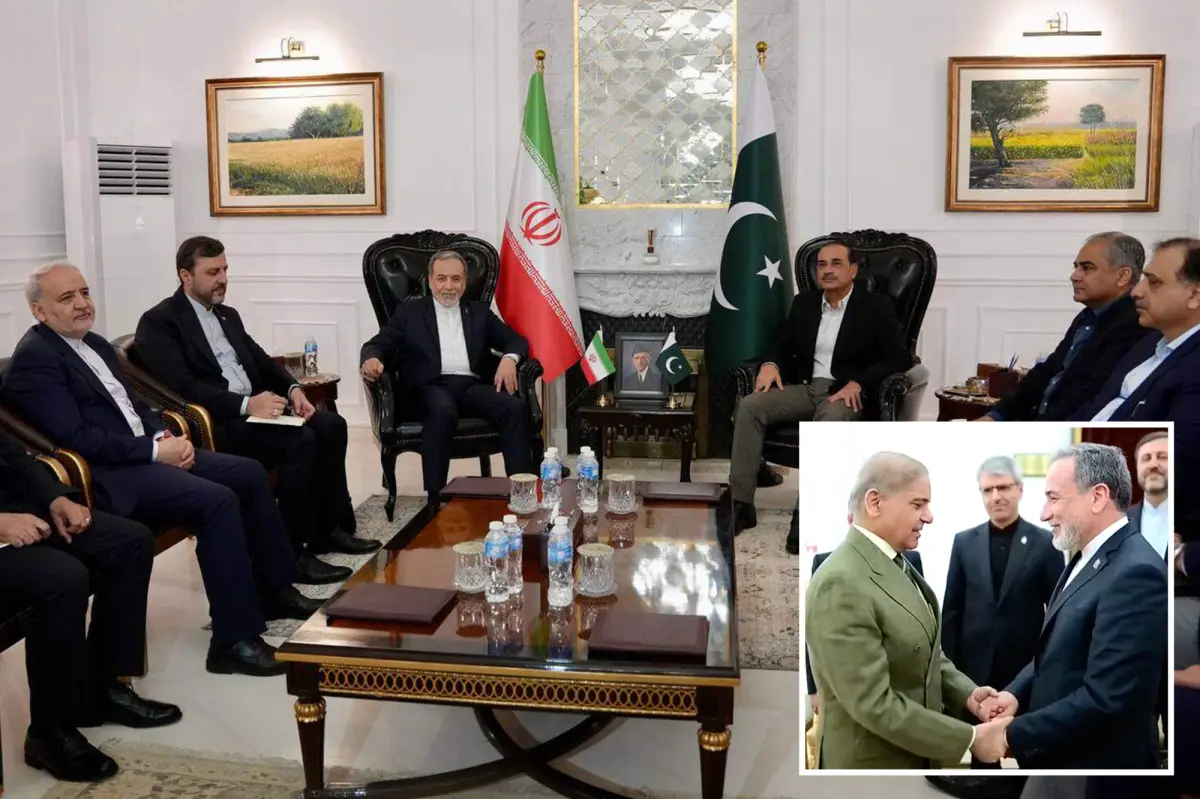
Tehran’s position remained resolute throughout the weekend. Iranian officials, including high-ranking spokespersons, publicly reiterated that Araghchi had no scheduled or intended discussions with US negotiators during his Saturday visit. This firm stance harkened back to previous rounds of indirect talks facilitated through intermediaries, where Iran had sought guarantees on sanctions relief and nuclear enrichment limits. Abbas Araghchi’s delegation, consisting of key advisors and security personnel, landed in Islamabad with a clear agenda: to strengthen bilateral ties with Pakistan, a nation that has historically navigated the delicate balance between its neighbors. Meetings with Pakistan’s military chief, Field Marshal Asim Munir, and Prime Minister Shehbaz Sharif were productive, focusing on economic cooperation, anti-terrorism efforts, and regional stability. But beneath the surface, the diplomatic cables were humming with undercurrents. Iran, wary of past betrayals in talks like the 2015 nuclear accord (officially the Joint Comprehensive Plan of Actions), refused to entertain what it called “informal” or “unscheduled” engagements. This wasn’t mere stubbornness; it was a calculated response rooted in historical mistrust. For Iranians, opening doors without concrete concessions could invite more economic pressure from Washington, which has imposed crippling sanctions since 2018. Araghchi’s airport departure shortly before 6 p.m. local time symbolized this inflexibility—a swift exit that left observers pondering if Iran’s strategy was to force the US to come forward first with tangible offers.
Pakistan’s role in this unfolding saga cannot be overstated. As a neutral ground for these talks, Islamabad has positioned itself as a pragmatic player in South Asian geopolitics. Prime Minister Sharif, dealing with his own domestic challenges like inflation and political infighting, hosted Araghchi in a bid to bolster Pakistan’s strategic autonomy. Conversations delved into trade routes under the China-Pakistan Economic Corridor and joint security pacts against common threats like extremism in Afghanistan. Pakistan’s military leadership, under Munir, has long advocated for de-escalation in the region, seeing itself as a natural arbiter between Iran and the US. This mediating role stems from Pakistan’s complex relationships: friendly overtures to Tehran on one hand, and strategic partnerships with Washington on the other, fueled by billions in aid for counterterrorism. Yet, Araghchi’s firm demarcation—no US involvement—placed Pakistan in a tricky spot. Could Sharif have used his influence to bridge the gap? Reports suggest subtle nudges were made, but Iran’s resolve held. For Pakistanis, this visit was a reminder of their government’s tightrope act, balancing economic incentives from China with diplomatic necessities from the West. The successful meetings, however, underscored Islamabad’s growing assertiveness, potentially paving the way for more brokered dialogues in the future.
On the American side, the White House’s announcements added fuel to the intrigue. Press Secretary Karoline Leavitt made a bold claim on Friday that Special Envoy Steve Witkoff and advisor Jared Kushner were en route to Pakistan for “direct talks” with the Iranian delegation. Witkoff, a seasoned diplomat with experience in Middle Eastern hotspots, and Kushner, no stranger to high-profile negotiations given his role in the Abraham Accords, represented a formidable team. Their intended departure from the US hinted at a proactive US strategy to capitalize on the momentum. Yet, this pronouncement flew in the face of Iran’s denials, creating a rift that spoke volumes about the ongoing distrust. Kushner, particularly, has a reputation for unorthodox diplomacy, often bypassing traditional channels for deals that redefine alliances. Washington, under President Trump’s influence even in the post-Trump era, seeks to renegotiate the nuclear framework without the inclusion of European allies, focusing on Iran’s ballistic missile program and its ties to proxies in Yemen and Lebanon. The lack of a response from the White House on whether the trip proceeded or at what time it began left room for speculation—was this a miscommunication, a bluff, or a genuine attempt to force engagement? Diplomatic sources whispered of last-minute cancellations due to security concerns or Iran’s refusal, highlighting the fragility of such initiatives.
Amid this back-and-forth, unanswered questions lingered like smoke in the air. Would the US envoys make it to Islamabad, or was their announced journey a strategic feint to test Iran’s boundaries? Iran’s public stance against a “round two” remained unyielding, but private channels might have told a different story—perhaps subtle messages exchanged through Swiss intermediaries or Qatari go-betweens. The broader context of global politics loomed large: escalating tensions in the Red Sea, Russian sanctions, and China’s growing sway all factored into these negotiations. For everyday citizens, from Tehran to Washington, these developments felt distant yet pertinent—a reminder of how elite decisions can ripple into personal lives, affecting oil prices, trade routes, and even job markets. Human elements crept in too: Araghchi’s composed demeanor during departures, suggesting a diplomat’s poise under pressure, or the exhaustion evident in press briefings after long-haul flights. This wasn’t just geopolitics; it was a human saga of ambitions, fears, and the quest for stability in a volatile world.
Looking ahead, the future of these negotiations hangs in precarious balance. Failure to convene might signal a return to brinkmanship, with proxies in Syria and Gaza bearing the brunt. Success, however, could unlock economic lanes, boosting Iran’s oil exports and easing US domestic pressures. Pakistan’s continued intermediation seems key, as Araghchi’s visit fortified those bonds without fully igniting US-Iran sparks. In this chessboard of nations, patience and perception matter most. Will trust be rebuilt brick by brick, or will suspicions lead to another cycle of isolation? As diplomats pack their bags and jets take off, one thing is clear: the quest for dialogue persists, driven by human hopes for clearer horizons. This episode in Islamabad serves as a poignant chapter in modern diplomacy, where words are weapons and silence can be the loudest statement of all. Ultimately, it’s the human element—empathy, strategy, and resilience—that will determine whether talks resume or tensions escalate further. In a world fraught with uncertainties, such moments remind us of the delicate threads that connect us all.
Broader Implications and Human Perspectives
Diplomatic events like the one in Islamabad don’t occur in a vacuum; they echo through communities and households worldwide. For Iranians, this standoff resonates personally, as sanctions have crippled everyday livelihoods, from imported medicines to entrepreneurial ventures. Families in Tehran grapple with inflation rates soaring above 50%, wondering if leaders like Araghchi can secure relief. Similarly, in the US, citizens question the billions spent on military posturing versus direct engagement. Jared Kushner’s involvement evokes memories of past deals that brought peace to historic foes, yet also criticisms of opacity. Amid it all, humanitarian undercurrents emerge—calls for easing travel restrictions that separate families across borders. This isn’t about nations alone; it’s about people yearning for normalcy, from Pakistani traders eyeing Iranian markets to American farmers awaiting stable oil prices. As talks teeter on the edge, the human cost of failure looms, urging a return to the table for shared progress. In this narrative, every hesitation isn’t just strategy—it’s a story of human endurance against global divides. The path forward demands more than wordplay; it requires genuine bridges built on trust and mutual respect, ensuring that diplomacy serves the people it impacts most. Through ups and downs, these conversations shape not just policies, but the very fabric of international coexistence.