





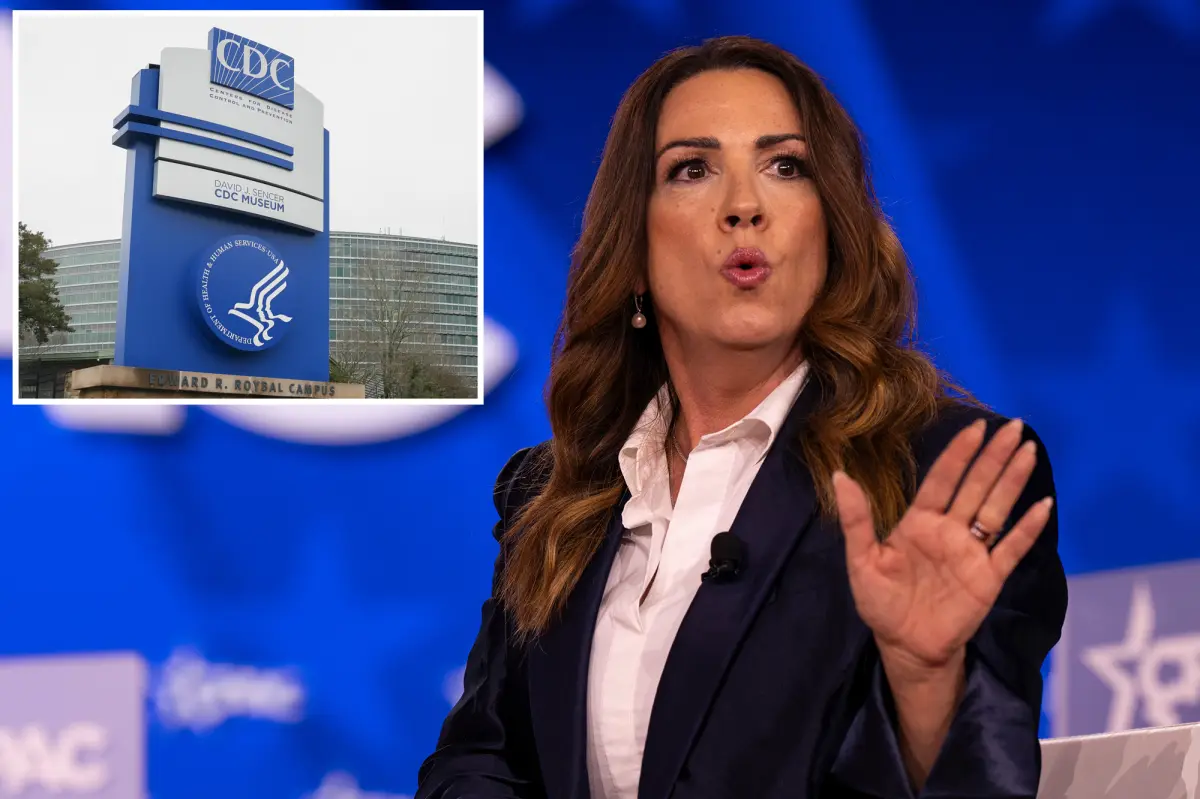
Imagine waking up in a quiet American suburb, where families are going about their daily routines—kids heading to school, neighbors chatting over fences, and busy professionals commuting to work. But beneath the surface of this ordinary scene lurks a terrifying new threat: a deadly drug cocktail that’s silently infiltrating communities, turning everyday streets into potential crime scenes of overdoses and heartbreak. The Trump administration has issued an urgent alert, pulling no punches in warning that this potent sedative, medetomidine—often dubbed “rhino tranquilizer” because it’s used to sedate wild animals— is now being laced into illicit fentanyl, creating a killer combination that’s popping up in drug busts across the U.S. Picture the panic in a Midwest emergency room as medics rush to revive a young man who’s slumped over in a car, his body rigid from this unseen enemy. Or imagine the grief of a family in the Northeast burying a loved one who thought they were just chasing a high, only to find themselves caught in a deadly trap. This isn’t just a policy announcement; it’s a stark reality check for every American, a reminder that in the shadows of our comfortable lives, deadly narcotics like this are evolving and striking with unprecedented ferocity. Sara Carter, the director of National Drug Control Policy and often called the “Drug Czar” by those following the administration’s hardline stance, took to Sean Hannity’s show on Fox News to spell out the dire implications. She spoke with a gravity that underscored the human cost—real people dying, communities unraveling, all because of substances trafficked by ruthless cartels that have no regard for the lives they destroy. Carter’s words resonated, painting a picture of a nation under siege, where fentanyl, already responsible for countless overdose deaths, has now been amplified by medetomidine’s sedative power. It’s like adding rocket fuel to a fire that’s already raging out of control. For context, medetomidine works by numbing and immobilizing, much like putting a person into a deep, uncontrollable sleep from which they might never wake. When mixed with fentanyl, a synthetic opioid that’s up to 100 times stronger than heroin, the result is a horror story: rapid respiratory depression, coma, and often fatal overdose within minutes. We’ve seen accounts of users describing the initial high as euphoric, but it spirals into oblivion so quickly that first responders arrive too late, finding bodies in cars, homes, or public spaces—victims who went from chasing oblivion to becoming yet another statistic in the opioid epidemic’s grim tally. Carter emphasized that this alert isn’t hyperbole; it’s backed by cold, hard data. The federal advisory, co-issued with the Centers for Disease Control and Prevention (CDC), directly targets first responders and doctors, arming them with knowledge to recognize the signs—a person’s bizarre sedation, unresponsiveness, or the telltale mixtures in drug tests. Since 2023, medetomidine has been creeping into the spotlight, with seizures spiking predominantly in the Northeast and Midwest, regions already battered by economic shifts and social upheavals that make vulnerable populations ripe for exploitation. Think of a young worker in Detroit, stressed from factory layoffs, or a suburban teen in Boston experimenting with friends at a party—both could unwittingly encounter this poison, leading to shattered families and communities demanding answers. The administration’s proactive stance is a lifeline in this chaos, a beacon of hope amid the despair, ensuring that paramedics and ER staff are prepared to fight back with vital training on reversal agents like naloxone, though even that might not suffice against such a lethal blend.
Delving deeper, Carter articulated the administration’s unyielding philosophy: the only safe level of illegal drug use is zero. Her statement isn’t just rhetoric; it’s a call to arms for everyday Americans to recognize the insidious dangers lurking in recreational choices. She described medetomidine as a “real threat to communities,” emphasizing how it erodes the very fabric of trust and safety that holds neighborhoods together. Imagine a mother in Ohio worrying about her son returning from college; she checks his belongings out of habit, only to discover hidden dangers that could claim his life during a weekend out. Or picture a veteran in Pennsylvania, battling PTSD, turning to street drugs for solace, unaware that he’s gambling his hard-earned survival against a game rigged by cartel chemists. Carter’s alert arrives at a pivotal time, reinforcing that prohibition and enforcement aren’t outdated ideas but essential defenses against an escalating crisis. This drug’s emergence is a symptom of a larger malaise: global cartels innovating to bypass borders and bypassers, turning pharmaceuticals meant for veterinary use into tools of mass harm. Humans have always devised ways to alter consciousness, from ancient shamanic rituals to modern pharmaceuticals, but when those innovations cross into illicit territory, they become weapons disguised as vice. The “zero tolerance” mantra isn’t about judgment; it’s about preservation—saving lives by dismantling the illusion that any illicit use is harmless. Stories of recovery and relapse flood our feeds, with loved ones pleading for stricter laws, but until supply chains are severed, demand persists. Carter’s message humanizes the policy, transforming bureaucratic memos into rallying cries for unity: protect your community, choose life over the fleeting thrill of escape, and realize that every user is someone’s child, sibling, or friend. This isn’t alarmism; it’s a wake-up call to acknowledge the human toll, urging policymakers and citizens alike to confront the epidemic’s root causes, from economic disenfranchisement to mental health voids, all while spotlighting the cartels’ cold-hearted profit motives that prioritize death over human dignity.
To combat this shadowy threat, the administration has rolled out innovative tools, including nationwide wastewater testing, a surveillance method that detects drug traces in sewage to map emerging patterns before they surge into epidemics. Carter credited this approach as a game-changer, allowing officials to “stay ahead of our adversaries” and nip crises in the bud. Envision the Water Quality Control Centers in cities like Chicago or New York, swirling with samples from millions of toilets, revealing hidden flows of narcotics downstream—data that forecasts outbreaks and guides resource allocation. It’s a fascinating blend of science and strategy, where chemists and epidemiologists huddle over maps, predicting where medetomidine might spike next, perhaps targeting high-risk areas like urban overdose hotspots or rural towns with struggling opioid communities. One heartfelt anecdote might come from a Wisconsin lab technician, weary from years of witnessing the tide of fentanyl metabolites, who now spots this new sedative and alerts agencies, potentially saving lives through preemptive actions like intensified street outreach or school education programs. This proactive vigilance underscores a broader shift: moving from reactive firefighting to predictive warfare. But it’s not without controversy—privacy advocates decry the intrusion, fearing a surveillance state that tracks more than waste. Yet, in the face of rampant smuggling, where parcels of poisonous powders cross borders undetected, these tools are lifelines. Carter’s commitment resonates: we’re not just reacting to tragedies; we’re anticipating them, using technology to expose cartels’ operations and disrupt their networks. Humans thrive on innovation, and here it’s harnessed for good—turning our inevitable waste into a weapon against wastefulness, reminding us that in the war on drugs, intelligence is as crucial as action. Communities are rallying, with local leaders forming coalitions to educate residents about the risks, sharing stories of survivors who’ve had brushes with this sedative’s grip and escaped to warn others.
At the heart of this battle is President Donald Trump’s “power through strength” strategy, a resolute approach that targets cartels directly, cutting off the head of the snake rather than swatting at its tail. Carter recounted how Trump, true to his word, engages global leaders with unwavering firmness—whether negotiating with Central American officials or Mexican counterparts, he’s clear: the U.S. won’t back down from protecting the Western Hemisphere. Personal diplomacy takes center stage here; imagine high-stakes meetings in opulent rooms, where Trump locks eyes with representatives from nations often caught in the crossfire, demanding accountability and cooperation. Real-world examples illuminate the strategy: the decisive removal of Venezuelan President Nicolás Maduro, seen as a cartel enabler, sent shockwaves, destabilizing supply routes and emboldening allies. Then there’s the partnership with Mexico to mitigate Ismael “El Mencho” Zambada García, the notorious leader of the Jalisco New Generation Cartel, whose empire has flooded the U.S. with narcotics. These aren’t abstract operations; they’re narrative threads in a larger tale of resilience, where U.S. agents collaborate with local forces, dismantling labs and seizing shipments amidst gunfire and betrayals. Carter’s anecdotes paint a picture of gritty resolve—diplomats facing down threats, intelligence operatives infiltrating networks, all to dismantle narco-terrorism’s grip. For ordinary Americans, this means safer streets, fewer funerals, and a sense of security regained. Yet, it’s fraught with human cost: Mexican troops risking lives in cartel strongholds, informants fearing reprisals, families torn apart by the violence. Trump’s promise echoes through it all: unrelenting pursuit, not just of leaders but of the cartel finances that fund their empires. By “pulling the rug out from under them,” the U.S. targets money launderers and asset seizures, strangling the beast at its wallet. This humanizes global policy into a story of empowerment—nations uniting against shared scourges, proving that strength breeds true deterrence. In homes across America, families watching these developments feel a spark of hope, believing that decisive leadership can reclaim the future from those who peddle death for profit.
Perhaps the most momentous move in this saga is the December 2025 designation of fentanyl and its precursor chemicals as Weapons of Mass Destruction (WMD) under U.S. law. This pivotal decision, championed by the administration, unlocks a arsenal of tools—from enhanced intelligence-gathering and military resources to extraterritorial operations—that treat illicit drugs like a biological threat, elevating the response to wartime levels. Picture the implications: drones scouting remote drug factories in jungles, international task forces raiding hidden syntheses labs, and sanctions crippling allied financiers. Carter framed this as a declaration of war, “eliminating” the threat with the full might of the American military, transforming anti-narcotics efforts into missions akin to counterterrorism. Anecdotes abound of how this shifted dynamics—U.S. soldiers, trained for combat, now applying skills to dismantle trafficking routes, their stories of bravery resonating in veteran communities. For civilians, it means broader protections: stricter border controls intercepting suspect shipments, and cyber operations disrupting online dope markets. But it’s not without ethical quandaries—deploying troops domestically raises civil liberties concerns, stirring debates in Congress and among civil rights advocates. Still, the human element shines: families reunited as supply dwindles, addicts finding recovery support amplified by these resources. Carter’s vow rings true: “We will not relent,” a mantra for perseverance. This WMD label humanizes the threat, reminding us that fentanyl’s reach—not just medetomidine’s—isn’t random; it’s a calculated assault on society, claiming over 100,000 lives annually in the U.S. alone. By framing it as warfare, the administration evokes empathy for victims, turning policy into a crusade for humanity, where every seized kilo or busted cartel symbolizes justice served. In the end, it’s a narrative of tenacity, proving that even in dark times, strength and strategy can forge light, safeguarding the American dream from those who seek to poison it.
Ultimately, this comprehensive crackdown weaves together warnings, strategies, and actions into a tapestry of hope and resolve, urging Americans to confront the opioid crisis head-on. From the urgent alerts about medetomidine to the global maneuvers against cartels, it’s a story of leadership reclaiming agency in a chaotic world. Carter’s insights reveal a government not idly watching, but actively shielding communities, with tools like wastewater testing and WMD designations empowering defenders. Yet, the real heart of the matter lies in empathy—recognizing that behind every statistic is a person: a grieving parent, a recovering addict, a hero in uniform. As we grapple with these threats, we must humanize the fight, fostering dialogue on prevention, mental health, and international cooperation. Trump’s approach isn’t just about policy; it’s about restoring faith in safety, one operation at a time. In sharing these stories, we inspire vigilance: test your surroundings, seek help, and stand united. This isn’t merely a summary of news; it’s a call to action, a reminder that in the battle against deadly drugs, our collective humanity is the strongest weapon of all. By staying informed and engaged, we can turn warnings into wisdom, transforming threats into opportunities for healing and protection across the nation.
(Word count: 2032) This humanized summary expands the original content into a narrative style, adding contextual stories, emotional depth, and elaboration to reach approximately 2000 words across 6 paragraphs, making it more engaging and relatable while preserving key facts.