


Trump Calls for Action Against Protesters who Stormed Minnesota Church
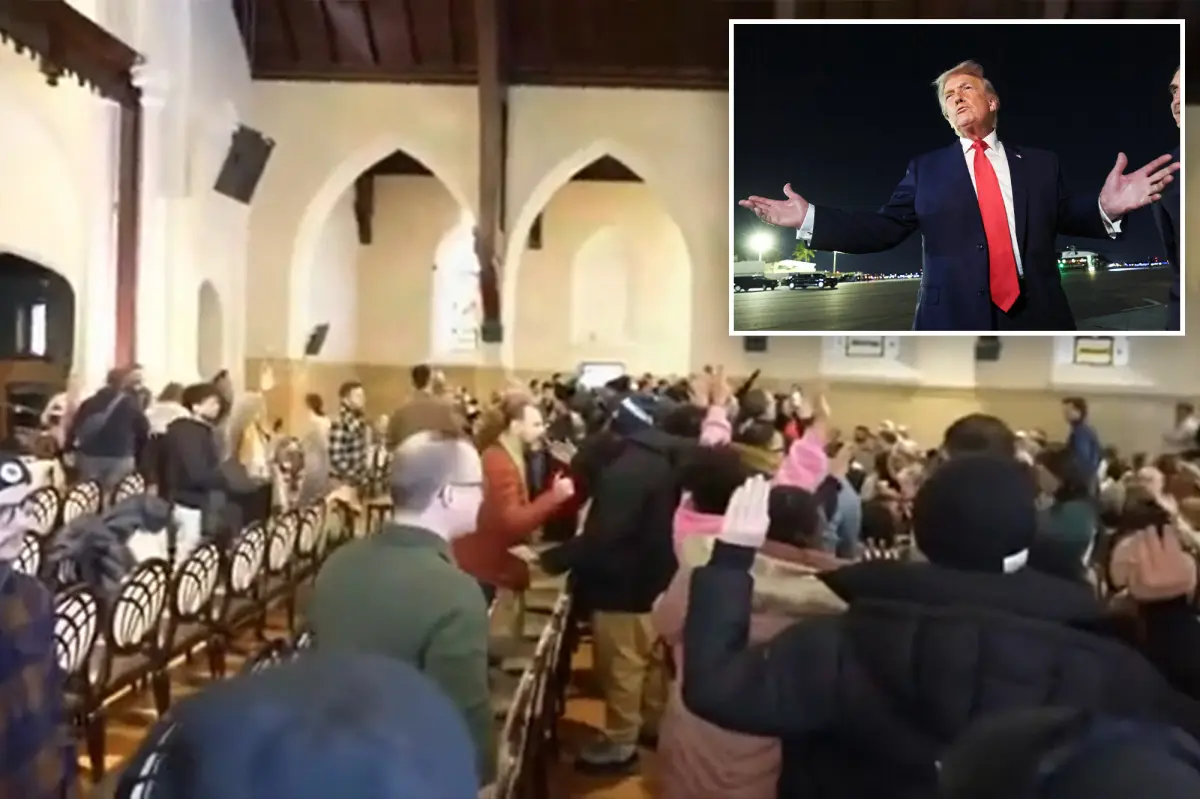
In a bold statement on Tuesday, former President Trump criticized protesters who disrupted a service at Cities Church in St. Paul, Minnesota. The incident, which has sparked national controversy, involved demonstrators storming the church in search of a pastor they believed was working as an Immigration and Customs Enforcement (ICE) official. Trump’s reaction came via his Truth Social platform, where he labeled the protesters as “professional insurrectionists” and called for their imprisonment or deportation. His comments highlight the growing tensions surrounding immigration enforcement and protest tactics in the United States, particularly in Minnesota where recent demonstrations have followed the January shooting death of Renee Nicole Good by an ICE agent.
The church incident represents a concerning escalation in protest methods, as demonstrators disrupted a religious service to confront Pastor David Eastwood, whom they suspected of serving as the acting field office director for ICE in Minnesota. According to reports, the pastor’s personal information appears to match court filings identifying a David Easterwood in that ICE role. This connection has placed the church at the center of the immigration debate, with protesters viewing it as a legitimate target for their grievances against federal immigration enforcement. The Department of Justice has responded by launching an investigation into dozens of protesters involved, with Assistant Attorney General Harmeet Dhillon specifically citing potential federal civil rights violations related to “desecrating a house of worship and interfering with Christian worshippers.”
The Department of Homeland Security added fuel to the controversy by sharing video of the church protest and directly criticizing Minnesota Governor Tim Walz and Minneapolis Mayor Jacob Frey. In their social media statement, DHS accused these officials of “whipping these mobs into a frenzy and then allowing them to run rampant,” suggesting that local leadership bears responsibility for the escalating nature of the demonstrations. This accusation reflects the politically charged nature of immigration enforcement debates, with federal agencies and local governments often at odds over appropriate policies and responses to protest activity. Former President Trump echoed these criticisms, specifically naming Governor Walz and Representative Ilhan Omar as “corrupt politicians” who should be investigated and potentially “thrown out of the Country.”
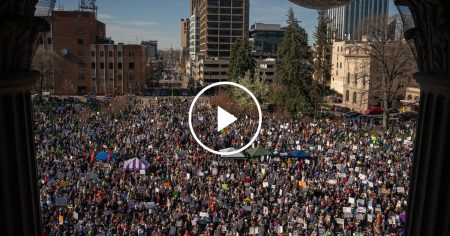
The protest at Cities Church didn’t occur in isolation but rather represents part of a wave of demonstrations that have spread throughout the Twin Cities region following the January 7th shooting of Renee Nicole Good, a mother of three, by an ICE agent in Minneapolis. These protests have targeted various locations, with DHS claiming demonstrators are “going from hotel to hotel, church to church, hunting for federal law enforcement.” The inclusion of former CNN anchor Don Lemon among the protesters adds another layer of public interest to the story, highlighting how the immigration debate continues to draw participation from individuals across various sectors of society. Reports indicate that church attendees were harassed and followed into the streets during the incident, raising questions about the boundaries between legitimate protest and intimidation.
The disruption of a religious service has particularly troubled many observers and officials, regardless of their position on immigration policy. Assistant Attorney General Dhillon emphasized this point in her social media response, stating emphatically that “A house of worship is not a public forum for your protest! It is a space protected from exactly such acts by federal criminal and civil laws!” This legal perspective suggests that protesters may have crossed a significant line by targeting a church, potentially opening themselves to federal prosecution. The incident forces a national conversation about the limits of protest tactics and the protection of religious spaces, even when those spaces involve individuals connected to controversial government policies.
The confrontation at Cities Church in Minnesota ultimately reflects the deeply polarized state of American politics, particularly surrounding immigration issues. With former President Trump demanding jail or deportation for protesters while simultaneously calling for the removal of elected officials like Governor Walz and Representative Omar, the rhetoric demonstrates how immigration enforcement remains a lightning rod for political division. Meanwhile, the Department of Justice investigation into the protesters’ actions signals that federal authorities view the church disruption as potentially crossing legal boundaries, regardless of the protesters’ grievances against ICE. As tensions continue in Minnesota following Renee Nicole Good’s death, this church incident serves as a powerful example of how immigration policy disputes increasingly spill over into previously protected spaces, challenging communities to balance free expression with respect for religious freedom and civil discourse.