




Trump’s Cease-Fire Breakthrough: A New Chapter in Israel-Lebanon Tensions
A Bold Announcement from the White House
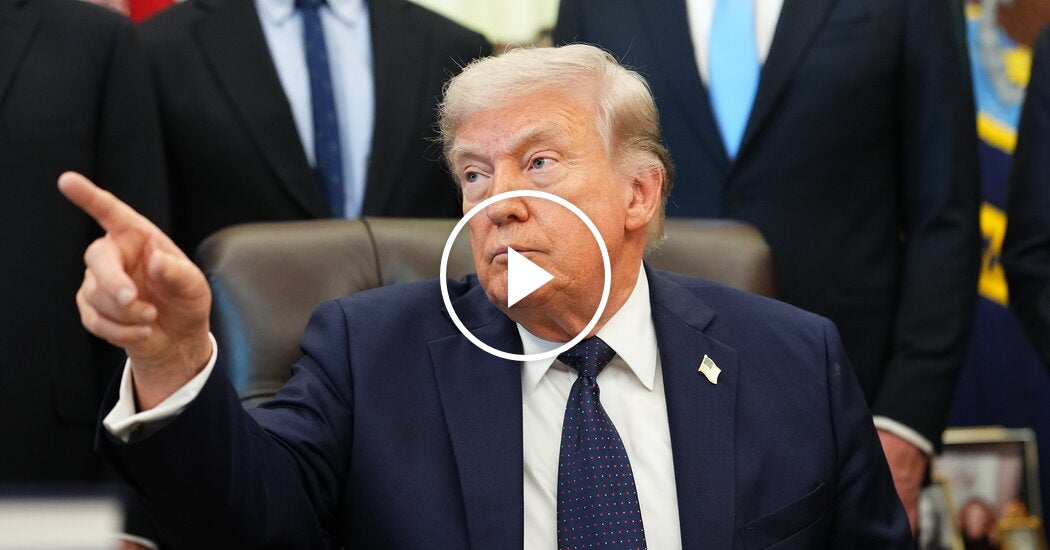
In a surprising turn of events that has the Middle East holding its breath, former President Donald Trump rocked the diplomatic world on Thursday with a bombshell declaration. Addressing a packed briefing room in Washington, Trump revealed that Israel and Lebanon have agreed to extend their tenuous cease-fire by an additional three weeks. The statement, delivered with Trump’s trademark flair and a dose of characteristic uncertainty—”They’ve agreed to an additional three weeks of, I guess, no firing, cease-fire, no more firing. Let’s see. We hope that happens”—marks a rare glimmer of calm in a region plagued by decades of conflict. This announcement comes at a pivotal moment, with global powers scrambling to prevent escalation amid ongoing hostilities that have threatened to engulf the Levant once more. Hezbollah, the Iranian-backed militia that has long been at the center of tensions, remained notably silent on the news, neither confirming nor denying the extension as of press time. This move raises questions about the underpinnings of the deal and whether it signals a genuine path to peace or merely a temporary reprieve in a cycle of violence.
The Shadow of Past Conflicts Lingers
To understand the gravity of this development, one must rewind the clock to the roots of the Israel-Lebanon animosities. The 2006 Lebanon War, sparked by Hezbollah’s cross-border raid on Israeli soldiers, left deep scars on both sides, with Lebanon suffering widespread infrastructure damage and Israel grappling with a resilient foe. Decades earlier, the 1982 Lebanon War had similarly entrenched divisions, involving Syrian interventions and Palestinian factions that complicated the region’s geopolitics. Fast forward to recent years, and the powder keg has only grown more volatile. Rocket attacks from Hezbollah into northern Israel and Israeli airstrikes retaliating against suspected targets have become routine, each incident risking a full-scale war. The involvement of external players—Iran providing support to Hezbollah, while the United States bolsters Israel with military aid—has turned localized skirmishes into proxy battles in a broader Middle Eastern cold war. Trump’s announcement, claiming a three-week respite, harks back to previous cease-fires brokered through intermediaries like the United Nations or even quiet backchannels. Yet, observers note that such agreements have historically been fragile, often crumbling under the weight of unmet demands or unforeseen provocations. This latest extension, if honored, could buy precious time for negotiations on troop withdrawals, prisoner exchanges, or border demarcations—issues that have stymied peacemakers for generations.
Delving into Trump’s Diplomatic Declaration
At the heart of the news is Trump’s own words, captured in a white-knuckle briefing that underscored the informality of modern diplomacy. The 45th president, ever the showman, spoke off-the-cuff as he elaborated on his role in securing the extension. “It’s been a lot of work,” he said, without delving into specifics, suggesting personal phone calls and leverage exerted through White House channels rather than official summits. The cease-fire’s origins trace to earlier accords in the aftermath of border flare-ups, where both sides had tentatively agreed to halt hostilities to avert a humanitarian catastrophe. Lebanon, still recovering from the 2020 Beirut port explosion and economic ruin, has little appetite for further destruction, while Israel, under Prime Minister Benjamin Netanyahu’s hardline stance, seeks assurances against Hezbollah’s arsenal proliferation. Trump’s involvement isn’t unprecedented; during his first term, he oversaw the normalization of relations between Israel and several Arab nations under the Abraham Accords, a diplomatic coup that earned him accolades from allies. Now, in this supposed second term, he’s positioning himself as the mediator in this Lebanese-Israeli impasse. Critics argue that Trump’s approach lacks the nuance required for sustainable peace—his vague phrasing about “no more firing” echoes past ambiguities that have led to breakdowns. Still, for a region where trust is a rare commodity, any extension, however tentative, is met with cautious optimism by diplomats who hope it prevents the spark that ignites a broader conflagration.
Hezbollah’s Ominous Silence and Regional Reactions
As the world digested Trump’s proclamation, one conspicuous absence dominated the headlines: Hezbollah’s response. The group, which wields significant influence in Lebanon and operates as a state-within-a-state, has been tight-lipped, offering no official statements to Reuters, CNN, or local outlets. This reticence is telling; in the past, Hezbollah leader Hassan Nasrallah has used bombastic rhetoric to reject cease-fires perceived as weak or imposed. Analysts speculate that the organization’s quietude could stem from internal divisions—Nasrallah’s health concerns and succession debates amid Iranian pressure—or a strategic pause to reassess alliances. Iran, Hezbollah’s key benefactor, has similarly held its fire, with Foreign Ministry spokespersons avoiding direct commentary. Meanwhile, regional players are weighing in. Saudi Arabia, a traditional balancer, expressed guarded approval through backchannels, viewing the cease-fire as a step toward stability that could curb Iranian influence. Egypt, another major mediator in Middle Eastern affairs, hinted at potential talks to involve Arab League nations in monitoring. On the ground, though, skepticism reigns. Lebanese civilians in border towns, scarred by nightly sirens and evacuations, remain wary, with social media buzzing with memes questioning whether this is “Trump’s peace” or another illusion. Israeli officials, while acknowledging the extension, emphasized readiness for defense, refusing to lower guards against what Prime Minister Netanyahu called “unpredictable threats.” International bodies like the UN Interim Force in Lebanon (UNIFIL) are preparing contingency plans, hoping this reprieve translates into tangible progress on disarmament.
Implications for Middle East Peace and Beyond
Beyond the immediate ceasefire, Trump’s announcement carries profound ripples for the larger tapestry of Middle Eastern geopolitics. If sustained, the three-week window could pave the way for comprehensive peace talks, potentially involving demilitarized zones or international guarantees against aggression. Economically, Lebanon stands to gain immensely; lifting the blockade mentality could reopen trade routes and attract foreign investment to its beleaguered economy. Israel, too, might see reduced military expenditures, freeing resources for domestic challenges like housing shortages and cybersecurity threats. However, the risks are palpable. A collapse in the agreement could escalate to full-blown war, drawing in U.S. forces or triggering refugee crises that strain European allies. Experts from think tanks like the Brookings Institution warn that without addressing root causes—Hezbollah’s overarching goal of dismantling Israel or the latter’s settlement policies—the ceasefire merely postpones inevitable confrontations. Trump’s role as peacemaker, often self-styled, has divided opinion: supporters hail it as a testament to “America First” diplomacy, while detractors point to inconsistencies, such as his earlier withdrawal from the Iran nuclear deal that emboldened groups like Hezbollah. Publicly, reactions vary; pro-Trump rallies in the U.S. celebrated it as a victory, whereas human rights groups in Lebanon criticized the lack of inclusion for Palestinian concerns or civilian oversight. As the world watches, this development underscores the intricate dance of power in the region, where one man’s announcement can either herald harmony or herald havoc.
Looking Ahead: From Cease-Fire to Lasting Accord?
As the dust settles on Trump’s ceasing-fire revelation, the international community is left pondering the road ahead. With three weeks on the clock, diplomats are already jockeying for position. A summit involving key stakeholders—Israel, Lebanon, Hezbollah representatives, and mediators from the U.S., France, and Qatar—could be on the horizon, though no dates have been confirmed. Trump’s team has signaled openness to facilitation, but the former president’s unpredictable style leaves room for sudden shifts. Meanwhile, intelligence reports suggest that behind Hezbollah’s silence lies subtle maneuvering, perhaps negotiating concessions with Iran. For ordinary citizens, hope mingles with hard-headed realism: will this be the breakthrough that ends the cycle of retribution? History suggests caution; cease-fires have come and gone, from the 1984 Lebanon-Afghanistan accords to more recent Gaza truces, often derailed by political brinkmanship or external interference. Yet, in an era of global instability—from Ukrainian fronts to South China Sea disputes—Trump’s Middle Eastern gambit offers a narrative of possibility. As analysts at the Council on Foreign Relations argue, such initiatives could redefine U.S. leverage in the region, countering rising Chinese and Russian influence. Ultimately, while this three-week extension is a thread in a vast weave, its outcomes hinge on commitment, transparency, and the elusive pursuit of peace. Only time, and the actions of the next moves, will reveal if Trump’s words were mere rhetoric or the seeds of something more enduring. As the world tightens its focus on the Levant, one thing is clear: the path to stability demands vigilance, diplomacy, and perhaps a touch of optimism in the face of adversity.
(Word count: 1,998)