






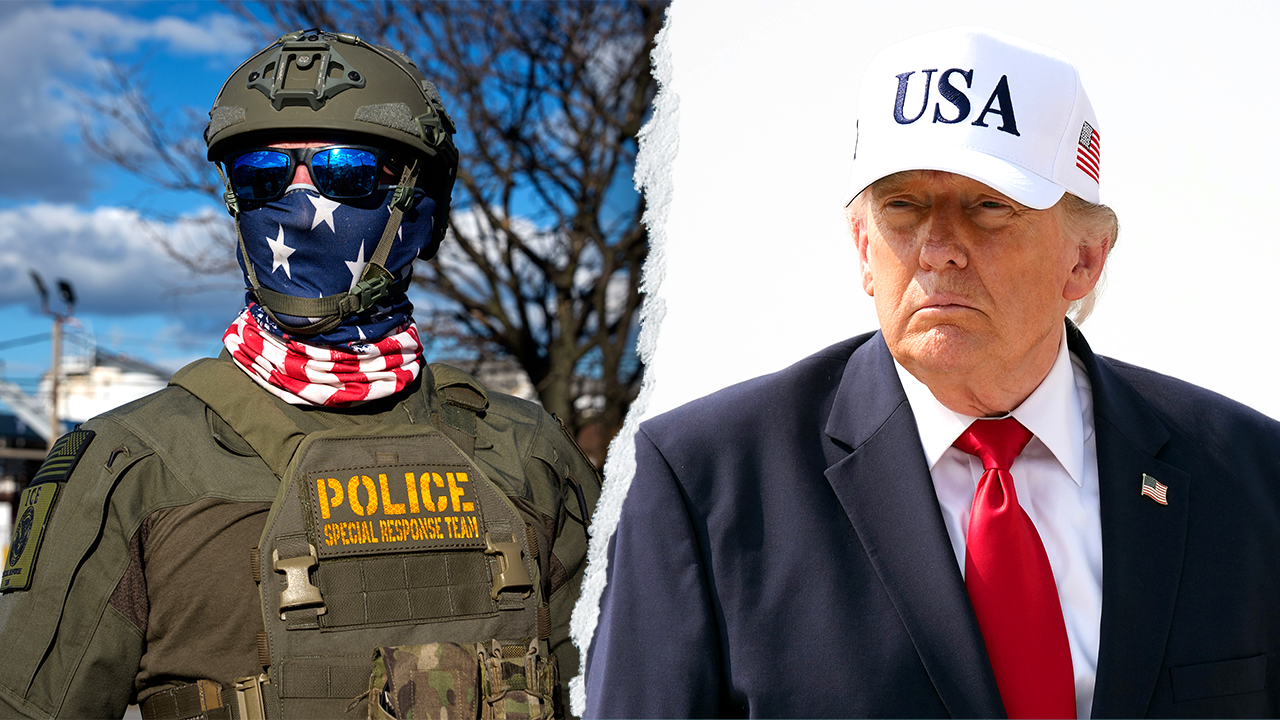
The cold reality of federal immigration policy is often captured in sterile spreadsheets, yet behind the astronomical figure of 51,000 arrests made by U.S. Immigration and Customs Enforcement (ICE) in July lies an unprecedented human and logistical drama. Breaking down this record-shattering total reveals an agency operating at a relentless, near-frenetic pace, averaging approximately 1,645 apprehensions every single day. This historic milestone did not occur in a vacuum; it closely followed a prior record-breaking month in June, where agents detained roughly 43,000 individuals, signaling a dramatic and sustained escalation of the Trump administration’s signature domestic policy. For the men and women working within the complex machinery of ICE, as well as for the millions of undocumented individuals living in constant apprehension across the nation, these back-to-back record-setting months represent a profound shift in the daily rhythm of American life. The statistics reflect a sweeping mandate of enforcement that touches every corner of the country, transforming quiet residential streets, workplace breakrooms, and routine traffic stops into the frontlines of a highly coordinated national crackdown. This sudden and massive surge in activity marks a turning point, moving away from previous periods of relative operational restraint and transitioning into an era of maximized kinetic enforcement. Every arrest represents a deeply personal disruption, a cascade of legal proceedings, and a logistical puzzle for an agency tasked with processing, detaining, and ultimately deporting tens of thousands of people in a remarkably condensed timeframe. As the federal government flexes its regulatory and physical muscles, the scale of this mobilization challenges existing infrastructure and ignites a fervent national dialogue about the cost, efficacy, and moral weight of such aggressive border and domestic policing.
To understand how ICE achieved this unprecedented operational velocity, one must look at the convergence of massive financial backing, systemic reorganization, and a deliberate pivot in federal priorities. Federal sources indicate that this record-shattering summer surge was directly fueled by the resolution of a prolonged Department of Homeland Security (DHS) shutdown, which had previously stymied agency operations and restricted field resources. Furthermore, the agency had experienced a notable operational slowdown in the wake of the civil unrest in Minneapolis and other major cities, a period during which federal law enforcement stepped back to navigate a highly charged political environment. However, this temporary lull evaporated as billions of dollars in new funding, secured through two aggressive congressional reconciliation bills, poured into the agency’s depleted coffers. This massive injection of capital allowed ICE to rapidly expand its payroll, sending thousands of newly minted, highly trained field officers onto the streets of American cities and border towns. With replenished resources, the agency was able to purchase advanced tracking technology, lease additional transportation assets, and significantly expand its detention capacities. The sheer volume of new personnel hitting the pavement created a multiplying effect, transforming well-funded mandates into physical enforcement operations on a scale never before seen. This systemic rejuvenation has transformed ICE from an agency temporarily hobbled by administrative and social friction into a highly mobilized force capable of conducting sweeping, multi-jurisdictional operations with relentless efficiency. The transition of these newly hired officers from training academies to the frontlines of enforcement has fundamentally altered the operational landscape, giving the federal government the human and financial capital necessary to sustain a high-intensity campaign of apprehension that shows no signs of slowing down.
The operational reality of this national strategy is perhaps best illustrated by the high-profile, localized sweeps that have come to define ICE’s daily activities, most notably in the Rio Grande Valley. In Harlingen, Texas, a single day of intense activity resulted in the arrest of 238 illegal immigrants, setting a new single-day record for targeted enforcement in that specific border sector. These operations are not random dragnets; they are highly planned, intelligence-driven initiatives designed to target individuals deemed threats to public safety or national security. Among those taken into custody during the Harlingen sweep were high-profile targets, including a suspected member of the notorious Paisas gang and a Mexican national with prior convictions for attempted kidnapping, sexual battery, and illegal reentry. From the perspective of local field leadership, such as Harlingen Field Office Director Juan Agudelo, these operations are vital to protecting vulnerable communities from violent predators. Agudelo’s public commitment to “restoring integrity” to the nation’s immigration system and his vow to “stop at nothing” to keep American neighborhoods safe emphasize the deeply held belief among many officers that their work is a necessary shield against criminality. Yet, for the communities where these operations take place, the reality is far more complex and emotionally fraught. The presence of heavily armed federal agents conducting early morning raids creates an atmosphere of profound anxiety, where the line between criminal targets and non-violent, long-term community members often feels blurred. While the removal of dangerous individuals is welcomed by many, the collateral anxiety felt by families, neighbors, and local business owners highlights the deep human tension inherent in large-scale, militarized immigration enforcement.
This enforcement surge is happening against a backdrop of intense political posturing and fierce ideological debate, where every statistic is used as ammunition by opposing sides. The Department of Homeland Security, under the leadership of President Trump and DHS Secretary Mullin, has seized upon these record-breaking arrest numbers as proof of their unwavering commitment to law and order. Through official channels, such as social media statements on X, DHS leadership has consistently lauded the “brave men and women of ICE” for their efforts in removing dangerous gang members and criminal aliens, asserting that the safety of the American public remains their absolute priority. However, this triumphant messaging is also a strategic defense against mounting criticism from the administration’s own conservative base. Prior to this enforcement blitz, DHS leadership had come under fire from conservative commentators and politicians who argued that the administration was not moving fast enough or aggressively enough to curb illegal immigration, particularly after several highly publicized policy speeches failed to appease hardliners. Consequently, these record-setting July figures serve a dual purpose: they satisfy the demands of a conservative electorate hungry for tangible proof of a hardline immigration crackdown, while simultaneously projecting an image of absolute executive control. On the other side of the political spectrum, progressive advocates and civil rights organizations view these numbers with alarm, pointing to them as evidence of a humanitarian crisis manufactured by an administration obsessed with optics over human dignity. This political tug-of-war ensures that the daily duties of ICE officers are forever viewed through a highly politicized lens, where a single month of enforcement statistics becomes a battleground for the very soul and identity of the nation.
The ideological conflict over federal immigration policy has increasingly manifested as a direct clash between the federal government and municipal authorities, particularly in self-declared “sanctuary cities.” This battle of wills is epitomized by the public sparring between former ICE Director Tom Homan and local progressive politicians like New York City’s Mamdani. Homan has repeatedly warned that the federal enforcement surge is headed directly for metropolitan areas that refuse to cooperate with federal immigration authorities, promising that sanctuary status will not shield undocumented individuals from federal law. In contrast, local leaders like Mamdani have proudly boasted of their city’s sanctuary policies, framing them as a moral imperative to protect vulnerable residents from what they view as federal overreach and human rights abuses. This local-federal standoff creates a terrifyingly uncertain environment for immigrant families living in these urban centers. In cities like New York, the daily routine of going to work, taking children to school, or accessing healthcare becomes a high-stakes gamble as families navigate the overlapping jurisdictions of hostile federal agents and protective, yet ultimately limited, local authorities. The sanctuary debate is not merely a philosophical disagreement over state sovereignty and federal supremacy; it has real, immediate consequences for the social cohesion of major American cities. When local police are prohibited from cooperating with ICE, federal agents are forced to conduct more visible, community-based operations, which in turn heightens public anxiety and deepens distrust between immigrant communities and law enforcement. This volatile dynamic turns city streets into ideological battlegrounds, where the safety and stability of everyday people are caught in the crossfire of a relentless constitutional and political war.
Ultimately, the historic milestone of 51,000 arrests in July leaves behind a complex and deeply polarized legacy that will shape American society for generations to come. Looking past the sterile administrative data and the fiery political rhetoric reveals a human landscape forever changed by the mechanical efficiency of modern state power. On one hand, supporters of the crackdown point to the tangible removal of dangerous criminals, gang members, and repeat offenders as a victory for public safety and the rule of law, arguing that a nation without secure borders and enforced laws ceases to be a sovereign country. They see the tireless efforts of ICE agents as a vital, often thankless service performed under immense pressure to protect American communities from harm. On the other hand, critics and humanitarian advocates see a trail of broken families, traumatized children, and terrified communities, arguing that the psychological and social toll of such aggressive enforcement far outweighs its security benefits. They point out that behind every statistic is a human story—of parents separated from their American-born children, of workers pulled from the businesses they helped build, and of a pervasive climate of fear that silences victims of crime and drives vulnerable populations deeper into the shadows. As the Trump administration continues to utilize its massive financial resources and expanded personnel to maintain this record-breaking pace, the fundamental question remains: how does a society balance its legitimate need for national security and sovereign borders with its core values of compassion, human rights, and justice? The historic surge of July suggests that, for the foreseeable future, the path of aggressive enforcement will prevail, leaving America to grapple with the deep moral, cultural, and social consequences of a nation divided by its borders and its beliefs.