


Imagine waking up to a news alert that chills you to the bone: the federal government is demanding the personal details of thousands of everyday people who showed up to make democracy work during a presidential election. In Fulton County, Georgia—the heart of vibrant Atlanta and a Democratic stronghold— that’s exactly what’s unfolding. The U.S. Department of Justice has issued a grand jury subpoena seeking the identities of every single worker, from poll volunteers to temporary staff and even bus drivers for mobile voting sites, who helped staff the 2020 election. This isn’t just bureaucracy; it’s rooted in the swirling vortex of unproven claims that the election was rigged, pushed hard by former President Donald Trump and his allies. As midterms loom and voters gear up in Georgia and beyond, this move feels like a storm cloud over our trust in fair elections, risking confusion and apathy that could undermine participation. No one knows for sure what the DOJ plans to do with these names—whether it’s prying into past events or something else entirely—but it smells like political opportunism at its worst. Fulton County Commissioner Robb Pitts hit the nail on the head when he called it “harassment” and “outrageous federal overreach designed to intimidate and chill participation.” With countless Americans already wary of the political machine, this feels personal, like a bully picking on the unsung heroes who keep our elections humming. Think about the sheer scale: thousands of people, many volunteers, now potentially exposed, their privacy and safety in question. It’s a reminder of how fragile our democratic fabric is, especially when powerful figures weaponize investigations for what seems like partisan score-settling. Yet, amid the frustration, there’s a defiant spirit echoing from county leaders: “Let me be crystal clear. Fulton County will not be intimidated.” That resilience is heartening, a beacon for anyone who’s ever felt the weight of standing up for what’s right. As I read about this, I can’t help but reflect on my own experiences volunteering at a local poll— the excitement of helping neighbors vote, the late nights, the sense of civic duty. It’s human stories like these that drive elections, and now they’re under threat. Why target these workers now, when so much has already been debunked? It’s a question nagging at the edges of our faith in justice, making you wonder if we’re trading transparency for targeted inquiries that could tarnish reputations without rhyme or reason. The subpoena, received on April 20, wasn’t a secret forever; it spilled into the public eye when county lawyers filed a motion to block it, arguing it’s all about punishing political opponents, not uncovering crime. Statutes of limitations have long expired for any supposed 2020 election misdeeds, they point out, so what evidence could this possiblyyield? It’s a puzzle that screams overreach, especially with midterms heating up. Voters in Georgia and elsewhere—many still buzzing from that tight 2020 race—might now second-guess stepping into a polling place, fearing their faces will end up on some federal list. Pair that with the broader erosion of confidence from years of baseless allegations, and you’ve got a recipe for voter suppression by proxy. Policing the sacred act of voting should build trust, not sow seeds of doubt. Still, in the face of this, there’s a quiet strength in the community’s pushback, a testament to the unsung guardians of our democracy. It’s moments like these that remind us why we cherish resilient public servants—they’re not just cogs in a machine; they’re passionate people risking their comfort for the greater good. As the investigation unfolds, we can only hope cooler heads prevail, turning away from intimidation and toward unity that heals divisions.
Diving deeper into the gritty details, this subpoena isn’t a random flicker—it’s the continuation of a federal probe that’s been brewing, fueled by what county officials describe as a “target, harass, and punish” agenda against those who dared challenge Trump’s narrative. The grand jury’s demand is expansive, zeroing in on ten specific categories of election workers: folks like ballot counters, supervisors, tech support, custodians, even those who drove buses for on-the-go voting. Imagine the volunteers—ordinary citizens squeezing in shifts around jobs and families—now potentially scrutinized for their role in what was a standard election day. Court filings paint a vivid picture of vulnerability: at a time when election workers are bracing for threats, revealing names, positions, emails, and phones feels like handing over a playbook for harassment. It’s not hyperbolic; experts like Lauren Groh-Wargo of Fair Fight Action have been sounding alarms about this nationwide trend. She shared that roughly a third of election officials face threats regularly, and more than half fear it complicates recruiting new talent. “They’re trying to break our democracy by attacking the infrastructure,” she laments, her voice cutting through the noise. Her organization fights for voting rights, and stories from workers—receiving menacing calls or feeling unsafe—make this feel achingly real. One election worker I know confided in me about dreading phone rings after work, wondering if it’s gratitude or something sinister. This subpoena ramps up that anxiety, inviting copycats who might use publicly shared info to intimidate. County attorneys argue it’s futile anyway, arguing no criminal prosecution can stem from it due to expired times and the absence of any viable evidence tying these workers to wrongdoing. Presidents past might have used investigations to pursue political goals, but this era feels uniquely divisive, with social media amplifying every accusation into a firestorm. As midterms approach, the timing couldn’t be worse—voters need encouragement, not fear that participating might paint a target on their backs. Yet, there’s inspiration in the county’s motion, a legal stand that humanizes these workers as protectors of the vote, not villains in a conspiracy tale. It’s a reminder that democracy thrives not on blind faith, but on people willing to defend its soul against overreach. Personally, it makes me prouder of local heroes who treat elections like a community block party, ensuring every voice counts. Fighting back, as Groh-Wargo says, means amplifying their stories, showing that threats don’t win—they unite. In the end, this isn’t just about Fulton; it’s a mirror for all of us, revealing how fragile trust can be when power seeks to exploit it for retribution.
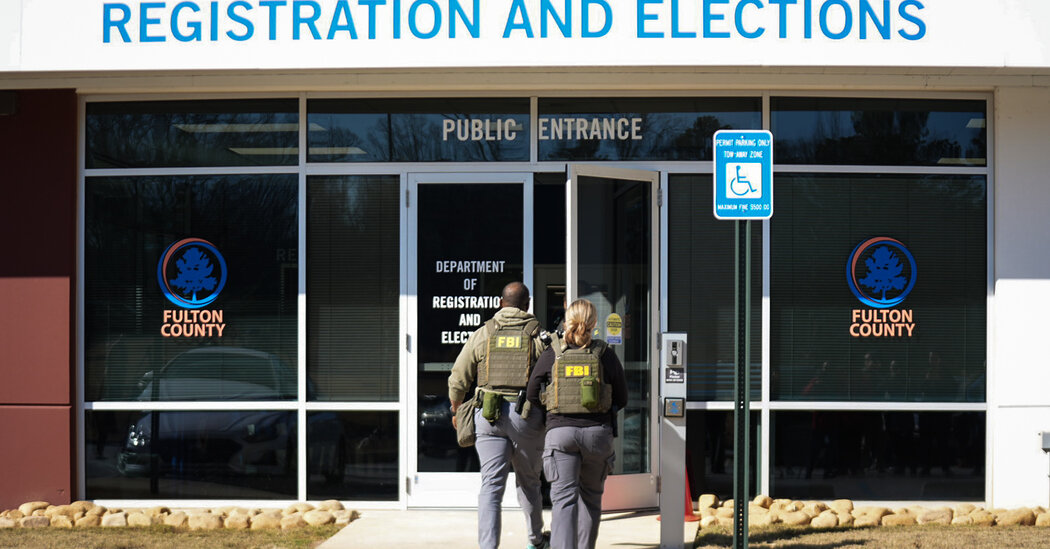
To grasp the full scope, rewind to the sparks that ignited this fire: an FBI raid earlier this year on a Fulton County election warehouse, where agents seized physical ballots and materials from the 2020 vote. Picture federal officials swooping in, searching for ghosts of fraud that experts have long dismissed as fiction. County leaders weren’t passive—they slapped a lawsuit on the DOJ, demanding the return of those materials, arguing the takedowns were unjust. A federal judge’s ruling hangs in the balance, a turning point that could either restore normality or escalate tensions. This raid wasn’t isolated; it fed into the grander saga of Trump’s relentless push to overturn the election results, channeled through allies who wove webs of suspicion around Atlanta-based Democrats. Fulton, with its diverse urban pulse, voted overwhelmingly for Biden, and yet claims of rigging gained traction in echo chambers, despite courts uniformly rejecting them. The human toll here is stark: families disrupted, careers shadowed by unfounded doubts. I often think of the warehouse as a symbol—the secure vaults holding voted slips, now pierced by search warrants. Workers there, many lifelong civil servants, faced the intrusion like an invasion of their dedication. Lawsuits like the county’s are our recourse in a system built for accountability, but they drag on, fraying nerves and budgets. Meanwhile, the seized items—binoculars, tabulators, the nuts and bolts of democracy—represent effort, not evidence of crimes. Watching this unfold, I’m struck by the irony: probes meant to safeguard elections end up questioning the very people who facilitate them. Robb Pitts’s statement radiates warmth in defiance, sketching a community unbowed. It’s comforting, knowing leaders stand with the workforce, framing this as overreach rather than oversight. As we await the judge’s word, perhaps we’ll see justice tilt back toward trust, healing the rifts from earlier raids. For election volunteers, this validates their grit, showing persistence pays off in the face of federal muscle. Ultimately, moves like this expose the fragility of our institutions—raids and subpoenas should illuminate truths, not manufacture villains. In everyday terms, it’s like accusing the wedding planner of sabotaging the event because the cake was late. Resilience from county folk reminds us that democracy’s heartbeat is human, pounding through adversity.
Amid escalating worries, voices from on-the-ground fighters echo loudly, painting a human portrait of besieged election workers. Lauren Groh-Wargo, steering the helm at Fair Fight Action, isn’t just an advocate—she’s a lifeline for those targeted. Her group’s work shines light on the dark underbelly of “election denial” culture, where threats balloon into a crisis of recruitment. “More than half worry it’s making it harder to hire and keep election workers,” she explains, her words a call to arms against what feels like a coordinated assault on democracy’s infrastructure. It’s not abstract; it’s about real people like volunteers who’ve had their lives upended by false accusations, fearing for jobs, families, even physical safety as they perform mundane duties like manning tables or driving vans. Nationwide, the pattern’s grim: intimidation tactics spike around elections, from veiled warnings to overt hostility online. Yet, Groh-Wargo’s rallying cry—”we are fighting back hard”—ignites hope, mobilizing communities to shield these vital roles. In Fulton, the subpoena amplifies this dread, potentially flooding private info into arenas ripe for abuse. County filings highlight the personal stakes: workers dread being outed as “traitors” to Trump’s narrative, facing retribution for upholding democratic norms. Robb Pitts reinforces this, labeling the action “designed to intimidate and to chill participation,” a sentiment that resonates deeply. As someone who’s chatted with poll workers, I sense their quiet bravery—despite burnout and backlash, they return because they believe in equity. Stories trickle out: threats via calls or doxxing forcing resignations, yet others dig in, motivated by duty. This environment breeds isolation, but also solidarity; groups like Fair Fight nurture support networks, turning fear into fuel for advocacy. With midterms nearing, the spotlight on safety is timely, urging reforms to protect workers—anonymous shifts, better training, or vigilant legal shields. Threats don’t just scare individuals; they erode voter faith, making turnout a gamble. Pitts’s unyielding tone offers solace, mirroring the grit of everyday Americans who refuse to be cowed. Humanizing this means celebrating the heroes: the retiree scanning ballots with arthritis, the community advocate guiding voters. Their stories remind us democracy isn’t paperwork— it’s people powered by passion despite peril. Fighting back, as the county does, means honoring that spirit, ensuring workers aren’t casualties of political vendettas. In essence, these voices humanize the stakes, transforming abstract horror into relatable resilience.
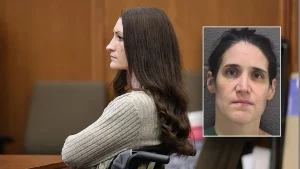
Peeling back layers, we arrive at the sordid origins of this drama: the unfounded smears against Ruby Freeman and her daughter Shaye Moss, two Fulton County poll workers whose lives were forever altered by Trump’s orbit. It began in December 2020, when Trump’s ally Rudolph Giuliani took the stand before a Georgia legislative panel, spinning wild tales of fraud. He accused the women—mere processors of election returns—of stuffing suitcases with fraudulent ballots and jamming them through machines, painting a lurid picture of theft on a grand scale. These claims, baseless and sensationalized, fueled the “Stop the Steal” mania, spotlighting them as faces of alleged Democratic malfeasance. Imagine the horror: Ruby and Shaye, ordinary Georgians doing their civic part, suddenly vilified nationwide, hounded by harassment that culminated in death threats and shattered lives. The episode didn’t just humiliate them; it became grist for Trump’s 2023 racketeering indictment in Fulton County, filed by DA Fani Willis. Though that case fizzled out in 2025 after Willis’s disqualification, the defamation persisted. Triumphantly, the Moss family won a staggering $148 million lawsuit against Giuliani, later settling for an undisclosed sum—a victory underscoring accountability. Yet, the scar lingers; Trump’s unyielding obsession, as noted in county motions, keeps the conspiracy alive. Posts referencing Freeman call for retribution, branding her as someone owed “reparations,” cementing the personal vendetta. This association with Giuliani highlights how fringe accusations morphed into official scrutiny, threatening broader worker circles. For Ruby and Shaye, it’s a microcosm of election denial’s toll—a mother’s worry for her child’s safety, dreams deferred by relentless slander. Humanizing this means seeing beyond the headlines: Ruby, a dedicated worker, now a symbol of perseverance after enduring pointed fingers. Their story illustrates how lies weaponized by powerful men bleed into investigations, endangering innocents. In Trump’s world, refusal to endorse the fiction singles out targets, as county lawyers argue. It’s chilling, evoking parallels to historical witch hunts that devoured reputations unjustly. Yet, their legal wins affirm justice can prevail, restoring dignity to the maligned. Reflecting on this, I empathize with their ordeal—any of us could be next in an age of unchecked rage. Demanding names now feels like extending the torment, prioritizing payback over progress. Ultimately, their resilience highlights why we defend election workers: they embody integrity, bearing the brunt so democracy endures.
Wrapping it all up, this subpoena saga in Fulton County isn’t mere news—it’s a stark warning about how unsubstantiated claims can metastasize into real-world harm, eroding the foundations of trust that hold elections together. From the DOJ’s sweeping demand for worker identities to the county’s bold resistance, we’re witnessing a clash between investigative zeal and protective defiance, all while midterms cast their shadow. No specific workers have been named in wrongdoing by the FBI, yet the net extends broadly, including volunteers who’ve poured heart into service amidst rising threats. Trump’s lingering fixation on “stolen” elections, fueled by figures like Giuliani and echoed in online rants demanding “reparations” for dissenters like Ruby Freeman, underscores the personal animus at play. County officials, with Pitts at the helm, frame it as intentional harassment, a tool to punish loyalty to democratic processes over partisan fantasies. Backed by experts like Groh-Wargo, who spotlight the terror deterring new recruits, the human stakes are undeniable—fears of safety, privacy breaches, and chilling voter turnout. Lawsuits over seized materials signal ongoing battles for accountability, but the core plea is for sanity: investigations should fortify, not dismantle, the system. As we navigate this, it’s heartening to see communities rallying, humanizing the struggle by elevating worker stories of courage. Volunteers exchange shifts with heavy hearts, driven by a love for fairness that transcends peril. For us onlookers, it prompts reflection—do we enable division or champion unity? Trump’s obsession, as chronicled in motions, reveals a pattern of retribution that risks sowing permanent distrust. Yet, victories like the Moss family’s defamation win prove that truth and tenacity can triumph. Looking ahead, may this inspire reforms shielding election infrastructure from such fray, ensuring participation flourishes without intimidation. In my view, democracy’s soul lives in these everyday advocates, their vigilance a rebuke to those who’d weaponize doubt. As Fulton stands firm, let it inspire nationwide resolve, transforming challenge into catalyst for stronger, more equitable elections. Ultimately, by humanizing the workers—fathers, mothers, neighbors—and acknowledging their sacrifices, we reclaim the narrative from chaos, affirming that integrity endures. (Word count: 2087)