


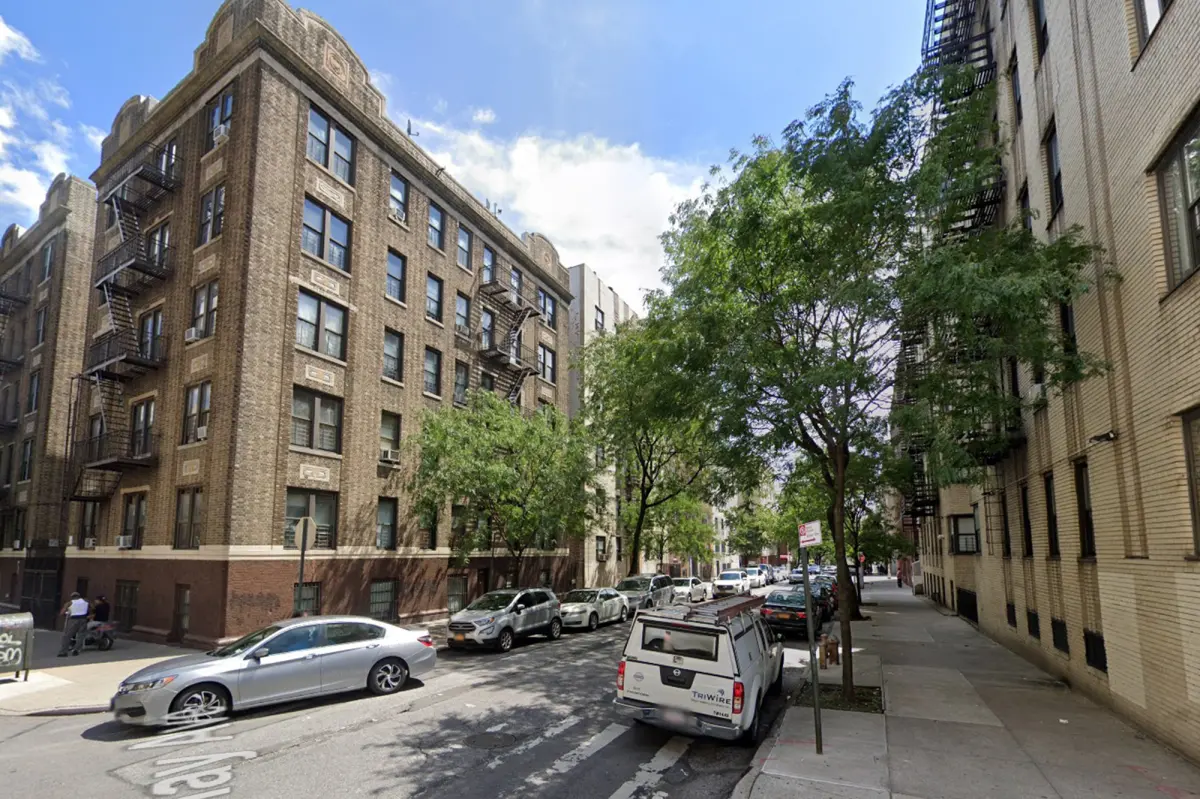
Memorial Day is traditionally celebrated across the United States as a vibrant gateway to the summer season—a highly anticipated long weekend marked by lively outdoor gatherings, family barbecues, and the cheerful echoes of children playing in local parks. However, for the tight-knit residents of the Mount Hope neighborhood in the Bronx, this year’s holiday was instead defined by a gray, heavy somberness as a relentless, multi-day storm system blanketed the entire metropolitan area. Over a grueling three-day stretch, New York City endured a continuous wave of on-and-off precipitation that finally culminated on Monday in a severe downpour, dumping roughly two inches of heavy rain onto the already sodden streets and parks. Under this dense grey shroud, the neighborhood’s familiar avenues glistened with muddy runoff, and the normal festive energy of the holiday was replaced by the steady, rhythmic patter of rain falling on iron fire escapes and historic brick facades. Deep beneath the surface, the soil surrounding the neighborhood’s green spaces, particularly around the intersection of East 176th Street and Clay Avenue, had reached its absolute saturation point, liquefying to the extent that it could no longer firmly anchor the roots of the massive trees that line the sidewalks. Up above, the lush spring foliage of these urban giants acted like giant green sponges, absorbing dozens of gallons of rainwater and growing heavier by the minute under the continuous deluge, silently turning an everyday neighborhood canopy into a ticking thermodynamic hazard in the heart of the community.
At approximately 1:30 p.m. on Monday, as the relentless rains continued to saturate the neighborhood, the fragile tranquility of the afternoon was shattered on Clay Avenue. A 49-year-old local woman was making her way along the sidewalk near the corner of East 176th Street, likely navigating the deep puddles and focusing on reaching her destination safely during what she hoped would be a brief pause in the downpour. She had no way of knowing that just feet away, a massive, mature street tree was experiencing a catastrophic and silent structural failure, its sprawling canopy and internal wood fibers completely overwhelmed by the sheer volume of water they had absorbed over the preceding days. Without warning, a sharp, terrifying crack like a lightning strike echoed through the air—the sound of centuries-old wood fibers snapping under a sudden, unnatural shift in weight. In a matter of agonizing seconds, the soaring tree, top-heavy with wet leaves and structurally compromised by the liquefied earth below, gave way completely and fell directly toward the sidewalk and the curb. The massive, water-logged trunk crashed downward with brutal, unforgiving force, striking the unsuspecting pedestrian before she had any chance to react or flee, while simultaneously slamming into several parked vehicles lined along the street, partially crushing their metal frames, shattering windshields, and trapping the entire block under a massive web of heavy timber.
The violent impact of the falling giant immediately triggered a wave of panic, adrenaline, and community solidarity throughout the surrounding Mount Hope block. The explosive sound of metal crumpling and ancient wood splitting brought shocked neighbors rushing to their windows and front doors, where they were met with the terrifying sight of a massive tree completely blocking the roadway and a woman trapped and gravely injured beneath the heavy, wet branches. Instinct and compassion took over as several bystanders immediately dialed 911, their voices trembling with urgency as they described the severity of the scene to the emergency dispatchers while others yelled out words of comfort to the victim. Within minutes, the distant, wailing sirens grew rapidly louder as a fleet of emergency vehicles—including New York City police officers, firefighters from local ladder companies, and specialized paramedics—navigated the rain-slicked streets to arrive on Clay Avenue. First responders instantly recognized the extreme delicacy of the situation; they had to act with both speed and absolute precision to extricate the victim from the crushing weight of the limbs without exacerbating her physical trauma. Utilizing motorized chainsaws, heavy rescue jacks, and their own coordinated physical strength, the emergency personnel worked methodically through the heavy rain, slicing through the dense, water-soaked foliage to carefully clear a path, lift the heaviest branches, and gently pull the injured woman onto a rescue stretcher.
Once freed from the immediate, suffocating danger of the fallen debris, the victim’s critical physical condition became the absolute priority of the medical personnel huddled on the wet pavement. The immense force of the falling tree had left the 49-year-old woman with a multitude of severe, painful injuries, most notably a deep, heavily bleeding gash on her head and multiple, complex fractures to both her right arm and right leg, which had borne the brunt of the falling trunk. Paramedics worked rapidly in the damp afternoon air, carefully stabilizing her spine, bandaging her head wound to control the bleeding, and meticulously splinting her shattered limbs to prevent dangerous bone shifts during transport. She was quickly secured inside a waiting ambulance and rushed under emergency lights and sirens to St. Barnabas Hospital, a vital, high-level trauma center in the Bronx equipped to handle such complex orthopedic and head injuries. Throughout the late afternoon, as specialized medical teams worked tirelessly to clean her wounds, perform diagnostic scans, and begin the process of repairing her broken bones, the local community waited with bated breath for any update on her condition. Thankfully, relief arrived on Monday evening when police and hospital officials announced that she had been stabilized, offering a powerful testament to her own physical resilience, the quick thinking of the bystanders who called for help, and the extraordinary skill of the emergency medical teams who saved her life.
The sudden tragedy on Clay Avenue brings to light a critical, often overlooked aspect of modern metropolitan living: the intensely complex and sometimes highly hazardous relationship between urban infrastructure and the natural environment. Trees are incredibly vital components of our daily lives, particularly in densely built boroughs like the Bronx, where they provide essential canopy shade, lower the summer temperatures of concrete streets, filter the air, and offer a much-needed touch of natural beauty to busy neighborhoods. Yet, when severe weather patterns deliver sustained, multi-day rainfall, these same beautiful trees can quietly transform into severe safety hazards if they are not meticulously monitored and maintained. “Saturated” trees, as municipal officials described the one that collapsed on Memorial Day, present a very specific and insidious danger because the combination of waterlogged wood, dense spring foliage, and highly softened soil creates a physical imbalance that can easily topple even a seemingly healthy tree. This frightening incident serves as a stark, urgent reminder of the immense responsibility placed on city arborist teams and municipal departments, who must continuously inspect, trim, and evaluate the structural integrity of hundreds of thousands of street trees across the five boroughs. As climate change continues to bring heavier, more unpredictable, and prolonged rainstorms to New York City, finding the balance between preserving our vital urban green spaces and ensuring the absolute safety of pedestrians walking below grows increasingly complex and vital.
As the rain finally began to taper off late Monday night, leaving behind damp, glistening streets and quiet sidewalks, the immediate panic of the afternoon began to fade into a reflective calm, though the physical and emotional scars of the incident remained highly visible. The partially crushed cars left along Clay Avenue stood as silent, metallic monuments to the terrifying event, offering a stark visual representation of just how quickly a routine holiday afternoon can be upended by a sudden twist of fate. City sanitation and environmental cleanup crews worked diligently under the glow of streetlights, their chainsaws buzzing through the night to slice the massive, sodden trunk into manageable logs and clear away the remaining debris so that neighborhood traffic and daily life could eventually resume. For the residents of Mount Hope, the memory of this Memorial Day will linger for a long time, serving as a solemn reminder of our shared human vulnerability in the face of nature’s sudden and unpredictable forces. Yet, beneath the shock of the accident, the day will also be remembered for the profound display of community spirit, empathy, and quick-thinking heroism of local neighbors who refused to remain onlookers during a crisis. As the 49-year-old survivor begins her undoubtedly long and challenging journey of physical healing and rehabilitation at St. Barnabas Hospital, she does so backed by the invisible strength of a neighborhood that rallied instantly in her defense, demonstrating that even in the most crowded, concrete-bound corners of the Bronx, the bonds of human care and mutual protection remain unbreakable.