


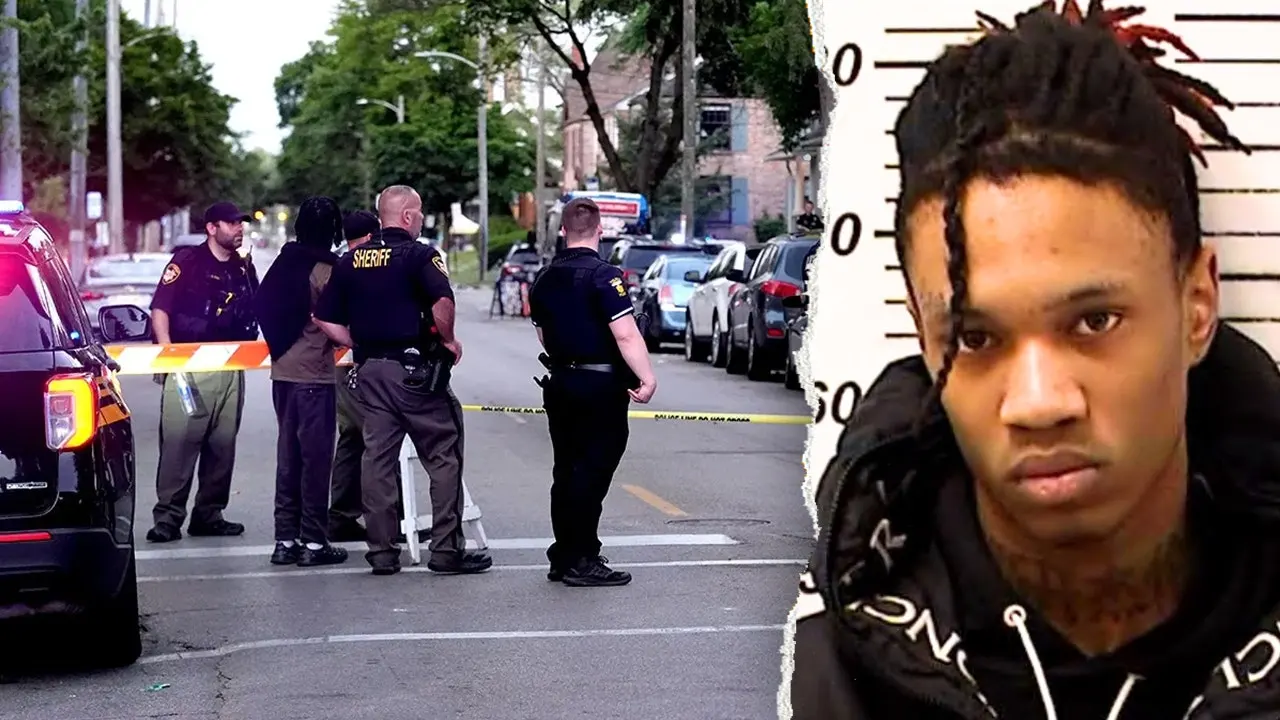
Toledo’s Old West End is a historic American gem, renowned for having one of the largest collections of late Victorian and Edwardian homes in the entire United States. It is a neighborhood defined by its grand, stately architecture, towering green canopies, and a deeply rooted, diverse community spirit that wears its history like a badge of honor. Once a year, this quiet sanctuary of brick streets and historic preservation transforms into a vibrant canvas of life during the annual Old West End Festival. For decades, this beloved weekend event has served as a cultural pilgrimage for residents and visitors alike, a place where local musicians play on sprawling front porches, food vendors fill the warm air with the comforting aromas of funnel cakes and street-side barbecues, and historic homeowners open their doors to share architectural treasures of a bygone era. It is an event designed to celebrate unity, art, and the simple, innocent joy of neighborly connection under the gentle warmth of early June. Yet, on a recent, busy Saturday afternoon, this beautiful tapestry of community life was violently and unexpectedly torn apart. At approximately 5:37 p.m., just as the festival was beginning to wind down and families were enjoying the lingering golden sunlight, the peace of the neighborhood was shattered by the rapid, terrifying pop of gunfire near the intersection of Delaware Avenue and Glenwood Avenue. In a matter of seconds, an atmosphere of collective joy was replaced by a wave of raw, primal panic. The sound of children laughing and music playing was drowned out by screams of terror as hundreds of festival-goers fled for their lives, diving behind historic stone walls, crouching behind parked cars, and seeking refuge wherever they could. This sudden, shocking intrusion of violence did far more than disrupt a summer festival; it breached a sacred community boundary, leaving a traumatic scar on a neighborhood that prides itself on being a safe, welcoming haven for all.
When Toledo Police officers rushed to the chaotic scene, they were met with a landscape of pure devastation and confusion, immediately shifting their roles from law enforcement to emergency life-savers. Scattered across the area were twelve individuals suffering from gunshot wounds, their lives forever altered in a single fraction of a second. The sheer demographic range of the victims highlights the completely indiscriminate nature of the violence that unfolded: the youngest victim was a mere 14-year-old child whose summer vacation had barely begun, while the oldest was a 61-year-old elder, with the majority of those injured occupying the prime of their youth in their early twenties. This wide span of ages serves as a heartbreaking reminder that bullets do not choose their targets; they simply tear through whatever, and whoever, stands in their path. Emergency medical personnel and brave bystanders worked furiously in tandem to administer crucial first aid, applying tourniquets, putting pressure on actively bleeding wounds, and offering whispered words of comfort amidst the overwhelming din of sirens and flashing emergency lights. Thankfully, in a testament to the rapid response of medical teams and the sheer resilience of the victims, all twelve individuals were eventually listed in stable condition at local hospitals. However, while their physical bodies are on the slow path to healing, the psychological toll of surviving such an event is a far heavier cargo to carry. The invisible wounds—the sudden onset of post-traumatic stress, the lingering fear of public spaces, the echoes of gunfire in quiet moments, and the loss of a fundamental sense of safety—will require a different kind of long-term care and collective empathy from the Toledo community as these survivors attempt to reclaim their normal lives.
As the smoke cleared and the initial shock began to crystallize into resolve, the Toledo Police Department, in collaboration with federal partners, launched an aggressive and sweeping investigation to identify and capture those responsible for turning a community celebration into a war zone. Investigators soon focused their efforts on a primary suspect identified as Ka Nye Taylor, a young man who is now wanted on eleven counts of felonious assault. Described as a Black male standing roughly 5 feet 11 inches tall and weighing about 130 pounds, with black hair and brown eyes, Taylor has quickly become the subject of an intense, regional manhunt. However, the complexity of the crime scene and the recovery of multiple calibers of ballistics evidence quickly revealed to detectives that Taylor did not act alone. Authorities soon released a photograph of a second, unidentified suspected gunman, pleading with the public to help unmask his identity before he can cause further harm. According to Deputy Chief Joseph Heffernan, the evidence suggests a reckless and terrifying scenario: rather than a coordinated attack on the public, the shooting was the culmination of a volatile dispute between two rival groups that began as a foot chase and physical assault within the crowds of the festival grounds. “They were probably shooting at each other,” Heffernan noted during a somber press briefing, painting a sobering picture of two factions trading gunfire with a complete and callous disregard for the hundreds of innocent bystanders caught in their chaotic crossfire. This revelation has sparked deep community outrage, as citizens struggle to accept the exhausting reality that petty, localized grievances can so easily escalate into catastrophic public violence, putting the lives of completely uninvolved children, families, and neighbors at extreme risk.
In a concerted effort to break the paralyzing wall of silence that so often shields perpetrators of gun violence in urban areas, authorities have marshaled significant resources to incentivize community cooperation. A combined reward of up to $15,000 has been put on the table, a clear indication of the high stakes and urgency surrounding the active search for these suspects. Crime Stoppers has stepped forward with a substantial offer of $10,000, while the U.S. Marshals Service has contributed an additional $5,000 of federal weight to the reward pool, reflecting the collaborative, multi-agency push to bring these individuals to justice. Law enforcement officials are actively urging anyone who may have witnessed the initial altercation, captured cell phone footage of the foot chase, or possesses any knowledge regarding Ka Nye Taylor’s current whereabouts to bravely step forward and contact Crime Stoppers at 419-255-1111. This push for community intervention highlights a fundamental truth about modern policing and public safety: the police cannot solve these crises in a vacuum, and the ultimate safety of a neighborhood relies on a strong, trusting partnership between law enforcement and the citizens they serve. For many residents, the decision to speak up is not just about assisting the police, but about actively defending their own neighborhood from being hijacked by fear. It is an act of civic courage that says, in no uncertain terms, that the community refuses to remain silent while their streets are turned into battlegrounds, choosing instead to stand shoulder-to-shoulder in the pursuit of accountability.
The emotional epicenter of the community’s response was perhaps best articulated by Lucas County Prosecutor Julia Bates, whose public statements transcended typical legal bureaucracy to address the deep, personal pain felt by Toledo’s citizens. Standing before a weary public, Bates vowed with fierce determination that “justice will be swift and strong,” sending a clear message to the perpetrators that the city would utilize every legal tool at its disposal to hold them accountable. Yet, it was her raw, vulnerable humanity that resonated most deeply with a grieving populace. “Those who were frightened, traumatized or harmed by this violence will remain at the forefront of our efforts,” Bates promised, ensuring that the human victims, rather than just the legal proceedings, would remain the true focus of the ongoing investigation. Speaking from the heart, she added, “I’ve felt outrage before, but this is personal. This is my home. These are my friends and neighbors. It is not OK.” This powerful acknowledgment from a high-ranking public official validated the collective grief and anger of the community, acknowledging that when a neighborhood is violated, it is not merely a violation of the law, but a direct assault on the emotional safety of everyone who calls it home. By framing the tragedy not as an abstract statistic but as a deeply personal affront to her own friends and neighbors, Bates helped to bridge the gap between institutional justice and human suffering, reassuring a shaken public that their leaders were hurting right alongside them.
As Toledo begins the slow, painful process of healing in the wake of this tragedy, the focus inevitably turns toward the future and the long-term steps required to prevent such violence from recurring. Public mass shootings of this nature leave lasting spiritual bruises on a city, forcing communities to balance the desire for open, inclusive public celebrations with the absolute necessity of safety and security. Moving forward, the resilience of the Old West End neighborhood will be tested, but its history of solidarity suggests that the community will refuse to let fear dictate their lives or diminish the vibrant legacy of their beloved annual festival. Conversations are already beginning among city leaders, organizers, and residents about how to safely reclaim their public spaces, improve security measures, and address the systemic issues that lead to localized gun violence among youth. This tragedy serves as a poignant, agonizing warning of the work that remains to be done, but it also highlights the extraordinary strength of a community united in its refusal to be intimidated. While the manhunt for Ka Nye Taylor and his unidentified accomplice continues, the ultimate victory for the people of Toledo will not just be the arrest of those responsible, but the enduring survival of their community spirit. Through mutual support, shared grief, and a steadfast commitment to one another, the residents of the Old West End will continue to stand strong, ensuring that their historic neighborhood remains defined by its warmth, its beauty, and its unyielding sense of home, rather than by a single afternoon of senseless violence.