






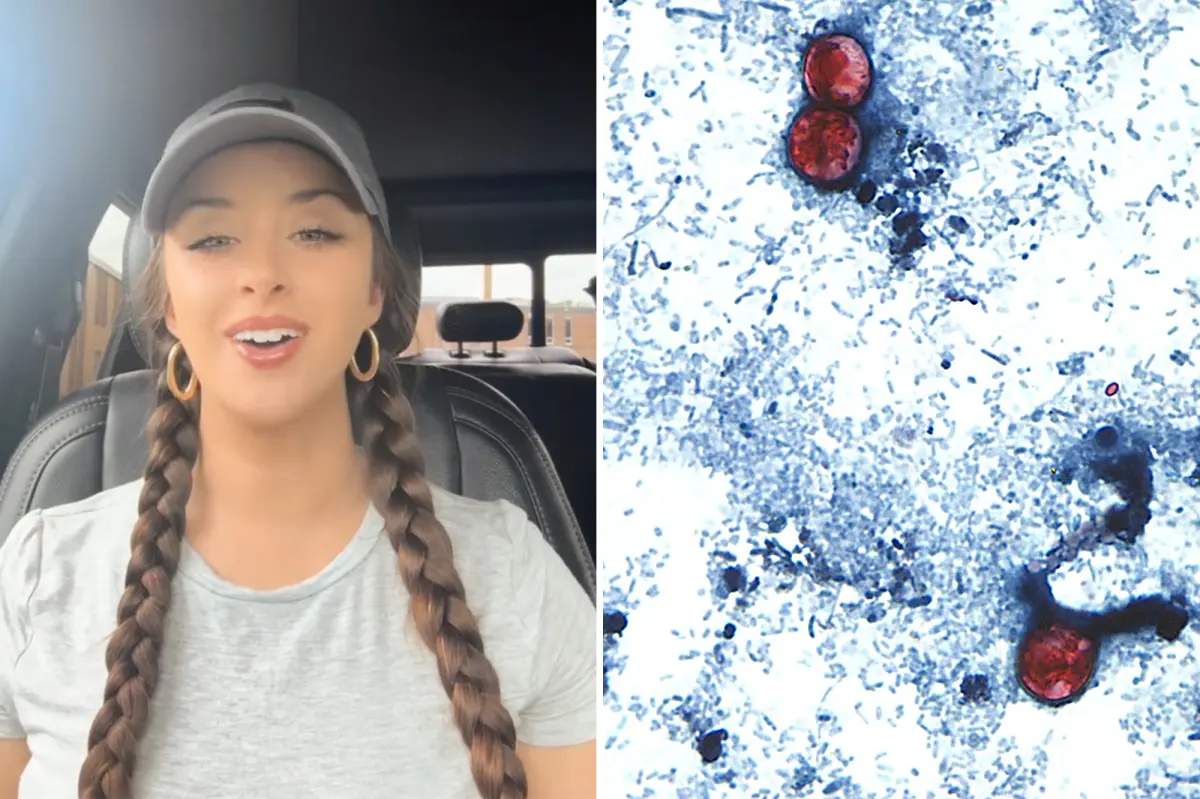
Christina Hart, a vibrant 29-year-old Tennessee resident, had built a thriving career around her passion for food. As the host of “The Locally Owned Series” on TikTok, she spent her days exploring culinary gems, tasting diverse dishes, and sharing her enthusiastic reviews with a growing community of nearly 160,000 loyal followers. For Christina, food was not just sustenance; it was a source of joy, connection, and creative expression. However, this bustling, food-centric life was brought to a sudden, agonizing halt when she fell victim to a mysterious and incredibly aggressive illness. What she initially dismissed as a standard, albeit severe, bout of food poisoning or a routine stomach virus quickly spiraled into a grueling physical ordeal that completely derailed her daily life and left her trapped in her own home, wondering if she would ever regain control of her body.
The reality of what Christina was facing was far more complex and devastating than a typical 24-hour bug. She had contracted cyclosporiasis, a severe infection caused by the microscopic parasite Cyclospora cayetanensis, which targets the intestinal tract. As the days stretched into weeks, the physical toll on her body became terrifyingly apparent. Christina endured a relentless onslaught of gastrointestinal distress, characterized by what she and medical experts describe as “explosive diarrhea.” The constant illness made it virtually impossible to keep food down, leading to severe bloating and a dramatic, unintended weight loss of seventeen pounds in less than a month. It was only after suffering through a full week of these agonizing, stomach-churning symptoms that Christina noticed national news headlines warning of a parasite outbreak. Recognizing her own symptoms in the reports, she went to her doctor and specifically requested to be tested for cyclosporiasis. When the results came back positive, it confirmed her worst fears about the severity of the microscopic invader ravaging her system.
Beyond the physical exhaustion and rapid weight loss, the psychological and emotional impact of the parasitic infection was deeply isolating. For nearly a month, Christina’s world shrunk to the immediate vicinity of her bathroom. She described the experience as an exercise in sheer misery, defined by a terrifying loss of control over her own bodily functions. This unpredictability fostered a deep-seated anxiety, making her feel too afraid to venture out in public or participate in any activities that took her more than a few steps away from a restroom. The simple, everyday freedom of walking through her neighborhood, running errands, or visiting friends was completely stripped away, replaced by a constant, paralyzing fear of an embarrassing public emergency. This forced confinement took a heavy toll on her mental well-being, transforming her usually outgoing and independent personality into one ruled by apprehension and vulnerability.
For a social media content creator whose career relies on consistency, public interaction, and visiting crowded local restaurants, this prolonged sickness presented a major professional crisis. Having to abruptly pause “The Locally Owned Series” was deeply discouraging for Christina, who found the sudden halt to her creative outlet and the isolation of her illness to be profoundly depressing. Explaining a highly sensitive and unglamorous digestive illness to a massive online audience is a daunting prospect for any influencer, yet Christina chose to embrace radical honesty. When concerned followers noticed her absence and began reaching out to ask where she had gone, she decided to be completely transparent about her battle with the parasite. To her surprise, this vulnerability resonated deeply with her audience. Rather than alienating her viewers, her candidness humanized her, fostering a wave of empathy and support that ultimately boosted her engagement and opened unexpected new doors for her career.
Christina’s individual suffering is a deeply personal reflection of a much larger, alarming public health threat that has been quietly sweeping across the United States. The Centers for Disease Control and Prevention (CDC) has officially documented over 10,000 lab-confirmed cases of cyclosporiasis nationwide, though health officials estimate the true number of infections is likely closer to 22,000 due to underreporting and differing diagnostic protocols across various states. The outbreak has had severe consequences, including the tragic deaths of two individuals in Michigan, which has emerged as one of the hardest-hit regions. This particular foodborne illness is heavily associated with contaminated fresh produce, with investigators pointing to tainted iceberg lettuce as a primary culprit in many of these cases. This widespread contamination serves as a sobering reminder of how easily microscopic pathogens can infiltrate the food supply chain, transforming ordinary, healthy ingredients into sources of severe, weeks-long biological distress.
Today, after nearly four weeks of intense physical struggle, Christina has finally made a full recovery and reports that she feels fantastic, healthy, and completely back to normal. Looking back on the grueling experience, she is quick to warn others about just how incredibly uncomfortable and disruptive the parasite can be, but she has also found a way to look at her ordeal with a sense of profound gratitude. While she genuinely hated every moment of being sick, she recognizes the unexpected blessings that emerged from her time of vulnerability. By sharing her story openly and without shame, she succeeded in putting a highly relatable, human face on a terrifying public health statistic, raising vital awareness about food safety while forging a much deeper, more authentic connection with her online community.