




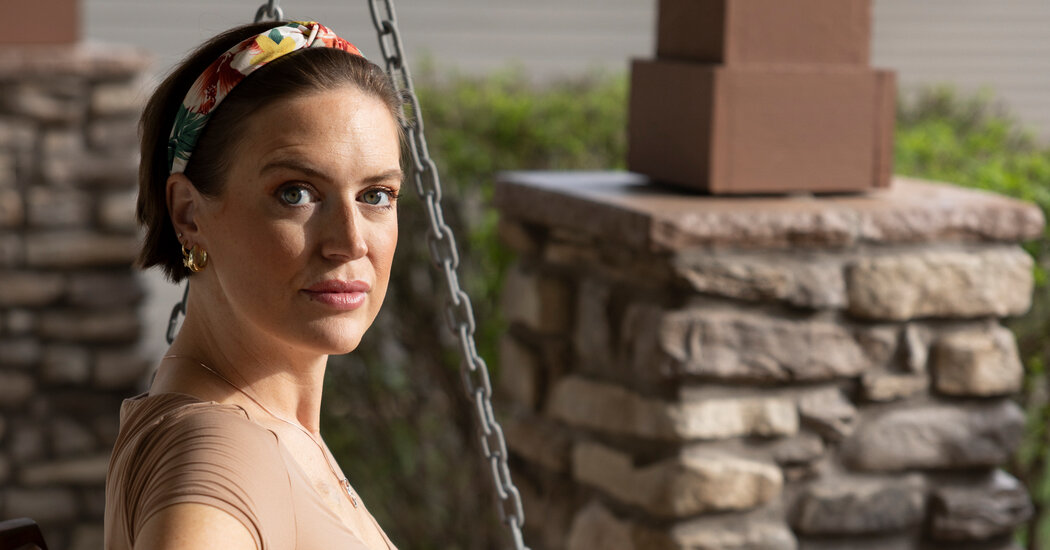
On a scorching August night in 2024, just moments before Robert F. Kennedy Jr. took the stage at a buzzing rally in Arizona to endorse Donald Trump before a sea of cheering supporters, a young conservative wellness podcaster named Alex Clark found herself backstage, heart pounding with excitement. This wasn’t just any politician; it was the man who had inspired her passions for real food and honest talk about big pharma’s grip on health. In a quick chat, she leaned in and said, “Mr. President, please keep talking about food and pharma; it really resonates with undecided female voters.” Watching Kennedy and Trump clasp hands, shaking on a shared vision, Clark felt an electric thrill she later described as the pinnacle of her life—a moment of pure belief in change. But fast-forward nearly two years, and the infectious energy of the Make America Healthy Again (MAHA) movement, which sprang from that endorsement, has flickered for many. Clark, now a key voice in this grassroots force tied to Kennedy’s ideals, worries openly that the mostly white, female base—women who packed rallies out of fear for their families’ futures corrupted by chemicals and mandates—might just sit out the 2025 elections, too disillusioned to vote at all. She voices her frustration bluntly: Republicans would be downright foolish to let these passionate souls slip away. Other MAHA leaders, with millions of followers across social media, echo her in candid talks, revealing a deep sadness among supporters who saw Kennedy as a beacon against corporate profiteering and government overreach. They’re drawing a line: these voters don’t pledge allegiance to party platforms; they’ll back real actions, not hollow promises. It’s a poignant reminder of how personal health battles have morphed into a political awakening, leaving many feeling orphaned by both sides. For Clark, reliving that rally stirs memories of her own journey—growing up in a world where processed foods and pharmaceuticals seemed inescapable, only to find a community in MAHA that felt like family, united against invisible threats. Yet now, the group’s ambitions feel threatened, as if the fire that ignited it is sputtering under unmet expectations.
The MAHA movement didn’t burst into existence overnight; it’s a patchwork quilt of long-standing advocacy groups stitched together by shared doubts and dreams. Long before Kennedy dubbed it with a nod to Trump’s “Make America Great Again,” these clusters operated in the margins: vaccine skeptics rallying against mandates under the “health freedom” banner, wary of how laws seemed to prioritize profits over personal choice; farmers and advocates championing regenerative practices, battling the creep of pesticides that they say poison our soil and bodies; and enthusiasts of organic eating, who reject the lure of convenient, chemical-laden foods for something purer. At the heart of it all is Kennedy, a charismatic figure whose own struggles with health and lawyering have made him a relatable icon for many. This loose coalition, bound by suspicion of industry giants—Big Pharma and agribusiness—that they believe conspire with neglectful governments, thrived on Kennedy’s vision of empowerment. Leaders like Zen Honeycutt, who founded Moms Across America, describe it as organic, grassroots, not dictated from above—a populist wave where everyday people, tired of feeling powerless against systemic poisons, found their voice. For Leslie Manookian, a former Wall Street whiz turned homeopathy advocate, MAHA embodies a shift away from blind trust in institutions toward self-reliance and transparency. In their stories, you hear the human side: Honeycutt talks of sleepless nights worrying about her kids’ exposure to toxins in everyday products, channeling that fear into advocacy that feels like protecting her own home. Manookian shares tales of her corporate days, where the pressure cooker of deadlines clashed with emerging doubts about the drugs pushed on her family, leading her to build a community of dissenters. This evolution isn’t just policy; it’s personal, a reclamation of autonomy in a world where big decisions once felt out of reach, now woven into friendships and shared struggles.
Yet, beneath the once-united front, cracks have widened, fueled by frustrations that hit close to home for MAHA’s faithful. Vaccine doubters gripe that the White House under Trump appears to be silencing Kennedy on what was his defining crusade—questioning mandates and shots they see as overreaching government intrusion. Meanwhile, food advocates, thrilled by Kennedy’s “Eat Real Food” push celebrating red meat and shunning ultra-processed junk, feel blindsided by Trump’s executive order in 2024 ramping up glyphosate production—the controversial ingredient in Roundup weedkiller, which studies suggest links to cancer. They view it as a betrayal, prioritizing national security and munitions over public health, clashing head-on with MAHA’s ethos. Wellness influencer Dr. Casey Means, a MAHA darling who preaches diet as medicine against chronic ills, teeters on the edge of Senate confirmation as surgeon general, her nomination stalled despite broad support from the base that sees her as incorruptible. Influencers like Vani Hari, the “Food Babe,” express heartache over the cognitive dissonance: celebrating real food while it’s doused in Roundup feels like a cruel joke, eroding trust. Hari, recounting her own battles with misinformation and corporate backlash, admits the movement’s “garbage in, garbage out” reality leaves supporters feeling disoriented. Clark warns that this turmoil has drained the voters’ spark—once fired up by Kennedy’s promises, now questioning if their voices matter. She paints a vivid picture of friends and followers, once vibrant with purpose, now retreating into apathy, their enthusiasm traded for exhaustion. The glyphosate drama will culminate on a Monday outside the Supreme Court, where leaders rally in “The People v. Poison,” protesting a case pitting a cancer-stricken man against Bayer, Roundup’s maker, with the administration siding against warnings. It’s not just policy; it’s a gut-wrenching reflection of lives altered—people like Hari who battled illness from hidden toxins, or Clark navigating her own wellness journeys amid the chaos. This disillusionment underscores a deeper human cost: loss of hope in a system that seems rigged, leaving believers feeling like their advocacy might have been for naught.
Sensing the opening, some Democrats are extending olive branches, recognizing MAHA voters as a bridgeable gap in narrow races. Senator Cory Booker, though he clashes with Kennedy on vaccines, has long championed pesticide-free foods and filed a supportive brief in the glyphosate lawsuit, showing willingness to align on shared grounds like safer agriculture. Democratic pollster Celinda Lake calls MAHA’s “Organic Moms”—those drawn by wholesome eating—as a natural fit for her party, faulting Democrats for neglecting them since 2024, allowing Republicans to swoop in. She urges seizing the moment to engage, highlighting how these independents, tepid on vaccines but fervent about food purity, could tilt close contests. Representative Chellie Pingree, an organic Maine farmer and chemical foe, echoes this, criticizing colleagues for missing the pesticide and health food beats that Trump and Kennedy roped into their campaigns—issues that her own life experiences with farming’s tolls have etched into her advocacy. Pingree will speak at the Supreme Court rally, co-authoring a piece on banning chemicals in food with MAHA’s “Glyphosate Girl,” Kelly Ryerson. The White House, not blind to the risk, invited influencers like Clark and Ryerson for an Oval Office sit-down with Trump, where they pushed Dr. Means’s confirmation and brainstormed messaging—Clark stressing her trustworthiness to the base. But uncertainty looms: key Republicans on the health committee haven’t endorsed her, potentially sabotaging MAHA’s momentum. These maneuvers reveal Democrats’ pragmatic side—Booker and Pingree disputing claims of partisan walls, citing real outreaches to Kennedy on initiatives like “food as medicine.” It’s a human chess game, where personal motivations—Booker’s own stories of community health struggles or Pingree’s farm-rooted empathy—drive the push to rekindle lost alliances. For MAHA loyalists, it’s bittersweet: validation that their concerns matter, yet a reminder of political divides that feel insurmountable without genuine, across-the-aisle dialogue.
To grasp the human face of this turmoil, consider Tricia Busch, a former Iowa teacher whose story mirrors countless MAHA voices. At 35, surviving two bouts of cancer and now in remission from non-Hodgkin’s lymphoma linked to glyphosate exposure in her farming-centric state, Busch embodies the movement’s raw heart. A Democrat by registration, she met Kennedy during his 2024 Iowa swing, wheelchair-bound, morphine-dependent, and paralyzed from a stem-cell transplant that saved her. His words ignited hope: “MAHA speaks to people like me, Poisoned by big companies.” She poured dream into it, believing in a healthier path for her three young kids. But Trump’s glyphosate order shattered that faith, echoing Kennedy’s early defense of toxins as necessary evils. Busch felt personally betrayed, her trust eroded like the soil she once trusted for food. Now a “political orphan,” she directs energy into backing Republican gubernatorial candidate Zach Lahn, a MAHA-endorsed farmer, seeing him as real ally against poisons. Her journey, from Obama’s unfulfilled GMO labeling promises (capped by the “DARK Act” ridiculed by advocates) to this crossroads, reveals deeper Democratic estrangements—rooted in felt abandonment during eras of broad health promises unmet. Busch’s tale isn’t isolated; it’s a chorus of disillusionment, where personal battles with illness and deceit fuel a search for authentic representation beyond party lines. Friends like Vani Hari, a past Obama delegate, thank Trump for select health picks but refuse lifelong loyalty, decrying it as “servitude.” This personal pivot underscores MAHA’s fluid identity: voters voting for actions, not affiliations, driven by visceral experiences of harm from unseen threats.
As the MAHA movement wrestles with its future, the PAC led by Kennedy ally Tony Lyons pushes aggressively, aiming to raise $100 million for “MAHA-aligned, Trump-endorsed” Republican candidates—already advancing that from early gains, including challenges in Senate races. Lyons defends the partisan lean, citing Democrats’ reluctance to collaborate, while MAHA boosters insist flexibility. But ethics swirl: Kennedy testified amid PAC donor conflicts, labeling it a “moral mess” by critics like Senator Chris Murphy. Defenders like Del Bigtree argue Kennedy navigates tough terrain, doing his best amid rifts. Hari worries the coalition’s position, avoiding criticism to protect influence. Ultimately, MAHA’s core—health freedom, clean food, anti-pesticide stances—promises endurance, even if the name fades. Yet voter enthusiasm wanes; Clark fears apathy at polls, as supporters see futility in both parties. Democrats must court “Organic Moms” earnestly, or risk permanent loss, per Lake. This saga of ideals colliding with reality, personal stories layered with policy betrayals, hints at broader shifts: a populace demanding transparence in an era of hidden dangers, where movements like MAHA humanize politics into fights for genuine well-being. Whether it survives as a force hangs on bridging divides, turning disillusionment into renewed action. For figures like Busch and Clark, it’s clear— the true health of America depends on honoring voices shaped by real pain and hope, not just power plays. In the end, MAHA’s legacy might redefine elections, reminding us that polarized times breed unlikely heroes in the quest for safer lives.