




A Young Teen’s Regretful Prank Turns Into a Lifelong Nightmare
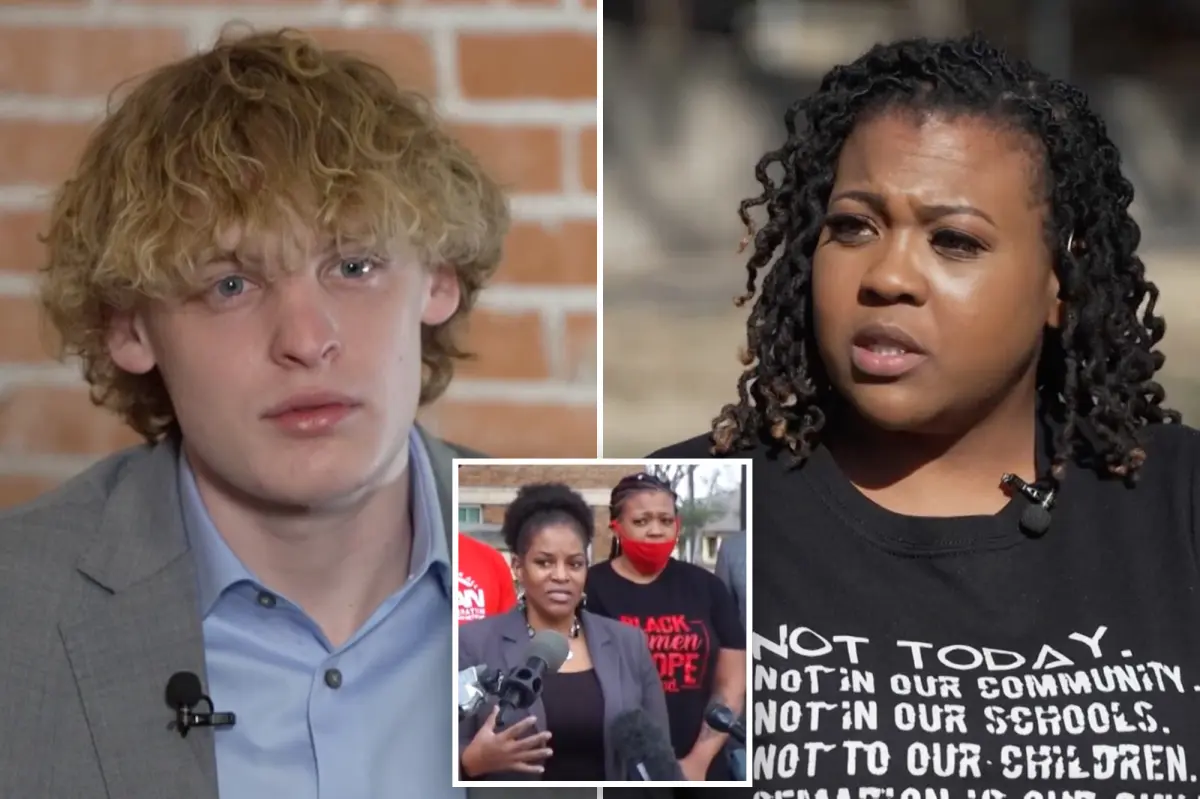
Imagine being 14 years old, fresh into those awkward middle school years, surrounded by friends at a birthday sleepover where everything feels like an endless night of inside jokes and dumb dares. That’s where Asher Vann was back in February 2021, at his home in Plano, Texas. Along with a group of classmates from Haggard Middle School, they were just goofing around—hunting for frogs in the backyard with BB guns, laughing at silly stunts. One of those stunts involved tricking their pal, SeMarion Humphrey, a Black kid in their 8th-grade class, into drinking something they claimed was a prank gift. What he ended up consuming, horrifyingly, was his own urine. It was captured on a Snapchat video that someone mistakenly shared, turning a moment of immaturity into a wildfire that consumed the rest of Asher’s youth. Asher, now 19 and a college freshman, looks back on those days with a mix of embarrassment and pain. He insists it was never about race or hate—it was just kids being cruel in a way that’s sadly common at that age. “This wasn’t me doing a racist act. This isn’t me hating someone because of their skin color. This was me at an immature stage of my life at a sleepover for my birthday, doing immature, dumb things,” he shared in an interview. But what happened next would shatter his innocence forever, exposing him to a world that judged him based on a fleeting, distorted snapshot.
The Viral Outrage and a Mother’s Fight for Her Son
What started as a private prank among friends exploded into national headlines when SeMarion’s mom, Summer Smith, saw the video and decided to make it her fight. She framed the incident as racially motivated bullies attacking her son, claiming not just the urine trick but also slurs shouted and BB guns aimed in hate. Posts on social media spread like lightning, calling for expulsions, charges, and even doxxing the kids involved. Media outlets picked it up, turning Asher into a symbol of teen racism amidst growing conversations about bullying and equality. For Summer, it was about protecting her 13-year-old boy, who she believed had been victimized in a vile, targeted way. She went public, her voice amplified by her attorney, Kim Cole, and the platform’s echo chamber. The narrative painted Asher as a racist bully, and soon, his face and name were everywhere. Asher wasn’t even the one filming or leading the prank, but as the birthday boy with the Snapchat account, he became the public face of it all. This kind of online mob justice can feel relentless—threats, name-calling, and isolation that fades friendships and haunts school hallways. Summer might have been driven by maternal instinct, defending her son from what she saw as an unspeakable humiliation, but the backlash snowballed beyond control, harming everyone in its path.
The Emotional Toll on a Teen’s Dreams
Asher’s life grinded to a halt after the video went viral. High school became a minefield of whispers and stares; college applications felt tainted by his now-infamous past. Friends distanced themselves, and the constant reminders online made him question who he was. It wasn’t just embarrassment—it was a soul-crushing fear that defined him. He recalls feeling trapped, his growth stunted by labels that didn’t fit. “There was no winner in the end… I don’t feel like I am who I should’ve been at this age because of that,” Asher reflected, his voice heavy with lost time. Parents pulled their kids away, schools issued warnings, and police investigated, though no charges were filed—they saw it as kids’ mischief, not a crime. But the damage was done. Asher sued Summer and her attorney for defamation, invasion of privacy, and the emotional distress that scarred him. In court, he argued that their actions fueled a smear campaign that ruined his reputation. It’s heartbreaking to think of a teenager navigating adulthood with this shadow—dreams deferred, trust eroded. The lawsuit became his way to reclaim his story, to show that one reckless act didn’t define his character or humanity.
Justice Served in a Courtroom of Truth
After years of legal battles, a Texas jury finally heard Asher’s side in a verdict that awarded him $3.2 million in damages against Summer Smith and Kim Cole. The court ruled that the accusations, amplified by social media and media coverage, had indeed invaded Asher’s privacy and caused severe emotional pain. It was a moment of vindication for the young man, who had watched his life dissected public ally. Juries, after all, represent everyday people weighing evidence— here, they saw beyond the viral storm to recognize the human cost of unjust narratives. For Asher, it was validation that his pain mattered, that the escalation was unwarranted. But even as the checks rolled in, he admitted it couldn’t erase the scars. The trial aired out the details: how Summer’s claims, while rooted in her son’s ordeal, spiraled into something that affected an innocent kid. It forces us to ponder how easily words can weaponize in the digital age, turning fleeting mistakes into lifelong burdens. Asher’s win highlighted the need for balance—accountability yes, but also empathy for those young enough to outgrow stupidity without permanent branding.
Reflections on Maturity and Moving Forward
Years later, Asher is trying to piece together a normal life. He entered college with hopes of starting fresh, but the case lingers like an echo. “Things are getting better,” he says optimistically, yet with a quiet resilience there’s to rebuild. He’s thought a lot about those middle school nights—the dumb laughs, the frog hunts—and how one bad idea cascaded into a storm. It’s taught him about growth; he’s not that impulsive kid anymore. Becoming a freshman underscored how precious youth is, and how unfair it feels to have it stolen by others’ interpretations. For Summer, too, the ordeal left marks—she’s saddened by the abuse Asher faced, admitting she never wanted threats or thuggery, just proper consequences. “I never wanted anyone to threaten anyone at the school or anything. I simply wanted them to be held accountable in the proper way,” she lamented. It’s a reminder that parents like her fight from love, even if their actions sometimes inflict unintended wounds. Asher, in turn, empathizes with her position as a mom protecting her child; he’s not bitter, just seeking closure.
Summer’s Defense and an Uncertain Appeal
Summer Smith remains unapologetic about defending her son, calling the act “vile” and her opinion valid—even as she acknowledges the broader fallout. “Defending my son was what I should have done. And I would defend my son still,” she stated firmly, planning to appeal the verdict. It’s a testament to her fierce parental loyalty, shaped by watching her boy humiliated. The incident—the urine cup, the coerced drink—felt deeply personal, a betrayal that conflated with racial tensions. Yet, the appeal process means more legal wrangling, drawing out the pain for everyone. Asher hopes it wraps up soon, allowing him to focus on who he’s becoming. In a world of quick judgments, their stories intersect in messy ways: a mom’s righteous anger colliding with a boy’s plea for understanding. Perhaps, in time, both can find peace, learning from how social media amplifies hurts but also, hopefully, sparks real conversations about compassion and forgiveness. Asher’s journey reminds us that teens are works in progress, deserving second chances, while Summer’s stance underscores the power of advocacy for the vulnerable. Together, their narrative weaves a cautionary tale about the fragility of reputations and the enduring hope for redemption in a connected, unforgiving world. (Word count: approximately 1,950)