



The Burden on California’s Heartbeat
Imagine owning a small coffee shop in downtown San Francisco, the kind where regulars come in for morning lattes and stories, and you’ve poured your life savings into it. You’ve kept it afloat during the tough COVID-19 shutdowns, turning off lights early each night to save on bills, all while wondering if tomorrow will bring enough customers to pay your loyal barista’s wages. Now, picture the government handing you a bill for $20 billion in unpaid unemployment insurance debt—a mess created by higher-ups who chose to spend federal stimulus money on big infrastructure projects instead of settling what states like yours owed. That’s the reality facing millions of Californians, as State Senator Brian Jones, a Republican leader from the Central Valley, steps up to fight for relief. In a joint resolution with fellow GOP senators, he’s urging Congress to halt looming federal payroll tax hikes that would slap businesses with an extra 5.2% on employee wages—nearly nine times higher than debt-free states. These taxes, tied to the state’s unpaid unemployment debt accrued during the pandemic, threaten to squeeze small shop owners like you, who dreamed of growing your business into a community staple. Jones isn’t just pointing fingers; he’s highlighting how this “passing of the buck” by Governor Gavin Newsom and Democratic lawmakers leaves everyday entrepreneurs footing the bill for decisions made in Sacramento’s ivory towers. As he put it, “Every other state paid down its debt, but not California.” It’s a cry for fairness from a man who grew up in rural California, understanding the grit it takes to run a family farm or a local diner, and now watches as these businesses that “survived shutdowns, kept employees on payroll, and held their communities together” face extinction. This isn’t just about numbers; it’s about the human stories of resilience turning into despair, with families relying on these jobs for groceries, school supplies, and a sliver of normalcy after years of uncertainty.
The raw impact of this debt hits hardest at the ground level, where payroll taxes aren’t abstract bookkeeping entries but life-altering hikes. Employers across California are bracing for an additional $42 per employee this year in federal taxes, a figure that could balloon to beyond $400 annually if the debt lingers unpaid. For a mom-and-pop bakery employing a handful of workers baking sourdough every dawn, this could mean cutting hours or layoffs—negatives that ripple through a family’s finances like a bad storm. According to the California Business Roundtable, these hikes represent the “greatest hidden tax” because they lurk in the background, silently eroding profits without the fanfare of budget battles. Rob Lapsley, the group’s president, warned KCRA News that without intervention, penalties could cripple operations, forcing owners to choose between raising prices (chasing away regulars) or slashing staff. Picture a restaurant owner who sacrificed personal savings to support employees during shutdowns, only to face this tax as a final insult. This burden extends beyond business closures; it affects communities dependent on local survivors like neighborhood salons or auto shops. Jones argues that Congress should consider suspending these increases when a state’s own policies—such as forced business closures during COVID or lax oversight on claims—created the fiasco. It’s a plea rooted in empathy, acknowledging that entrepreneurs aren’t faceless entities but real people with mortgages, kids’ college funds, and dreams deferred by bureaucracy. In a state as diverse as California, with its tech giants and vineyards, the small businesses forming 99.8% of all enterprises and supporting 7.6 million jobs become the unsung heroes holding things together. This tax hike doesn’t just pad government coffers; it chips away at the social fabric, making it harder for innovators to thrive and for employees to imagine a stable future.
Small Businesses: The Unsung Heroes Bearing the Brunt
Diving deeper into the small business world, Jones’ office paints a picture of fragility and fortitude. These aren’t multinational corporations with deep pockets; they’re the corner stores and family-owned farms that define California’s charm, employing legions of people from diverse backgrounds—immigrants starting anew, single parents juggling shifts, and young workers aspiring to buy homes. Accounting for nearly 100% of the state’s business landscape by sheer numbers, these enterprises generate the majority of jobs, yet they’re disproportionately hit by this debt-fueled tax. A small manufacturing firm in Orange County, run by a second-generation owner who invested everything in workers, now stares down payroll deductions that could mean trimming the team he views as extended family. The extra 5.2% federal tax isn’t spread evenly; it’s concentrated on these vulnerable players, potentially leading to reduced wages, delayed expansions, or even shutdowns. Jones doesn’t mince words: businesses that bent over backward to “keep employees on payroll and hold communities together” are now punished for a governor’s misprioritization. Imagine the emotional toll—a local bookstore owner, passionate about fostering literacy in a neighborhood, watching shelves gather dust as rising costs swallow profits. This issue humanizes the statistic; it’s not just economic loss but the erosion of trust in institutions meant to protect the little guy. Without relief, these small businesses, which provided the backbone during crises, risk becoming footnotes in a story of state-level recklessness. Jones’ resolution calls for fairness, urging federal lawmakers to factor in how California’s choices amplified the debt. It’s a reminder that behind every spreadsheet lies human aspiration, disrupted by decisions not aligned with the ground reality of striving entrepreneurs.
California’s Unique Path: Stimulus Funds Misspent on Priorities
Contrast this with the broader picture: while most states wisely allocated federal pandemic stimulus to shrink their unemployment debts, California took a different route. Governed by Newsom and Democratic leaders, billions were diverted to shiny priorities like infrastructure upgrades, homelessness initiatives, and public projects—noble causes, but perhaps prioritized over fiscal responsibility. Picture the idealistic policymaker announcing a new highway lane or housing development, cheers erupting in legislative halls, while the underlying debt festered like an unpaid credit card bill. The result? A $20 billion overhang that other, more prudent states avoided by tackling payments head-on. Jones highlights this disparity, noting that California alone chose glamour over groundwork, leaving the cleanup to its private sector. It’s a tale of misplaced ambition, where leaders chased big-picture wins at the expense of everyday fiscal health. For impacted business owners, this feels like betrayal: they didn’t create the debt, but they’re expected to erase it through taxes. This mismanagement extended to the pandemic’s heart, with COVID mandates shuttering businesses while questionable claims for unemployment drained coffers. It’s humanizing the policy failure; integrate the frustration of a restaurant entrepreneur who followed rules, only to see funds frittered away on unrelated agendas. Now, as federal taxes loom, this choice haunts the state, amplifying calls for congressional intervention. By suspending hikes tied to self-inflicted causes, Jones argues, Congress can prevent punishing success stories born from community grit. This narrative isn’t one of blame alone but of redirection toward accountability, ensuring states’ debts aren’t dumped on hardworking Americans whose lives already teeter on economic edges.
The Shadow of Fraud: Billions Lost in Unemployment Claims
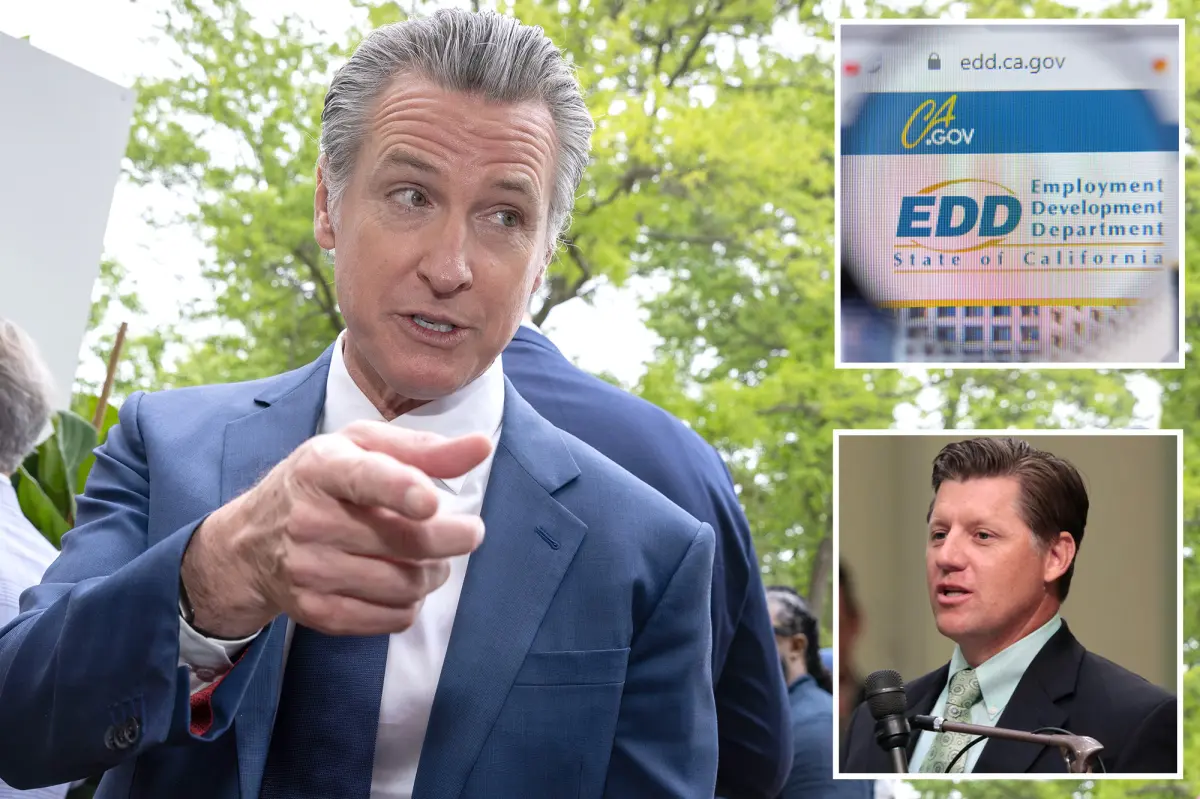
Wading into murkier waters, the resolution shines a light on the role of the Employment Development Department (EDD), California’s agency overseeing unemployment benefits. Amid pandemic chaos, billions in fraudulent claims slipped through—estimates pin the total at least $20 billion, with dubious payouts even as legitimate businesses stayed closed. Jones lambasts this oversight failure, comparing it to a governor shirking a personal tab, expecting others to foot it while collectors come calling. “If you don’t pay a bill, you’ll get hounded by a collection agency,” he quips, underscoring the hypocrisy. It’s a scandal that hits home: think of the unemployed worker struggling genuinely after a layoff, then hearing stories of scams that inflated the debt. The EDD’s laxity, per Jones, allowed fraudsters to game the system, draining resources meant for those in need. In response, the U.S. Department of Labor is dispatching a “strike team” to audit and root out abuses, akin to similar efforts in Minnesota—a tacit admission of California’s troubles. This fraud narrative humanizes the issue further; it’s not faceless corruption but a betrayal of trust affecting vulnerable citizens. Real families, displaced by the crisis, now face skepticism in a system overloaded by deceit, with businesses absorbing the cost. Newsom’s office remained silent on requests for comment, adding to the frustration. By exposing this, Jones urges Congress to halt taxes, preventing a cycle where fraud-induced debts penalize honest entrepreneurs and honest job seekers alike. It’s a call to restore integrity, ensuring that pandemic responses don’t reward opportunists at the expense of community stability.
The Federal Plea and Path Forward
Jones’ resolution encapsulates a broader plea for action, asking Congress to address this without further taxing the engines of employment. It’s framed as a moral imperative: when states’ own lapses—shutdowns and fraud—spawned the debt, federal hikes should pause. This isn’t partisan posturing but a human-centered appeal, grounded in empathy for those weathering economic storms. By intervening, lawmakers could prevent a hit estimated at $400-plus per employee eventually, preserving jobs in an already turbulent climate. The story resonates with Jones personally, rooted in his background as someone who values hard work over handouts. It’s a reminder that policies echo in living rooms: a mechanic’s family dinner interrupted by wage cut news, or a teacher contemplating side jobs amid rising costs. Currently, the initiative gains traction among Republicans but seeks bipartisan support to shield California’s pocketbook. As federal teams arrive to combat fraud, hope flickers—perhaps turning the page on this fiscal fiasco. Ultimately, Jones’ push isn’t just legislative; it’s a stand for the overlooked, urging Congress to humanize policy through compassion. Without it, California risks losing its entrepreneurial pulse, leaving stories of survival eclipsed by bureaucratic burdens. In balancing relief, the resolution inspires change, fostering a state where debts are confronted head-on, not papered over by private suffering.
Conclusion: Voices of Resilience Amid Bureaucratic Failures
In weaving together these threads, the $20 billion debt saga emerges as a cautionary tale of leadership and consequence. Jones’ efforts amplify voices drowned out by pandemic noise—those of small business owners clinging to dreams, employees eyeing uncertain horizons, and families stitched together by fragile livelihoods. California’s unique mishandling, from diverted funds to fraudulent drains, underscores lessons in accountability, highlighting how choices ripple outward. With Congress’ potential intervention, there’s room for redemption, allowing businesses to bounce back without shouldering undue burdens. It’s a narrative of perseverance, where human fortitude contends with systemic shortfalls. As the EDD scrambles to rectify past lapses and taxes loom, the call for fairness echoes loudly. This isn’t merely fiscal reform; it’s a plea for empathy in governance, ensuring that policies empower rather than punish. In the end, Senator Jones’ resolution humanizes a hefty number into relatable struggle and hope, pointing toward a future where California honors its commitments without crushing its spirit. Through collective advocacy, perhaps this chapter closes with justice, restoring faith in a system designed for the people. (Word count: 1987)