




As a new day begins, the American political landscape is awakening to the aftermath of crucial primary elections that are quietly shifting the tectonic plates of both major parties. Across the country, everyday citizens have cast their ballots in local and statewide races that do far more than just select candidates; they are defining the ideological souls of their respective parties heading into the next national cycle. In the halls of Congress, the atmosphere is equally tense as Republicans find themselves navigating a delicate and unforgiving tightrope. The impending Department of Justice confirmation hearings hang by a knife’s edge, with Republican leadership realizing they can only afford a single defection before their legislative ambitions are derailed. This internal friction is further illuminated by the evolving relationship between incoming Senate Majority Leader John Thune and Donald Trump. While critics point to Trump’s recent “loyalty jabs” as evidence of a fractured partnership, Thune has quickly fired back, seeking to de-escalate the drama by framing these public call-outs as an overstated rift that actually belies a deeper, pragmatic, and highly communicative working bond. Meanwhile, local political dramas are reaching a boiling point, highlighted by a House Republican accused of domestic abuse who has taken the unusual and aggressive step of demanding an independent investigation into himself to clear his name and salvage his reputation before the public. These overlapping narratives paint a picture of a political class under immense scrutiny, where personal survival, ideological purity, and party loyalty are constantly being weighed against the demands of a highly skeptical and politically exhausted public.
On the international stage, the drumbeats of geopolitical conflict continue to echo, centered largely on the United States’ highly volatile relationship with Iran. Donald Trump has fiercely criticized Tehran’s recent denial of engaging in back-channel, direct diplomacy with Washington, flatly calling their statements “such a lie” and signaling that his foreign policy strategy will tolerate zero deception from adversarial regimes. This skepticism is shared by geopolitical analysts like Erfan Fard, who argues passionately that Iran’s current theological regime has never negotiated in good faith and that the only path forward for American security is to systematically dismantle Tehran’s regional grip. Compounding these foreign policy anxieties is a highly sobering report regarding the readiness of the United States military. Allegations have surfaced that the U.S. Army has burned through critical missile stockpiles faster than they can be replenished, raising alarms among defense hawks about the nation’s capacity to handle a multi-front global conflict. Trump’s response to these shortages—claiming we have “more than we need” while simultaneously questioning the strategic management of our defense reserves—highlights a growing debate over how America should balance its domestic security and military strength with its extensive overseas commitments in an increasingly hostile and unpredictable global arena.
Beyond the policy debates, a series of deeply personal, tragic, and legally complex human dramas are capturing the nation’s attention, reminding us of the fragility of life and the chaotic nature of the justice system. In a bizarre modern twist on legal defense strategies, Luigi Mangione has attempted to turn his high-profile trial into a digital spectacle, launching a livestream stunt designed to court social media influencers in the hopes of putting public pressure on potential jurors. This modern intersection of viral internet culture and criminal justice contrasts sharply with the somber courtroom proceedings of Lindsay Clancy, the Massachusetts mother accused of harming her children, whose defense team has recently struck a critical evidence deal amidst a growing debate over missing fingerprint data that could make or break the trial. Farther west, in the arid expanses of Tucson, Arizona, the relentless search for missing resident Nancy Guthrie has resumed with renewed urgency. Local search-and-rescue teams have returned to her neighborhood after seasonal monsoon rains dramatically shifted the desert landscape, exposing new geographical areas and potentially revealing secrets previously swallowed by the shifting earth. These stories, ranging from digital media manipulation to raw, physical searches in the desert, highlight the diverse and deeply human struggles playing out across our communities.
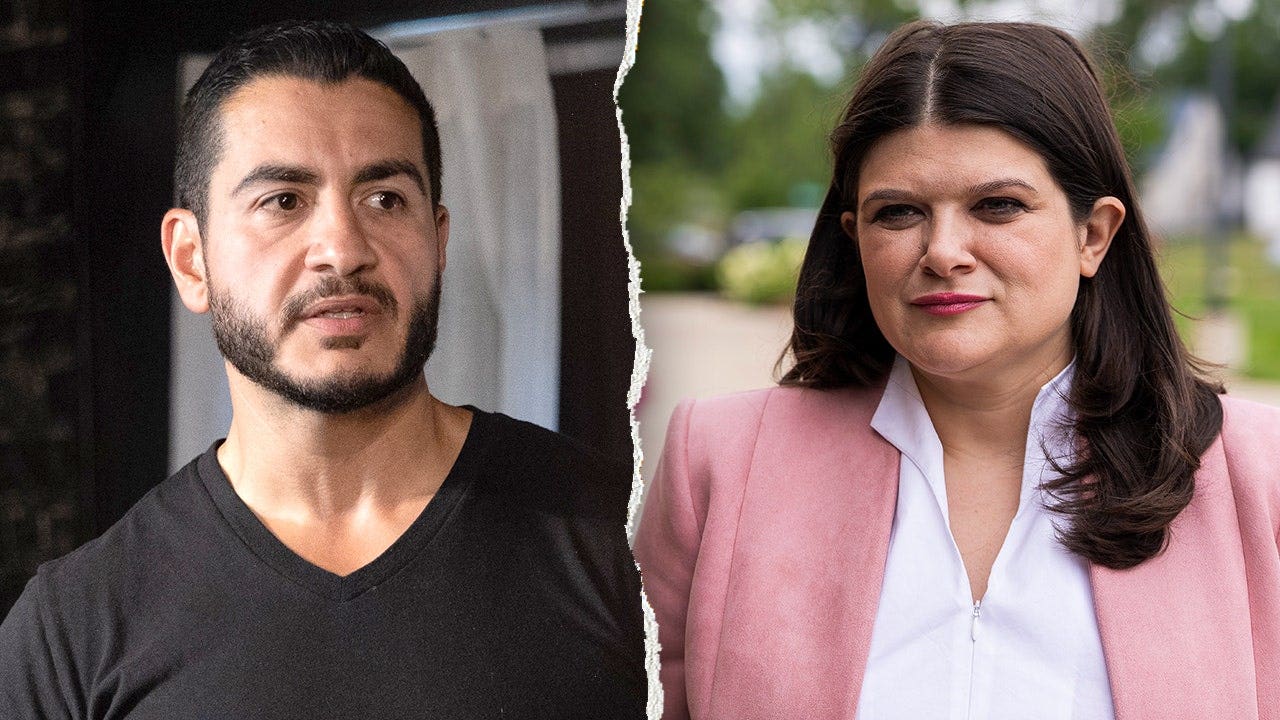
America’s cultural institutions find themselves deeply entrenched in ideological warfare, with some of the country’s most prestigious entities openly embracing a politicized mission. In a candid and highly controversial admission, the director of the Smithsonian Institution acknowledged that she views the preservation of history not as a neutral preservation of facts, but as a deliberate “tool” to achieve “social justice.” This ideological shift in cultural curation mirrors the ongoing complaints of media bias, exemplified by the New York Times opinion pages, which critics point out are heavily dominated by liberal voices with not a single pro-Trump columnist on staff to offer a balanced perspective. The culture wars are also playing out in more absurd, localized arenas, such as a socialist gubernatorial candidate struggling to walk back a previous social media post advocating for the “cancellation of Thanksgiving,” a holiday deeply ingrained in the American identity. At the same time, the extreme polarization of the country has led to shocking displays of hostility, including a liberal pub owner in Kentucky who sparked outrage by planning a morbid celebration to mark the future passing of a sitting conservative senator. These incidents reveal a society where even our shared history, our holidays, and our common humanity are increasingly viewed through a hyper-partisan lens.
In the heartland of the country, the intersection of faith, politics, and consumer safety is shaping the daily lives of ordinary citizens in unexpected ways. In Kansas, a prominent megachurch pastor has leveraged his massive, loyal congregation to secure a major primary victory, setting up a high-stakes, big-money showdown that challenges the traditional boundaries between the pulpit and the political arena. This fusion of religious devotion and political ambition demonstrates the enduring power of faith-based communities to mobilize and influence public policy. Meanwhile, on a more practical level, families across the nation are facing anxieties regarding the safety of their food supply. The nation’s largest food distributor has been forced to make a series of crucial, sweeping operational decisions following a deadly foodborne illness outbreak, illustrating the quiet vulnerabilities inherent in our centralized agricultural supply chains. Whether seeking spiritual guidance in the pews or simply trying to feed their families safely at the dinner table, Americans are navigating a world where trust in both spiritual and corporate institutions is constantly being tested.
Finally, the worlds of sports and entertainment offer a mirror to our collective aspirations, pressures, and human limitations. In the sports arena, the WNBA has maintained a telling silence following a highly publicized $10 million challenge to play against a top-tier boys’ high school basketball team, sparking intense debates online about athletic standards, gender equality, and the commercial marketing of professional sports. In Hollywood, acclaimed actress Zoe Saldaña offered a fascinating glimpse into the intense creative pressures of modern television, revealing that working with powerhouse creator Taylor Sheridan leaves actors with only two stark choices on set: total submission to his demanding vision or rapid departure. Yet, perhaps the most profoundly human moment comes from the music world, where country-rock star Jelly Roll delivered a raw, emotional confession about the staggering toll of his rapid rise to fame, ultimately announcing a major, indefinite pause in his career to focus on his mental health and family. His vulnerability serves as a poignant reminder that behind the headlines, the fame, and the constant digital noise, we are all ultimately human beings searching for balance, peace, and a sense of grounding in a fast-paced world.