

Federal Agents Confront Venezuelan Gang Suspects in Portland: New Details Emerge
In a quiet Portland neighborhood that rarely sees violence, a January confrontation between federal agents and suspected gang members has revealed deeper connections to organized crime and previous violent incidents. The shooting, which left two suspects wounded, has highlighted ongoing challenges with immigration enforcement and transnational gang activity reaching into American communities.
The January 8th incident involved U.S. Customs and Border Protection (CBP) officers attempting to apprehend Yorlenys Betzabeth Zambrano-Contreras and her husband, Luis Nino-Moncada, both suspected of having ties to the notorious Venezuelan gang Tren de Aragua. According to federal prosecutors, when agents attempted a traffic stop on the couple’s Toyota Tacoma, Nino-Moncada refused commands to exit the vehicle. Instead, he allegedly reversed forcefully into a Border Patrol vehicle, causing significant damage while repeatedly ramming it in forward and reverse motions. Fearing for their safety as the situation escalated, a Border Patrol agent opened fire, wounding both suspects who were subsequently arrested and charged with federal offenses. During questioning, Moncada reportedly admitted to intentionally ramming the federal vehicle in an attempt to escape the agents.
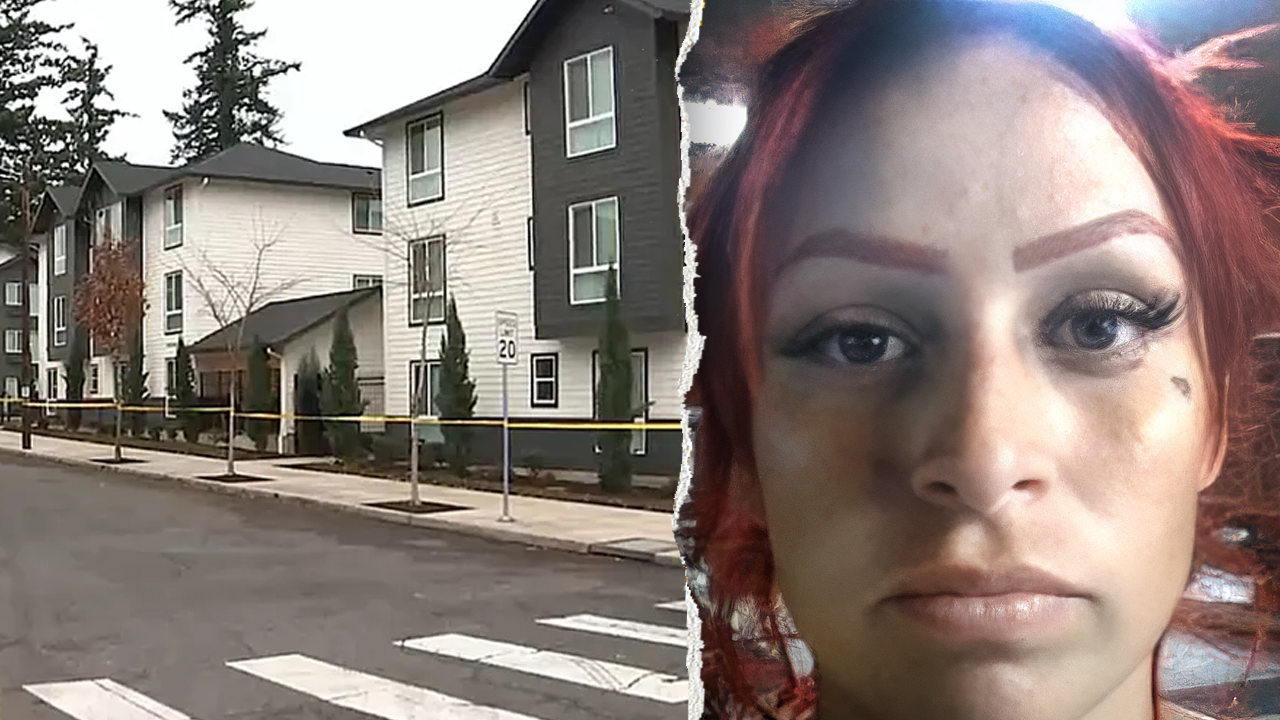
What many didn’t realize until recently was that this wasn’t Zambrano-Contreras’ first encounter with law enforcement. Months earlier, in July 2023, the Washington County Sheriff’s Office had responded to reports of a shooting at an apartment complex in unincorporated Washington County where Zambrano-Contreras was identified as a person of interest. Though no injuries occurred in that incident, it left neighbors shaken. Justin Pitones, a resident who witnessed the aftermath, described hearing breaking glass before seeing sheriff’s deputies moving through his yard with weapons drawn. “It was broad daylight. That was kind of the weird part,” Pitones told local media. “This is a quiet neighborhood.” Officers later described the incident to him as “a deal gone bad.” Because the July investigation spanned multiple jurisdictions and potentially involved federal violations, the case was referred to the FBI and the U.S. Attorney’s Office, where it remains active.
The case has drawn additional scrutiny due to both suspects’ immigration status and alleged gang connections. Federal authorities say Nino-Moncada entered the United States illegally in 2022 and was already subject to a final order of removal at the time of the January incident. Despite his status and prior arrests for driving under the influence and unauthorized use of a vehicle, he had been released into the country. Zambrano-Contreras also entered illegally in 2023 and is accused by authorities of playing an active role in a prostitution ring linked to Tren de Aragua, a gang known for violence and criminal enterprise throughout Latin America that has recently expanded operations into the United States. The Justice Department noted there was no body-worn camera video from the six Border Patrol agents involved in the Portland confrontation, and efforts to locate surveillance footage of the incident have been unsuccessful.
The Portland shooting occurred just days after another controversial incident in Minneapolis, where an Immigration and Customs Enforcement (ICE) agent fatally shot 37-year-old Renee Nicole Good during a separate immigration enforcement operation. Federal officials maintain Good was shot after allegedly attempting to use her vehicle as a weapon against agents. These incidents have intensified debates about immigration enforcement tactics and the challenges federal agents face when confronting potentially dangerous individuals. Local law enforcement agencies, including the Portland Police Bureau, have largely deferred questions about the ongoing investigation to federal authorities, limiting their public comments to previously released statements made during news conferences.
The presence of Tren de Aragua members in Portland represents a growing concern for law enforcement nationwide as the gang has expanded its operations beyond Venezuela’s borders. Known for extortion, human trafficking, and violence, the gang has established footholds in several American cities amid increased migration from Venezuela. Law enforcement officials have warned about the gang’s sophisticated structure and ability to quickly establish criminal networks in new territories. The Portland case illustrates how transnational gangs can operate across jurisdictions, making coordination between local, state and federal agencies increasingly important in addressing these threats. It also highlights questions about how immigration policies may impact public safety when individuals with gang ties enter and remain in the country despite deportation orders.
As investigations continue into both the January confrontation and the previous July shooting, residents in the affected Portland communities remain concerned about the potential for further violence. What began as an isolated incident in a normally peaceful neighborhood has revealed connections to organized crime that few residents imagined existed in their community. The case underscores the complex challenges facing law enforcement in addressing both immigration violations and criminal activity, particularly when they intersect with dangerous transnational gangs capable of bringing violence to otherwise quiet American neighborhoods. For federal authorities, the Portland shooting represents not just an immigration enforcement action but part of a broader effort to disrupt criminal organizations establishing new territory in American cities.