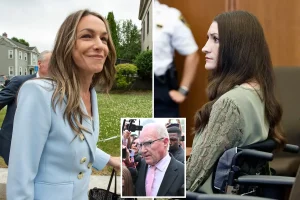






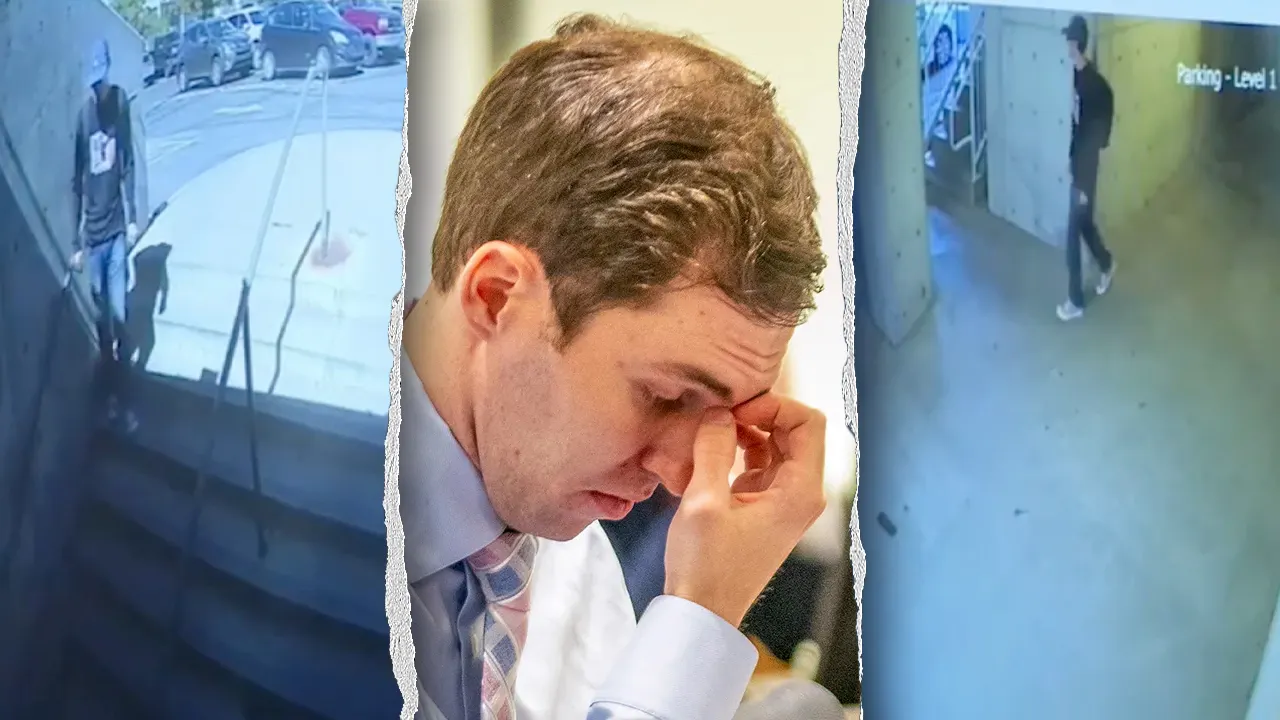
The shocking assassination of Turning Point USA founder Charlie Kirk on the campus of Utah Valley University shook the nation, leaving a trail of grief, unanswered questions, and a high-stakes search for justice. This past week, a courtroom in Provo, Utah, became the focal point of the tragedy as prosecutors unveiled a meticulous, step-by-step surveillance video compilation. The footage, presented during a preliminary hearing for 23-year-old Tyler Robinson, serves as the emotional and structural backbone of the state’s case against the young man. To those sitting in the gallery, the grainy clips offered a chilling look at the hours leading up to the fatal moment on September 10, 2025. Through these cameras, investigators reconstructed a timeline that they argue tracks Robinson’s every move—from his casual arrival in the morning to his calculated steps on the roof of the Losee Center for Student Success, where the fatal shot was fired.
Utah State Bureau of Investigation Agent David Hull took the witness stand to guide the court through this digital trail of breadcrumbs, explaining how detectives painstakingly worked backward and forward from the moment of the shooting. According to the timeline presented by the prosecution, Robinson first arrived at a UVU parking garage around 8:30 a.m. driving a vehicle with distinctive wheels registered to his family. Dressed recreationally in a maroon T-shirt, shorts, and Converse sneakers, he allegedly scoped out the campus amphitheater where Turning Point USA representatives were active, before briefly leaving. By 10:00 a.m., he was back, grabbing a bite to eat at the campus Chick-fil-A with a blue backpack in tow. Minutes later, the cameras captured him crossing into a nearby wooded area on the edge of campus and returning empty-handed. Prosecutors allege this detour was a crucial step in staging his equipment, setting the stage for what was to come.
As midday approached, the movements captured on screen grew increasingly urgent and unsettling. At 12:15 p.m., the suspect returned for a third time, having changed his clothes but still wearing the same distinctive shoes. Agent Hull pointed out to the court that the individual appeared to walk with a pronounced, unusual limp as he navigated the stairs of the parking structure. Minutes later, surveillance footage captured this figure scaling an exterior staircase of the Losee Center and rolling over the protective railing onto the roof. By 12:23 p.m., the figure began to crawl in a prone position toward the southwest corner of the roof, looking over the side. It was from this vantage point, prosecutors argue, that the single, devastating shot was fired, ending Charlie Kirk’s life and throwing the entire campus into a state of panic.
While the video does not show the actual muzzle flash or the impact of the bullet, it captures the immediate, frantic aftermath. Immediately after the shot, the figure on the roof rose, navigated to the opposite side of the building, and lowered himself onto a grassy patch below. Agent Hull testified that the fleeing suspect appeared to be carrying a long, concealed object in his hand. Although defense attorneys quickly pointed out during cross-examination that no weapon is clearly visible in the footage, Hull maintained that his professional training led him to believe the item was indeed a firearm. Furthermore, investigators observed that the suspect’s prominent limp had miraculously vanished as he fled. This crucial lead eventually drew law enforcement back to the same wooded area Robinson had visited earlier, where search teams later recovered the rifle believed to have been used in the assassination.
The digital dragnet did not stop at the crime scene. In the dark morning hours following the shooting, a local Spanish Fork officer working security detail noticed a vehicle acting suspiciously near Campus Drive and noted its license plate. This seemingly minor alert became a major breakthrough when the partial plate matched the vehicle registered to Robinson and his mother. With this mountain of circumstantial and physical evidence compiled over a five-day hearing, the prosecution is aggressively pursuing the death penalty for aggravated murder. Though Robinson has yet to enter a formal plea, the emotional toll of the protracted legal process is weighing heavily on those left behind. Robinson’s defense team continues to challenge the gaps in the video evidence, while the judge works to balance the intense media scrutiny with the integrity of the judicial process.
As the legal proceedings prepare for decisive oral arguments on September 1st, Charlie Kirk’s grieving family is pleading with the court for swift resolution. In a heartfelt filing, the family urged Judge Tony Graf to move the trial forward without further delay, pointing out that the one-year anniversary of Kirk’s death is rapidly approaching while Robinson has remained in custody for ten months. “The defendant is entitled to a fair trial, and he must receive one,” the family’s attorneys wrote in a poignant statement. “He is not, however, entitled to cause undue delay in the criminal justice process.” For a community and a nation still reeling from a highly publicized acts of political violence, this trial is no longer just about analyzing CCTV footage—it represents a painful, deeply personal quest to find truth, accountability, and some semblance of peace amidst the wreckage of a tragedy.