


Strait of Hormuz Tensions Escalate: A Choking Grip on Global Trade
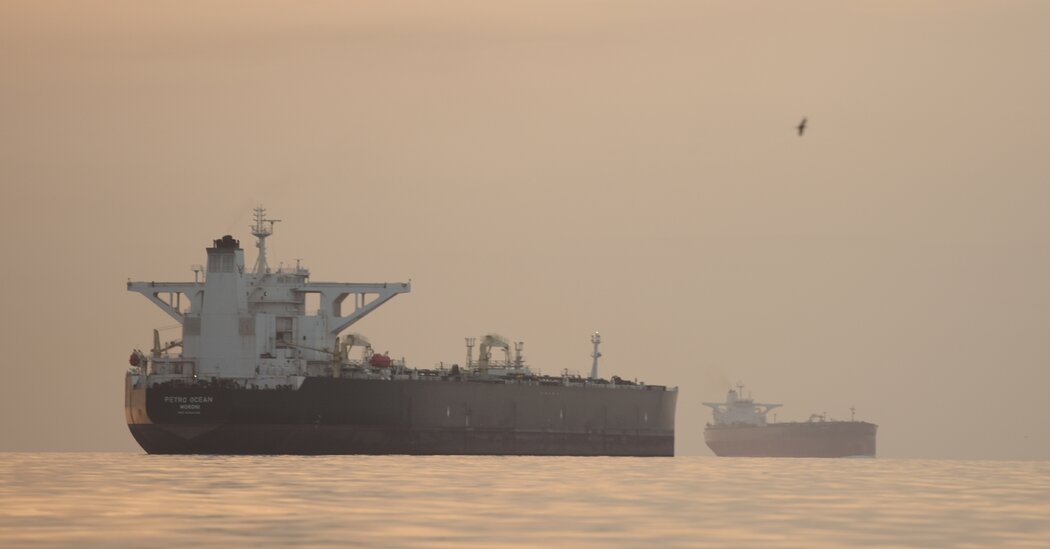
In the sun-scorched waters of the Strait of Hormuz, where the Persian Gulf meets the Arabian Sea, a volatile standoff continues to throttle vital maritime traffic. This narrow gateway, a lifeline for international shipping, has seen its flow severely restricted due to escalating naval skirmishes between the United States and Iran. On a scorching Saturday, reports emerged of heightened friction that has left dozens of commercial vessels idling, unable to navigate the perilous passage. The crisis, rooted in accusations of cease-fire violations and retaliatory strikes, underscores how geopolitical conflicts can disrupt the world’s energy arteries. With about 1,600 ships reportedly bottled up in the Persian Gulf alone, experts warn of cascading effects on oil supplies and global markets. As naval forces from both sides enforce competing blockades, the strait—normally bustling with tankers and cargo ships—has become a flashpoint for broader U.S.-Iran tensions, drawing in international players eager to protect vital routes. This isn’t just a regional dispute; it’s a test of diplomatic resolve in an area critical to world trade.
The origins of this chokehold trace back to weeks of mutual enforcement actions. Since April 13, the U.S. Navy has asserted aggressive control, intercepting and redirecting 58 commercial ships attempting to enter or exit Iranian ports. For those that resisted, the consequences were swift: American forces disabled four vessels outright, as announced by U.S. Central Command. On the Iranian side, the Revolutionary Guards Navy has mirrored this tactic, enforcing its own restrictions that have paralyzed many Westbound routes. This tit-for-tat blockade has created a shipping deadlock, leaving hulking tankers and freighters stranded in choppy waters. Amid these maneuvers, public rhetoric has turned incendiary. Iranian officials, through the Revolutionary Guards, vowed a “heavy assault” on American assets if their ships were targeted, while President Trump amplified the drama on social media with a provocative meme depicting sunken Iranian warships. Such exchanges highlight the fragile brinkmanship at play, where a single misstep could ignite broader conflict. For mariners and traders, the tension translates to delayed deliveries, soaring insurance costs, and a palpable sense of uncertainty in the region’s waterways.
Data from marine tracking services paints a stark picture of the downturn. According to MarineTraffic, at least six cargo ships have tentatively crossed the Strait of Hormuz since Wednesday, but strikingly, no tankers—key carriers of crude oil—naveled the waters. The London Stock Exchange Group’s monitoring reveals a further erosion in traffic volumes since Monday, dropping from already subdued rates to near-stagnation. While these intelligence firms provide valuable insights, they acknowledge limitations: vessels occasionally spoof signals or go dark to evade detection, complicating the full scope of the disruption. Still, the trends are unequivocal—a precipitous decline in maritime movement, even compared to the tenuous cease-fire period that began on April 7. This slowdown reverberates through supply chains worldwide. Normally, upwards of 130 vessels ply the strait daily, ferrying a fifth of the planet’s oil alongside natural gas, fertilizers, and other essentials. The current logjam threatens not just Middle Eastern economies but the delicate balance of global commerce, forcing consumers and businesses to brace for shortages and inflationary pressures.
Recent skirmishes have propelled the crisis into overt hostilities. On Thursday, the United States claimed to have struck Iranian military installations following what it described as unprovoked attacks on three American destroyers in the strait. Iran countered that its actions were retaliation for alleged U.S. breaches of the cease-fire, including aerial bombardments on its southern coastlines. The confrontation escalated the next day when U.S. forces fired on two Iranian-flagged oil tankers, neutralizing them as they neared Iranian ports. In a bold countermeasure, Iranian naval units seized a Chinese-owned oil tanker in the same waters, heightening fears of escalated seizures. Adding to the turmoil, Iranian-affiliated Mehr news agency reported an unconfirmed overnight American assault on Khasab port, claiming six vessels struck and six individuals missing. Without U.S. corroboration, such claims fuel speculation of covert operations beneath the radar. These incidents, unfolding in rapid succession, illustrate a pattern of confrontation where accusations fly as fast as missiles, each side justifying its actions amid suspicions of subterfuge and strategic brinkmanship.
As the drama unfolds, other nations are stepping into the fray to safeguard shared interests. Britain announced on Saturday the deployment of a Royal Navy destroyer to the Middle East as a “pre-positioning” measure, signaling readiness for future operations to secure transit through the Strait of Hormuz. Europe, too, is mobilizing: Britain and France have vowed to form a multinational coalition aimed at guaranteeing safe passage once hostilities subside, though specifics remain vague. Meanwhile, a glimmer of progress emerged with a Qatar-owned gas tanker attempting to thread the needle on the Iranian side, bound for Pakistan. Tracking firms suggested it might have slipped through into the Gulf of Oman by nightfall, potentially marking the first Qatari natural gas carrier to succeed since tensions erupted. QatarEnergy maintained radio silence on the endeavor, but if confirmed, it could herald tentative openings in an otherwise locked-down corridor. These diplomatic overtures reflect a growing realization that unilateral actions by Washington and Tehran could destabilize far more than just Middle Eastern waters; they’re ripples affecting energy-hungry economies from Asia to Europe.
Broader implications loom large for the global economy, where the Strait of Hormuz’s troubles are already manifesting in rising energy prices and volatile markets. With the passage handling roughly one-fifth of the world’s oil exports, disruptions here amplify inflationary trends, squeezing consumers and industries alike. Petroleum analysts predict upward pressure on gasoline and diesel costs, while stock indices react to supply uncertainties. This economic fallout underscores why the stand cannot remain isolated; it’s a clarion call for international intervention to prevent a full-blown chokehold that could send shockwaves through trade networks. As observers note, the ceasing of tanker movements signals more than logistical delays—it points to vulnerabilities in an interconnected world where geopolitical rivalries can spike prices and rattle stability. Looking ahead, prospects for de-escalation hinge on diplomatic breakthroughs, but with threats of further assaults lingering, the strait remains a powder keg. Skirmishes like these remind us that in an era of global interdependence, the churn of naval forces off Iran’s coast could ripple outward, reshaping energy politics and economic forecasts for months, if not years, to come. As nations position assets and traders hold their breath, the question isn’t just about who blinks first—it’s about safeguarding the lifelines that keep the world afloat. Understanding these dynamics is key to navigating a future where maritime routes must endure beyond the haze of conflict.