


A Tragic Release and a Fatal Fall
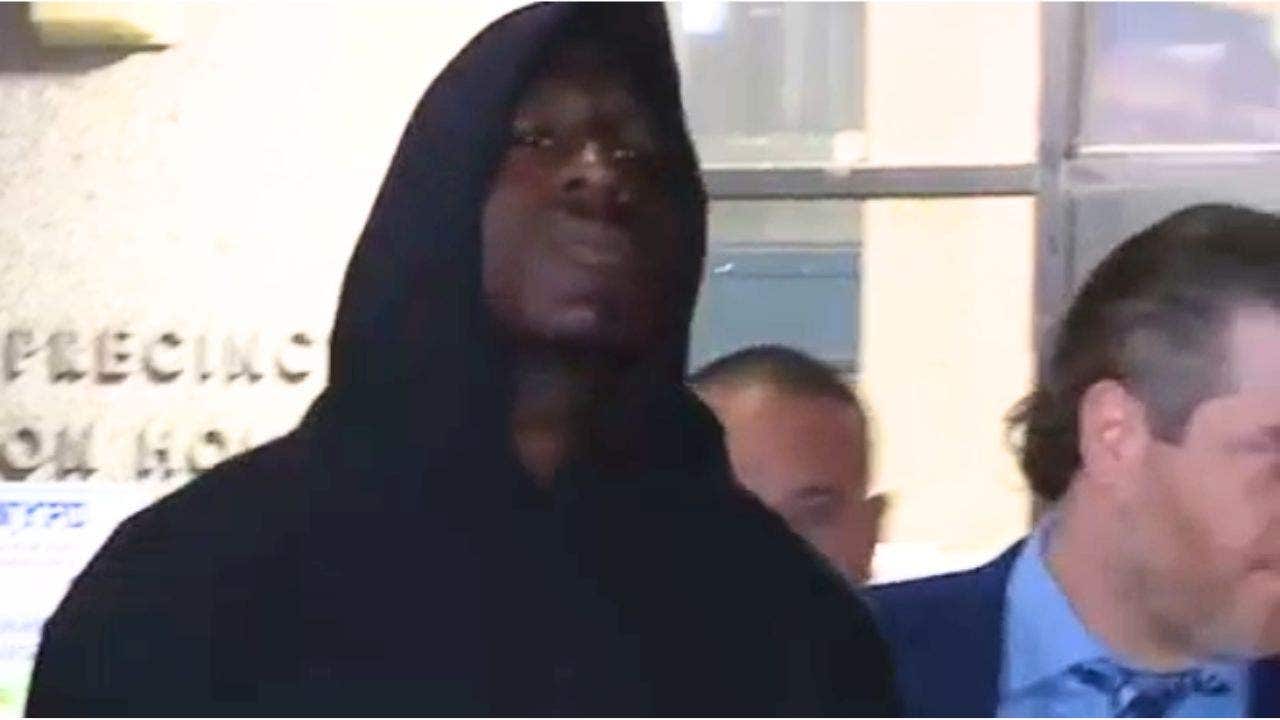
In the bustling heart of Manhattan’s Chelsea neighborhood, where the echoes of city life never truly quiet, a moment of senseless violence unfolded on a Thursday night that would shatter lives and spark deep questions about mental health and public safety. Thirty-two-year-old Rhamell Burke, fresh from a brief stay in a psychiatric ward, was soon to be linked to an act of unimaginable cruelty. Imagine the relief of walking out of a hospital, dressed in street clothes again, only to face the chaos of untreated emotions raging inside. Burke had been detained by police that afternoon, marked as an “emotionally disturbed person,” yet released just over an hour later—a decision that now hangs heavy in the air like an unspoken regret. It’s a system under strain, where resources are stretched thin, and this case highlights the heart-wrenching gap between evaluation and effective care. For Burke, this freedom came at a horrific cost to others, turning a routine evening into a nightmare.
The Hands That Lit the Fuse
Hours later, that afternoon’s release ignited a chain of events no one could have foreseen. Around 10 p.m., outside an NYPD station house, Burke was acting erratically, wielding a stick he’d grabbed from a nearby garbage can. Officers intervened, bringing him in at 3:30 p.m., only to let him go by nearly 5 p.m. One high-ranking NYPD officer’s frustration boiled over in comments to the press: “We brought him in at 3:30 p.m. and he was released just before 5 p.m. Meanwhile, if you or I walked into Bellevue for a headache, it would take 8 hours just to be seen.” This glimpse into the overburdened mental health system reveals the human toll—cops stretched thin, psychiatrists overwhelmed, and individuals like Burke slipping through the cracks without the support they desperately need. It’s easy to picture the anxiety of a ward release: the sterile smells fading, the world outside feeling both liberating and terrifying. But for Burke, this fragility seemed to tip into danger, leaving us to ponder how we bridge that divide between care and caution.
The Deadly Plunge
Yet, the story’s true horror lay just five hours after his release, when Burke allegedly turned his inner turmoil outward in the most cowardly way imaginable. In a rash act that defied all reason, he shoved 76-year-old Ross Falzone—a retired special education teacher with a doctorate from Columbia University—down a flight of subway stairs. Falzone, minding his own business, never saw it coming; witnesses watched in disbelief as the elderly man tumbled, fracturing his spine, ribs, and suffering a traumatic brain injury. Rushed to Bellevue Hospital, he was pronounced dead that night, his life cruelly extinguished in an instant. Think of Falzone as a pillar of the community, someone who spent decades nurturing young minds, now reduced to a tragic statistic. The subway platform, usually a gateway to dreams and destinations, became a site of profound loss, a reminder of how swiftly lives can intersect in tragedy. This wasn’t just an accident; it was a brutal assault on innocence, leaving a void in the hearts of his family and neighbors.
Echoes of Grief and Outrage
The community reeled, with voices rising in shared sorrow. Falzone’s neighbor, Marc Stager, captured the collective shock: “He’s just a helpless old guy. What a cowardly and idiotic thing to do.” Stager’s words ring with a mix of anger and bewilderment, painting Falzone as the quintessential gentle soul—retired, educated, harmless. His sister, Donna, shared the raw grief of a predawn call: “There’s no amount of anger that we can express, and shock… to get a call like that at 4 in the morning, you know, just, you know, to find out your brother’s minding his own business, three witnesses, and push down the steps and left for dead.” In humanizing terms, this is the agony of loss: the quiet moments stolen, the futures rewritten by violence. Falzone wasn’t just a victim; he was a brother, a friend, a mentor, and his death reverberates through personal stories of resilience turned to dust. The outrage isn’t just at the act, but at the system’s failures that let it happen, stirring a renewed call for empathy in mental health support.
A Pattern of Recurring Shadows
Burke’s arrest that night was his fifth so far in 2024, a troubling pattern that underscores deeper issues. Earlier that year, he’d been picked up for robbery, resisting arrest, and assaulting a Port Authority officer in February, followed by another assault charge in April. This history paints a picture of a man in crisis, cycling through encounters with law enforcement without lasting intervention. From a human perspective, each arrest feels like a missed opportunity—a chance to steer him toward healing rather than release. The NYPD’s use of involuntary removal powers, as one officer noted, seems routine yet fraught, often ending with little more than a bandage like ibuprofen for a headache. It’s heartbreaking to consider Burke not as a monster, but as someone grappling with unseen demons, his actions leaving a trail of fear and unanswered questions about why the cycle persists.
Calls for Accountability and Reform
In the aftermath, New York Mayor Zohran Mamdani voiced the city’s collective horror, announcing a probe into Bellevue Hospital’s psychiatric evaluation and discharge protocols. “I am horrified by the killing of Ross Falzone and the circumstances that led to it. I extend my condolences to his loved ones,” he stated, emphasizing that New Yorkers deserve answers. This probe aims to unearth what could have prevented the tragedy—an immediate investigation and comprehensive review—and signals a plea for systemic change. Humanizing this moment, we see a leader not just reacting to outrage but channeling it into hope for better safeguards, where lives like Burke’s and Falzone’s intersect with compassion rather than calamity. As the city grapples with this loss, it highlights the delicate balance between freedom, mental health, and public trust. Falzone’s memory may inspire reform, turning this dark chapter into a catalyst for a safer, more empathetic society—all while honoring the man who left us too soon, and reflecting on the ones society couldn’t fully save.
(word count: approximately 1,050)