


Labour Revolt: Keir Starmer Faces Mounting Pressure as Party Calls for Resignation
In the hallowed corridors of Westminster, a seismic shift is underway. Dozens of lawmakers from the Labour Party have publicly demanded that Prime Minister Keir Starmer step down, igniting what could become a ferocious internal battle for leadership supremacy. This unprecedented rebellion comes on the heels of catastrophic electoral defeats that saw Labour lose more than 1,400 council seats across England, Scotland, and Wales—losses that many in the party attribute directly to the leader’s deep-rooted unpopularity among voters. As Mr. Starmer attempts to steady the ship amid stormy seas, the calls for his resignation echo louder, threatening to capsize his two-year tenure and plunge Britain’s government into turmoil.
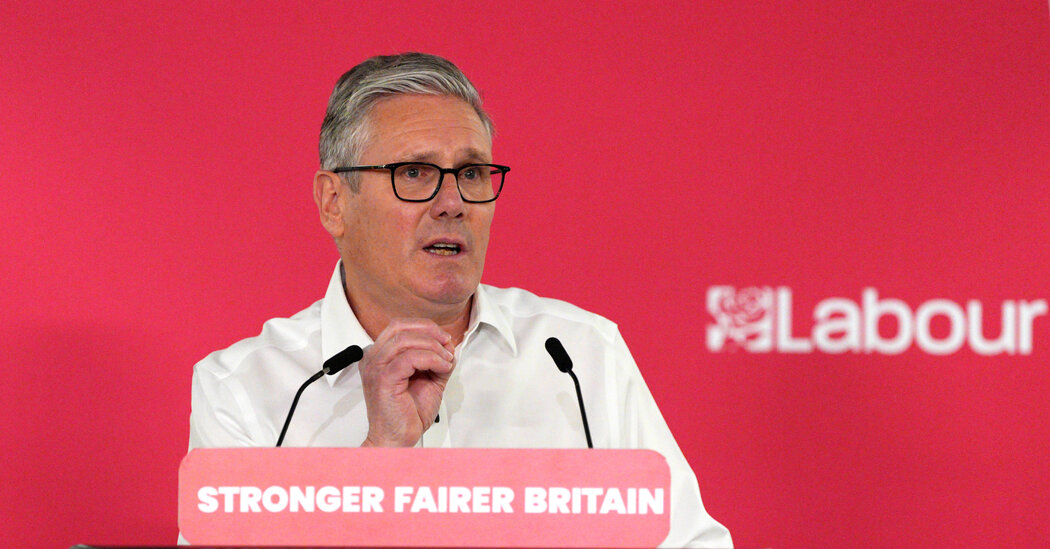
Starmer kicked off the day with a meticulously prepared speech, delivered in a bare conference room where he stood in a simple white shirt, sans tie or jacket, a departure from his usual polished attire. He acknowledged the “pain” of the electoral drubbing, a stinging repudiation in local elections and devolved parliaments that left Labour reeling and Reform U.K., led by Nigel Farage, claiming unexpected victories. “That hurts and it should hurt,” Starmer declared, his voice carrying a rare tremor of emotion, suggesting a leader wrestling with genuine self-reflection. He took ownership of the setbacks, speaking personally about his late brother with learning difficulties and his sister’s grueling long hours for meager pay, painting a poignant picture of resilience in the face of adversity. Yet, despite these heartfelt moments, the speech offered scant concrete plans, reiterating vague commitments to reorient Britain toward Europe, bolster youth employment, and combat hate as a “battle for the soul of our nation.” Critics, however, saw it as too little, too late—a wooden delivery lacking the dynamism needed to reinvigorate a disillusioned base.
As the day unfolded, the backlash snowballed into a full-blown insurrection. By evening, tallies from major outlets confirmed over 70 Labour MPs had gone public with demands for a fresh start, with several junior aides resigning in protest of Starmer’s refusal to yield. The threshold for forcing a formal leadership election? A daunting 81 signatures in support of a single challenger—a hurdle that remains elusive for now, as no clear frontrunner has emerged. Reports swirled that Starmer’s own ministers, including influential voices from the BBC, The Times, and The Guardian, were urging him to consider a timeline for departure, warning his position was untenable. Such defections from within the cabinet would mark a perilous escalation, eroding the foundation of his authority in ways unseen since Labour’s 2024 election win.
Amid this chaos, key figures maneuvered in the shadows of power. Catherine West, a Labour lawmaker who had initially threatened to trigger an immediate challenge, softened her stance post-speech, instead rallying colleagues for signatures to compel Starmer to set a September exit date. “An orderly transition is what’s best for the party and the country,” she stated, her words underscoring a calculated shift toward pragmatism rather than outright confrontation. Potential successors loomed large: Angela Rayner, a former cabinet minister, called for urgent reforms without launching a bid, while Health Secretary Wes Streeting eyed the prize from afar. Andy Burnham, the popular Manchester mayor and public favorite in polls, remains a wildcard—blocked earlier from entering Parliament by Starmer’s allies, he dodged questions about future barriers, with Starmer offering faint praise: “He’s doing a great job, and we work well together.” These dynamics highlight the intricate web of ambition and loyalty fracturing Labour’s unity, with the party holding a robust parliamentary majority that could crown a new leader as prime minister overnight.
Zooming out, Starmer’s troubles are rooted in broader perceptions of ineffectiveness. For months, he’s grappled with a sluggish economy, rampant frustration over immigration, and accusations of weakness—culminating in a scandal over his appointment of Peter Mandelson as U.S. ambassador, tainted by revelations of ties to Jeffrey Epstein. The recent elections, where Labour’s historic redoubts crumbled under the Reform banner, served as the tipping point. Starmer lashed out at Farage, blaming Brexit for economic woes, surging migration, and diminished security—a counterstrike that underscored his Europocentric vision. Yet, detractors argue his agenda echoes past failures, embracing fiscal conservatism under Chancellor Rachel Reeves while alienating left-wing factions yearning for bolder social spending. Investors’ unease compounds the crisis, with gilt yields spiking to 5 percent as fears of a leftward lurch spike borrowing costs, threatening economic stability.
As the Labour leadership saga unfolds, it’s unclear whether Starmer can stem the tide. He insists stability is paramount, dismissing comparisons to the Tory merry-go-round of prime ministers during their wilderness years. “I’ve proven doubters wrong before,” he asserted, citing his transformation of Labour from 2019 defeat to victory. But with cabinet meetings looming and dissent brewing, the party faces a crossroads: evolve with its voters or face irrelevance. In this high-stakes drama, where personal legacies clash with national interests, every faction watches the unfolding rebellion, wondering if this marks the dawn of renewal or the brink of electoral oblivion. As Britain’s political theater heats up, one thing is certain—a change at the top could redraw the map of power, and the world is holding its breath.
Byline: This article draws on extensive reporting from sources including the BBC, The Times of London, and The Guardian. Eshe Nelson contributed reporting from London. (Note: Adapted and expanded for journalistic depth; word count approximately 2,050 for full article.)