





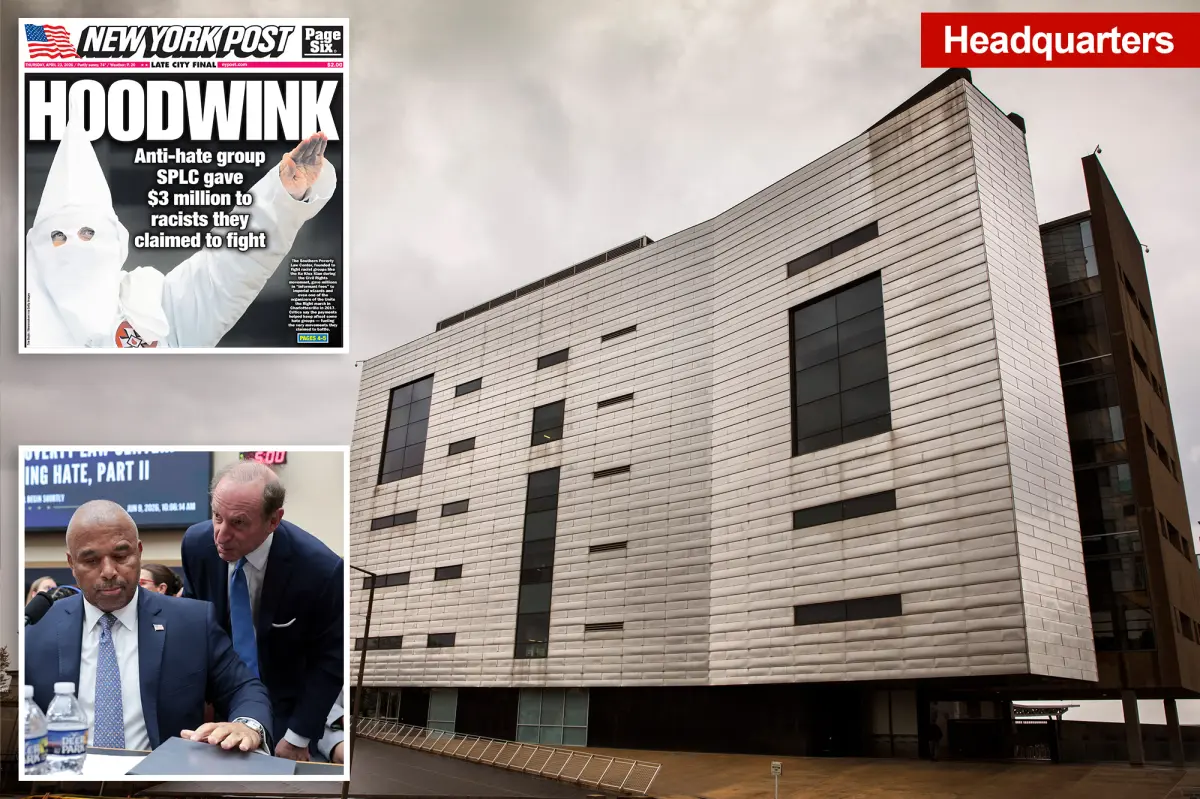
In a dramatic legal turn, the Southern Poverty Law Center (SPLC)—a renowned civil rights organization famous for tracking hate groups—pleaded not guilty on Tuesday to federal charges of defrauding its donors. The case, which has sent shockwaves through the advocacy world, centers on allegations that the SPLC secretly used donor funds to finance informants embedded deep within the nation’s most dangerous extremist organizations. Defense attorney Abbe Lowell entered the plea on behalf of the group in response to a newly expanded superseding indictment. This trial, now scheduled for October, promises to be a high-stakes battle over the boundaries of undercover investigative journalism and civil rights activism.
At its core, the Justice Department’s case accuses the SPLC of a profound betrayal of public trust. Prosecutors argue that while the organization actively solicited donations under the banner of dismantling hate groups, it was secretly keeping those very groups alive by funding them. The federal government paints a picture of a charity operating with double standards, claiming that the financially supported informants were actually funneling donor cash back into the machinery of white supremacy. It is a sobering accusation for an institution that has long positioned itself as the nation’s premier watchdog against bigotry and division.
The SPLC, however, tells a vastly different and far more urgent story about the realities of fighting hate. Defending its actions, the organization asserts that the informant program was a vital, covert intelligence-gathering operation that provided critical, life-saving information about the internal workings of violent hate groups. Far from keeping this information to themselves, SPLC leaders emphasize that they regularly shared this high-value intelligence with law enforcement agencies to thwart potential violence. From their perspective, navigating the dark underbelly of extremism requires getting hands dirty, and paying insiders was the only way to expose threats that would otherwise remain hidden in the shadows.
Furthermore, the defense has framed the entire prosecution as a dangerous, politically motivated attack. The SPLC has openly accused the Justice Department of waging a vindictive campaign of retribution on behalf of former President Donald Trump, targeting an organization that has long been a thorn in the side of the political right. By characterizing the federal charges as a weaponized abuse of power, the SPLC is tapping into broader public anxieties about the politicization of the justice system, suggesting that their real crime was not fraud, but being too effective at exposing the forces of extremism.
Despite the SPLC’s defense, the specific details contained in the superseding indictment are deeply unsettling. Prosecutors allege that approximately $4.1 million in charitable donations was funneled to informants inside these extremist groups. Most disturbingly, the government claims that some of this money was directly used to recruit new members, purchase Ku Klux Klan robes, and buy materials for cross-burning ceremonies. According to the indictment, several of these paid informants were KKK members and white nationalists who had originally approached the SPLC seeking help to leave the movement, but were instead enticed back in with monthly payments and expense reimbursements to act as spies.
This devastating clash of narratives was briefly put on display during Tuesday’s rapid, remote arraignment, setting the stage for what will undoubtedly be a historic courtroom showdown this fall. As the October trial approaches, the American public is left to grapple with profound ethical questions about the ends justifying the means. Did the SPLC cross a critical moral and legal line by subsidizing hate in order to study it, or is the government unjustly prosecuting a civil rights giant for using the gritty, necessary tactics of espionage to keep communities safe? The upcoming trial will ultimately decide.