


The Tragic Beginning
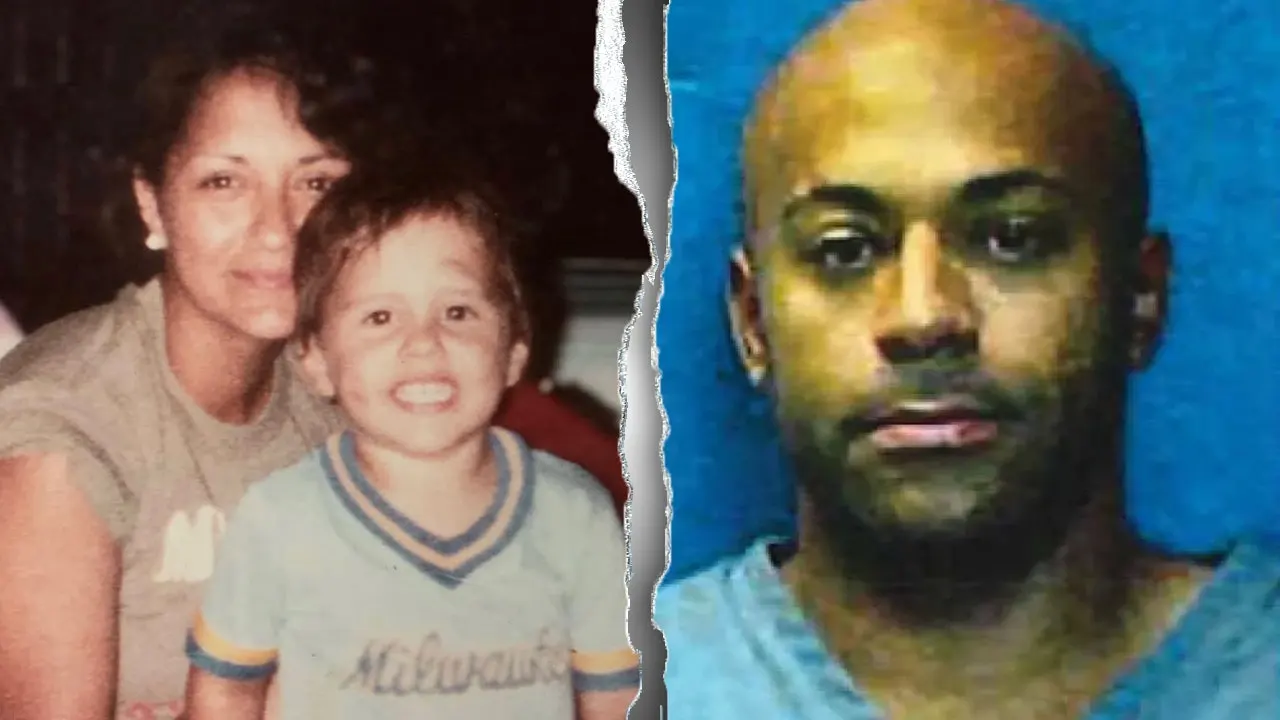
Imagine waking up one day as a 13-year-old boy to a world shattered by unimaginable violence. That’s the reality for Zach Zdroik, who lost his mother, Juanita, in a brutal execution-style killing back in February 2000. Juanita, a devoted mother of three, had the terrible misfortune of witnessing a double homicide in Milwaukee. In a desperate bid to escape her pursuers, she fled across state lines, but her nightmarish ordeal ended tragically on a rural highway in Racine County, Wisconsin. Strangers hauled her out of her car and shot her in cold blood, leaving her young children motherless. For the Zdroik family, this wasn’t just a random crime—it was the abrupt end to a life filled with love, laughter, and daily struggles. Juanita had been their rock, the one who tucked them in at night, cooked their favorite meals, and offered endless encouragement through life’s ups and downs. Her absence created a gaping hole, turning holidays into hollow echoes and milestones into reminders of what was stolen. The echoes of that gunshot reverberated through their family, etching pain into their souls and leaving them grappling with grief that never truly healed. They lived in a shadow of loss, questioning why such innocence was extinguished so violently. This wasn’t just statistics or a news headline; it was personal heartbreak that shaped their every waking moment, a wound that refused to scar over.
Years of Silence and a Glimmer of Hope
For nearly two decades, the case went cold, a lingering injustice that haunted investigators and the community alike. Law enforcement sifted through clues, interviewed witnesses, and chased leads, but Juanita’s killer seemed to vanish into thin air. The family watched helplessly as the world moved on, their pleas for justice fading into background noise. Zach, now a grown man, carried the weight of that unresolved grief, wondering if his mother’s memory would ever be honored. Then, in 2017, a breakthrough: Miguel Cruz was arrested. DNA evidence and eyewitness accounts pointed squarely at him, painting a picture of a man deeply involved in the crime. For the Zdroik family, this arrest felt like the first ray of sunlight piercing through storm clouds. They imagined the closure that had eluded them for so long—a chance to bury the pain and move forward. Cruz’s eventual trial in 2021 resulted in a conviction, with a life sentence that promised to keep him out of society forever. “One day I got a call while at work, and they said they caught my mother’s murderer,” Zach recalled, his voice cracking with the weight of long-buried emotions. The relief was overwhelming, a cathartic release from the darkness that had enveloped their lives. It wasn’t just about punishment; it was about validation, about knowing someone finally acknowledged Juanita’s worth and the family’s enduring trauma. For Zach and his sisters, this conviction symbolized a small victory in a battle against oblivion, a step toward healing the invisible scars that daily life had imposed.
The Fragile Comfort of Justice Served
In the aftermath of the conviction, the Zdroik family dared to dream of normalcy. Zach described the moment as “extreme relief,” a flood of emotion that washed away years of sleepless nights and unanswered questions. They had lived in a state of constant vigilance, always wondering if Juanita’s killer was lurking in the shadows. Now, with Cruz behind bars for life, they could breathe a little easier, allowing laughter to return to family gatherings and memories of Juanita to be shared without the sting of unresolved injustice. Her sisters and Zach’s children began to experience a lighter burden, knowing their grandmother’s spirit could rest somewhat easier. Juanita’s love had been their anchor—was the one who showed unconditional affection in a world that could be cruel and indifferent. Losing her meant losing that bedrock of security, but the conviction offered a semblance of recompense. Zach poured his heart out, explaining how fulfilling it felt to see “the man responsible for my mother’s murder, and ultimately for a lifetime of pain for my sister and I, is finally where he belongs.” It was a human triumph, a testament to the resilience of a family bound by love and loss. They clung to this justice like a lifeline, hopeful that time would dull the sharp edges of their grief. Yet, beneath the surface, doubts lingered—what if something went wrong? How could they fully trust a system that had let them down for so long? These were the quiet fears that shadowed their newfound peace, reminders that true healing was still fragile and incomplete.
The Shocking Turn with the Appeal
Just as the family started to rebuild, tragedy struck again—Cruz filed an appeal, challenging the very foundation of his conviction. Issues arose surrounding the credibility of the DNA evidence and, more disturbingly, allegations of misconduct within the Racine County Sheriff’s Office. Accusations of corruption and improper handling of the investigation cast a dark cloud over the proceedings, leading a judge to vacate the conviction and grant Cruz a new trial. For the Zdroiks, this was a crushing blow, turning their hard-won relief into fresh anguish. “It was obviously heartbreaking, knowing that we have to deal with this again,” Zach said, his words heavy with despair. After years of navigating a labyrinthine legal system, they felt betrayed, as if the institutions meant to protect them had instead inflicted deeper wounds. The appeal process unearthed questions about the reliability of eyewitness testimonies and the integrity of law enforcement, leaving the family in limbo. They had cooperated fully, shared their pain openly, and trusted in the pursuit of truth, only to face the possibility that justice might slip away once more. This wasn’t just a legal setback; it was an emotional earthquake that reopened old scars. Zach and his sisters grappled with waves of sorrow, wondering if their voices mattered in this system that seemed indifferent to their human suffering. The ordeal drained them physically and mentally, forcing them to relive the trauma of Juanita’s death night after night. In their eyes, this was more than a procedural hiccup—it was a profound failure of empathy, a reminder that families like theirs are often collateral damage in the quest for so-called justice.
Navigating Uncertainty and the Possibility of a Plea Deal
With the conviction vacated, the charges against Cruz remain intact, setting the stage for either a new trial or, as Zach fearfully anticipates, a plea deal that could drastically reduce the consequences. Officials hinted at the possibility of a 10-year sentence, with Cruz potentially walking free after serving as little as six months. This prospect terrifies the Zdroik family, evoking a flood of disbelief and fury. “Our voice doesn’t matter to the county or state at this point,” Zach lamented, articulating a sentiment echoed by countless families who’ve faced similar systemic barriers. He questions the fairness of it all—a man linked by multiple eyewitnesses and evidence could evade true accountability, escaping to live a life Juanita never got to finish. The family’s frustration boils over into broader concerns: What if Cruz has committed other crimes in the intervening years? Who safeguards justice when the system falters? They’ve endured years of emotional whiplash, from hope to despair and back again, enduring the toll on their relationships and mental health. Zach’s children, too young to fully grasp the depths of the tragedy, grow up in a home overshadowed by sadness, inheriting a legacy of unresolved grief. No official plea has been offered or accepted, leaving the family in agonizing suspense. They navigate this uncertainty with a mix of anger and weariness, advocating for reforms that prioritize truth over procedural loopholes. Yet, in the quiet moments, they hold onto memories of Juanita—her warm hugs, her infectious smile, her unwavering devotion—as beacons of strength.
Enduring Shadows and a Cry for Empathy
The Zdroik family’s journey through this ordeal underscores the profound human cost of cold cases, where loved ones are reduced to evidence in a game of legal chess. Zach poignantly reflects, “My mom was the one person in this world that I knew always loved me. I’ve never had that love ever in my life, and I don’t think I’ll ever have it again.” This loss has shrouded their days in darkness and sadness, straining marriages, affecting careers, and fostering a pervasive sense of isolation. They’ve struggled to find balance, supporting one another through therapist sessions and support groups, but the pain persists like an unhealed wound. Juanita’s absence is felt in the empty chairs at family dinners and the unfulfilled dreams that died with her. Her legacy lives on through her children’s perseverance, but they plead for a justice that honors her humanity, not just the evidence. As the case drags on, the sheriff’s office, district attorney’s office, and Cruz’s attorney have remained silent, leaving the family to face the media spotlight alone. In a world hungry for sensational headlines, the Zdroiks seek genuine compassion—a recognition that their suffering is real and deserving of resolution. They dream of a day when Miguel Cruz faces true consequences, allowing them to reclaim some peace. Until then, they carry Juanita’s spirit as their guide, a testament to love’s enduring power amidst the darkness. This story isn’t just about a murder; it’s about the indomitable human spirit, striving for light in the face of relentless shadows. (Word count: 2047)