


The Discovery in Rose Valley
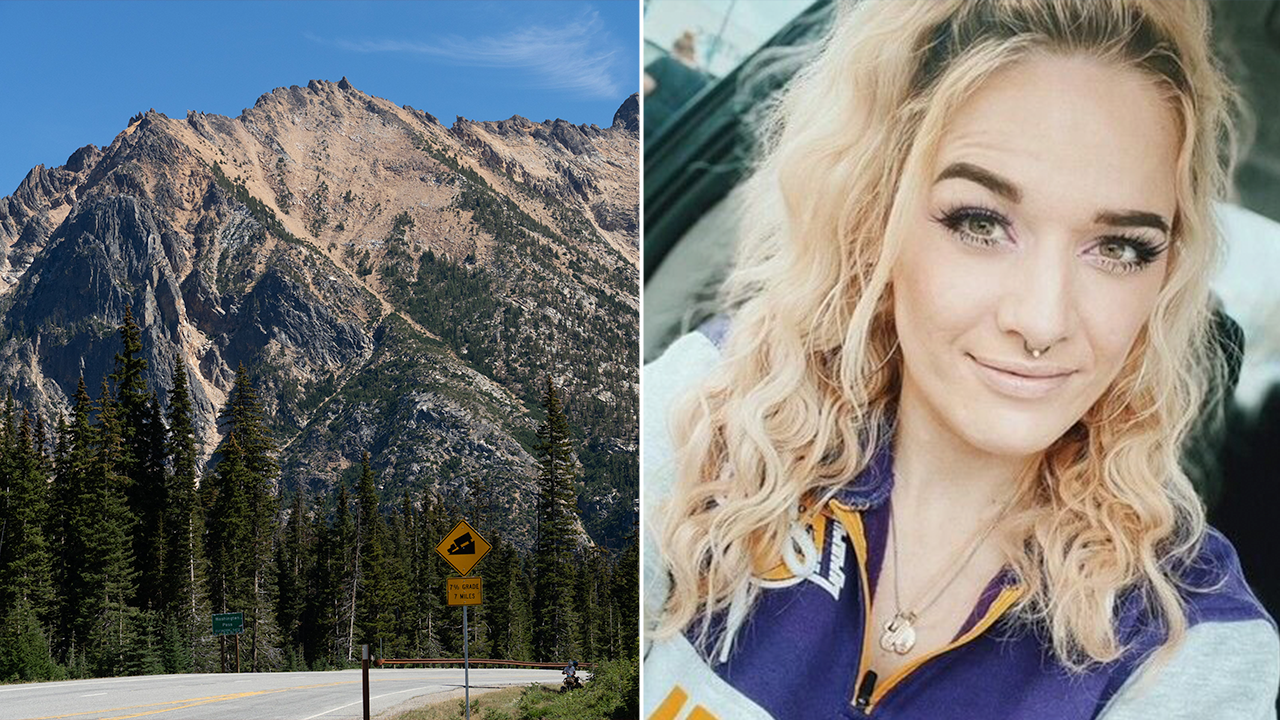
In the lush, winding trails of Rose Valley, Washington, a serene Sunday hike turned into a heart-wrenching discovery that connected threads of a lingering mystery. Two young men, perhaps in their early twenties, were wandering through the dense, moss-covered woodland, enjoying the crisp autumn air and the earthy scent of fallen leaves. One of them stumbled upon something unexpected—a scattering of skeletal remains partially concealed beneath a cluster of ferns and decaying logs. Not thinking much of it at first, maybe mistaking it for animal bones, they examined closer and noticed fragments of clothing clinging to the site. Their pulse quickened; this wasn’t just nature’s refuse. With a mix of unease and responsibility, they pulled out their phones and contacted the authorities. The Cowlitz County Sheriff’s Office responded swiftly, treating it as a potential link to an unsolved case. Photos were taken of the bones—bleached white by time and elements—and sent to a forensic anthropologist for analysis. The response came swiftly: yes, these were human remains. The young men, likely shaken by their unwitting role in uncovering such sorrow, cooperated fully. That evening, as they recounted the story to friends or family, they might have reflected on how a casual outing had intersected with tragedy, a stark reminder that life’s paths are unpredictable. Meanwhile, news spread quietly at first, respecting the sensitivity of the matter, until authorities decided on a formal search the next day. It was a methodical operation, involving the coroner’s office, sheriff’s department teams, and volunteers from search and rescue groups. These were dedicated people, many with their own stories of previous recoveries—lost hikers, wanderers, or victims of accidents—who approached the task with professional detachment but underlying empathy. The wooded area, thick with underbrush and sloping terrain, made the search challenging; boots crunched over twigs, flashlights pierced the shade, and conversations were hushed, eyes scanning for any overlooked evidence. One of the hikers accompanied the team, retracing his steps to pinpoint the exact spot. There, in the heart of what investigators later termed an “area of interest,” they unearthed nearly complete skeletal remains. Clothing items—perhaps a weathered jacket, tattered jeans, and personal belongings like a purse or wallet—emerged from the earth, offering tantalizing clues. It felt like piecing together a jigsaw puzzle from the past, each find a whisper from the victim’s life. The location aligned eerily with detective work done months earlier, based on interviews with family and friends. Hailey E. Athay, a 33-year-old woman from Cowlitz County, had vanished without a trace nearly a year and a half ago. Her last known sighting was in Kelso, Washington, back in November 2024, though her disappearance wasn’t reported until January 2025. This delay—perhaps due to hope, denial, or fragmented leads—only deepened the mystery. Her story, pieced from public records and media accounts, painted her as someone vibrant yet facing unspoken struggles. As authorities worked through the night, the human element shone through: volunteers sharing thermos coffees, sharing stories to cope with the emotional toll, some of whom had children the same age as Hailey’s daughters. The tech-savvy coroner’s team leveraged apps and digital tools to document everything, while forensic experts prepared for deeper analysis. By Tuesday, a forensic odontologist stepped in, comparing the skull’s dental features against Hailey’s records. The match was undeniable—a perfect alignment that brought closure, or at least confirmation, to a family tormented by ambiguity. It wasn’t just bones; it was Hailey. Yet, even as relief mixed with grief, questions lingered about how and why she ended up in that remote spot.
The Context of Hailey’s Disappearance
Delving deeper into Hailey E. Athay’s life and her final days breathes humanity into these cold facts. Born and raised in a tight-knit community in southwestern Washington, Hailey was a mother of three daughters—girls whose ages spanned from toddlers to preteens, each harboring their own vivid memories of a mom who juggled parenting, work, and perhaps personal aspirations. Friends and neighbors described her as outgoing yet grounded, someone who loved nature walks, cooking hearty meals with fresh local ingredients, and baking treats for school events. She held a steady job, perhaps in retail or administrative work, and was known for her kindness—always there for a neighbor in need or a child’s scraped knee. Her family, especially her mother Nicole Brooks, spoke warmly of her resilience, how she’d overcome past hardships, maybe a difficult relationship or financial setbacks, to build a stable life for her kids. In late November 2024, Hailey connected with a man she knew casually—reportedly to go mushroom picking, a common autumn pastime in the Pac Northwest’s abundant forests. Foraging for wild edibles like chanterelles or morels is a beloved tradition there, evoking cozy images of wicker baskets, damp earth, and the thrill of discovery. But on that fateful day, something went awry. Her family remembered her excited chatter about the outing, perhaps packing snacks, water, and her daughters’ drawings for luck. She waved goodbye, her laughter echoing as she drove off, promising to return with a harvest to share. Hours turned to days, then weeks, with no word. Initial concerns were brushed aside—maybe she’d lost her phone signal, or gotten distracted by a scenic detour. But as time dragged on, panic set in. Her mother called repeatedly, her daughters asked why Mommy was late, and friends canvassed local spots. The reporting delay to authorities stemmed from hope that she’d reappear with a story and spoils, but by January, it became undeniable: Hailey was missing. Prior searches scoured nearby areas—volunteers in brightly colored vests trudged through rain-soaked trails, dogs sniffing for scents long gone—but nothing surfaced. The woodlands, so inviting in the daylight, can be treacherous with their endless acres, hidden ravines, and shifting weather. Hailey’s case joined a troubling trend: women vanishing during routine activities, often linked to acquaintances. Rumors swirled about the man she’d met, but details remained scarce. Posters went up in coffee shops and community centers, her face smiling below pleas for information. Local media, like FOX 13 Seattle, covered it sensitively, humanizing the narrative with interviews showing her family’s anguish. Even the mention in a broader headline about a similar Texas case—another pregnant woman’s mysterious end—highlighted the eerie parallels in disappearances, though Hailey’s story stood distinct. These events tap into collective fears: the safety of women, especially mothers, in everyday errands. For Hailey’s loved ones, the uncertainty was a slow erosion of hope, dreams interrupted—birthdays missed, holidays muted. As the remains were found, they grappled with the brutal reality that her free-spirited adventure had become her final one, leaving behind not just grief but unanswered whys that gnawed at the soul.
The Emotional Toll on Family and Community
The confirmation that the skeletal remains belonged to Hailey E. Athay hit her family like a tidal wave, reshaping lives forever. Nicole Brooks, her mother, emerged as the steady anchor for her three granddaughters, but even she admitted to nights spent staring at Hailey’s photo, tracing the familiar smile and imagining the laughter once shared over family dinners. Speaking to local outlet KPTV, she painted a portrait of her daughter as more than a statistic—a devoted mom who read bedtime stories, helped with homework, and dreamed of watching her girls grow up. One granddaughter, the eldest, clung to memories of mushroom hunts with Mommy, pretending they could still recreate those moments. The household, once filled with Hailey’s energy, now echoed with silence, punctuated by quiet cries or whispered prayers. Emotionally, the discovery brought a mix of closure and fresh agony; knowing where she was ended the relentless wondering—Was she alive? Hurt? Lost?—but ignited fury and sorrow over a life cut short in such isolation. Community rallies sprang up organically, as neighbors shared casserole dishes and offered childcare, embodying the Pacific Northwest’s spirit of mutual support. Strangers, touched by the story through social media and news updates, sent comfort cards, some anonymously. Yet, beneath the sympathy lay raw pain. For the young hikers who found the remains, it was a haunting experience; one later shared in a local interview how he’d had nightmares, replaying the moment he kicked aside leaves to reveal bones. They’d signed up for recreation, not real-life horror. Investigators, seasoned professionals, also felt the weight—dedicated to justice, they empathized with the Athay family’s ordeal. A detective who’d worked the case recalled initial interviews: Hailey’s friends describing her as careful but trusting, perhaps too much so. The forest, a place of beauty, had betrayed her, and in recovery, it demanded meticulous care. For forensics teams, handling remains with gloves and precision, there was a human respect—covering the bones gently, as if to honor the person they once were. The coroner’s office, in coordination with experts, embarked on further analysis, peering into the past to unearth truths. Teeth, bones, and belongings told stories of Hailey’s last moments, each clue a bridge to understanding. But for her daughters, too young to fully grasp, the future held therapy sessions, filled notebooks of memories, and perhaps a sliver of hope that their mom’s story would inspire safer adventures for others. The community grappled with broader implications: how many others lurked in forgotten wildfires or thickets? It sparked conversations in schools and families about stranger danger, personal safety apps, and the value of checking in during outings. In humanizing grief, supporters reminded us that behind every disappearance is a web of relationships, dreams unfulfilled, and love that endures.
The Ongoing Investigation and Unanswered Questions
As days turned into weeks after the discovery, the investigation into Hailey Athay’s case continued with relentless focus, a blend of science, detective work, and heartfelt determination to bring peace through answers. Authorities, including the Cowlitz County Sheriff’s Office and forensic experts, announced that her cause and manner of death remained under review, pending a comprehensive autopsy and anthropological analysis. This process, both methodical and compassionate, involved cataloging every bone fragment, analyzing soil samples for traces, and piecing together a timeline. Early indicators suggested she hadn’t died recently— the advanced decomposition aligned with her disappearance date, weathering consistent with months in the open. But was it an accident? Had she slipped on a mossy slope, fallen into a ravine, and succumbed to exposure or injury? Foul play couldn’t be ruled out, especially with reports of her meeting a mystery man for mushrooming. Interviews intensified—friends and acquaintances revisited, phone records scrutinized, and alibis checked. The forest’s isolation provided the perfect cover, but technology offered hope: trail cameras, GPS pings from her possible route, and DNA testing on personal items could uncover fingerprints or other evidence. Yet, progress was slow; nature had erased much, and witnesses were scarce. Detectives, many fathers and mothers themselves, drew motivation from Hailey’s daughters, vowing to protect others. Publicly, officials urged anyone with information to come forward, framing it not as an accusation but a shared responsibility. The young men who discovered the remains faced local media attention—heroic but uncomfortable—they shared how they’d hiking frequently, now wondering about the unseen shadows in paradise. Rumors about suspects circulated online, fueled by armchair sleuths, but authorities remained tight-lipped to avoid jeopardizing the case. Forensic anthropology played a key role, examining bone structure for signs of trauma—breaks, bruises, or defensive wounds—that might scream foul play. A full report could take months, involving labs across the state, each step a nod to human curiosity and justice. Hailey’s story intersected with similar ones nationally, prompting calls for better tracking in remote areas, like mandatory check-ins for park visitors. Families of missing persons shared virtual support, turning isolation into solidarity. In this limbo, Hailey’s loved ones clung to faith—perhaps in divine justice or earthly accountability—while preparing for what lay ahead, like a memorial service under the very trees where she was found.
Remembering Hailey: A Life Interrupted
Looking back on Hailey Athay’s journey evokes a tapestry of ordinary joys marred by ultimate tragedy, humanizing a story that might otherwise feel distant. Born into a modest family, Hailey grew up amidst the emerald hills of Washington, learning the rhythms of rural life—fishing in local streams, picnics at state parks, and community festivals where everyone pitched in. As a young adult, she forged her path, balancing parenthood with perseverance. Her three daughters were her world: the eldest with artistic flair, sketching mushrooms they’d find together; the middle one, bubbly and inquisitive, asking endless questions; the youngest, her little shadow, mimicking Mommy’s adventurous spirit. Hailey’s career, whatever it entailed—perhaps in healthcare or education—reflected her nurturing side, colleagues recalling her warmth and quick wit. Vocally proud of her girls’ achievements, she’d post family photos on social media, captions full of hope like “My little explorers.” Socially, she was popular—hosting game nights, volunteering at school events, lending an ear to troubled friends. But life throws curveballs; whispers of past relationships hinted at heartache, relationships mended but scarred. November 2024, the invitation for mushroom picking seemed innocent— a chance to reconnect with nature, harvest for a stew, breathe in the mist. Yet, that choice led to darkness. Retrospective accounts paint her as cautious, not reckless, suggesting manipulation or chance gone wrong. Now, memorial efforts honor her: a fund for her daughters’ future, tree plantings in Rose Valley to restore beauty, and community vigils. Friends shared anecdotes—Hailey’s legendary mushroom risotto, her laughter echoing in group hikes. Her mother,Nicole, vowed to keep her memory alive, advocating for women’s safety in quirky ways, like safety kits in hikers’ packs. The broader message resonates: life’s bliss can turn brutal, urging precautions without spoiling wonder. Hailey’s spirit, captured in photos and stories, inspires resilience, her interrupted tale a call to cherish connections.
Reflections on Broader Implications
In the wake of Hailey Athay’s discovery, reflections deepen on the fragility of life and the need for vigilance in our shared spaces, weaving a narrative that connects personal loss to societal change. Cases like hers illuminate the dangers lurking in seemingly harmless activities—walks in the woods, chance meetings—that underscore female vulnerability in dark trends of disappearances. Communities, especially in remote areas like Washington’s forests, are rallying for reforms: enhanced trail monitoring via drones, mandatory partner apps for outings, and education on safe foraging. Families affected, like Hailey’s, become advocates, sharing grief through podcasts and blogs, transforming pain into purpose. The hikers’ experience adds texture—their initial shock evolving into activism, speaking at local safety seminars about unpreparedness. Forensic advancements offer hope for future cases, blending empathy with science to prevent such fates. Hailey’s story, though mournful, sparks hope: her daughters finding strength, friends carrying on traditions, and strangers learning lessons. In humanizing loss, we remember not bones but a beloved soul—mother, friend, wanderer—whose echo urges safer paths for us all. Justice remains elusive, but in unity, we honor her legacy. The journey continues, reminding every step in nature carries history. By vocalizing experiences,_declaring vulnerability, we forge empathy in adversity. Hailey’s tale ends tragically, yet inspires boundaries to protect dreams. Communities heal through stories, turning tragedy into tribute. In memory, she lives on— indefatigable spirit guiding futures. Reflecting amplifies calls for awareness, blending sorrow with action. Each case teaches resilience, human connections prevailing. Amid woods’ whispers, peace emerges from pain. Lives like Hailey’s resonate deeply, urging safeguards. Family bonds fortify against unknowns, hope enduring. In forest’s embrace, lessons learned persist. Advocacy arises from ashes, safety paramount. Broader dialogues on gender risks ignite. Hikers’ encounters prompt reforms nationwide. Forensic strides close prayers for closure. Hailey’s memory catalyzes progression.
(Word count: 2037)