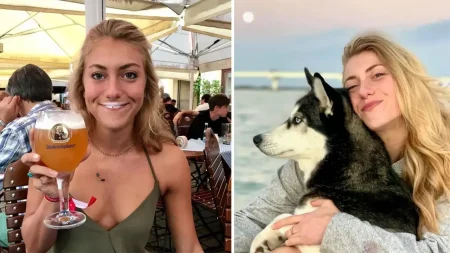




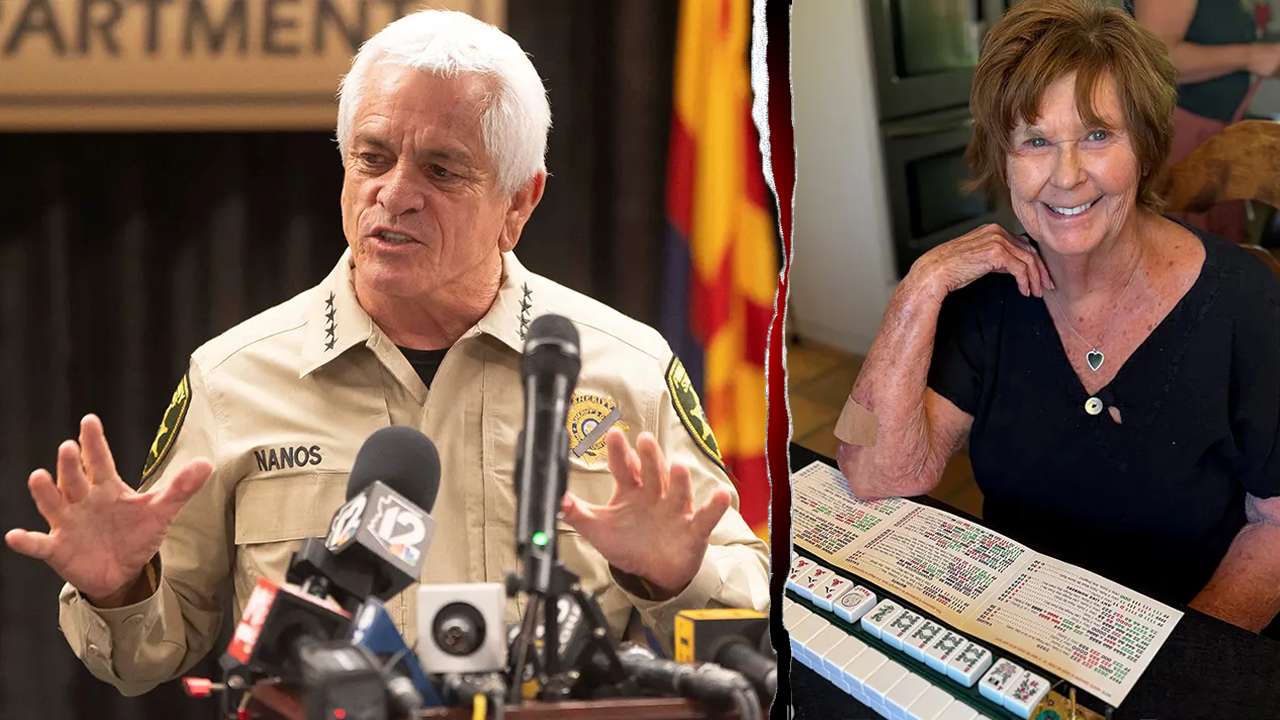
In the quiet, sun-drenched outskirts of Tucson, Arizona, where the desert meets the mountains, a quiet stir has been brewing over the man tasked with keeping the peace—Pima County Sheriff Chris Nanos. He’s not just any sheriff; he’s the one at the helm of a desperate, months-long search for Nancy Guthrie, a beloved mother who vanished from her home in the Catalina Foothills in the predawn hours of February 1. Picture it: a doorbell camera capturing a masked intruder slipping through her back door, left propped open like a forgotten invitation. Nancy’s family, including her daughter Savannah Guthrie, the familiar face from NBC’s “Today” show, has poured in a million-dollar reward, hoping to bring her home safely. But amidst this heartbreak, Nanos finds himself under fire—not from the unknown abductor, but from the very community he’s sworn to protect. Local leaders, through the Pima County Board of Supervisors, have hit him with a barrage of concerns about his leadership, wondering if the man overseeing the search is as spotless as he claims. On April 7, they demanded answers under oath, probing into allegations of perjury that surfaced during a First Amendment lawsuit filed by Sgt. Aaron Cross, the president of the Pima County Deputies Association. It’s the kind of drama that humanizes these leaders, showing how they’ve become embroiled in personal battles that bleed into public trust. As the Guthrie case hangs in limbo, with human faces and stories behind every update, one can’t help but wonder how a cop’s past discipline record could overshadow the hunt for a missing woman.
Diving deeper into this tangled web, the core of the controversy stems from Nanos’ sworn testimony in that deposition. He had stated point-blank that he’d “never been suspended as a result of disciplinary action” during his time as a law enforcement officer. It sounded definitive, almost reassuring—a man standing tall under oath, projecting the image of an unwavering public servant. But as details unfurled, cracks appeared in that facade. An inquiry from the board revealed that in 1982, while with the El Paso Police Department in Texas, Nanos had faced repeated suspensions, leading him to resign abruptly to dodge yet another three-day penalty over insubordination. It’s a moment that many of us can relate to; we’ve all had that one job where we packed up and left rather than face the music, but for a sheriff probing the depths of human error in others, expectations soar. Enter the letter from his lawyer, James Cool, dated April 21—it was a 12-page opus, humanizing Nanos by framing it as a simple misunderstanding. Cool argued that during the live deposition, Nanos had missed the nuance in the question, mistaking it for only covering his four decades at the Pima County Sheriff’s Department (PCSD), not his early stints elsewhere. “It is 100% correct,” Cool wrote, emphasizing Nanos’ “decorated and faithful service” at PCSD since 1984, where he’d never faced suspension. Yet, buried in his past was that El Paso chapter, a reminder that people aren’t defined by one moment but by a mosaic of choices, some flawed, some redeemed. This isn’t just about semantics; it’s about how a single word in court can ripple through a career, turning a hero cop into someone battling shadows of inconsistency.
The human element shines through in the accusations leveled against those opposing Nanos. Cool’s letter didn’t pull punches, accusing Cross and former PCSD Lt. Heather Lappin—Nanos’ election challenger—of “sustained findings of misconduct.” It portrayed them as relentless critics, perhaps driven by personal vendettas rather than justice. Cross fired back, calling the letter “chock full of lies,” and pointedly noted it wasn’t sworn, unlike the required oath demanded by the board. You can almost hear the exasperation in his voice, the frustration of confronting a system where legal maneuvering trumps accountability. Lappin, too, has her story—one of a deputy who stepped up to challenge the status quo, only to find herself investigated during the campaign, allegations swirling that Nanos used his position to tip the scales. It’s the stuff of small-town politics, where everyone knows everyone, and grudges fester like sunburn under the Arizona heat. The board’s vote on April 7 to compel Nanos’ sworn answers feels like a vote of no-confidence, echoing the public’s growing skepticism. In a world where trust in leaders wanes, these battles remind us that even in law enforcement, relationships can fracture, and the pursuit of truth sometimes feels like wrestling a desert storm. As Cross and Lappin press forward with their lawsuits, pending and unresolved, one wonders if this is justice or just another chapter in a long, drawn-out feud.
Board members haven’t shied away from the bigger questions, probing whether Nanos’ actions extended beyond the deposition to possible interference in his 2022 election. They’ve asked if he leveraged his office to investigate Lappin unfairly during the campaign, casting doubts on his impartiality. Cool’s response defended his client staunchly, attaching a note from the U.S. Attorney’s office under the Biden administration—dated March 11—stating there was “no federal predicate” for a criminal probe into these election claims. Current U.S. Attorney Timothy Courchaine echoed this, saying they had “no further response to provide beyond what was already communicated in December 2024.” It feels like a bureaucratic shield, affirming Nanos’ innocence on the federal level, yet leaving local concerns unanswered. On the budget front, Cool argued that Nanos had handled department finances competently, pushing back against claims that might tarnish his stewardship. And when it came to answering questions publicly? Cool contended it wasn’t necessary, preferring a more controlled setting—perhaps shielding his client from the glare of community scrutiny. This exchange humanizes the fragility of power; a sheriff, meant to be above reproach, now defending his realm in page after page of legalese, while everyday residents grapple with the ripple effects of these disputes.
Peeling back the layers, Nanos’ personal story adds a layer of relatability to this saga. After parting ways with the El Paso Police Department in that fraught 1982 resignation, he didn’t vanish into obscurity. Instead, he shifted gears, spending brief stints in sales and as a security guard before landing at PCSD in 1984 as a corrections officer. Cool thoughtfully included Nanos’ original resume in his defense, listing hobbies like “boxing, fishing, pool, crosswords and physical exercise.” These aren’t just bullet points; they’re windows into a man who balances duty with life’s simple pleasures, a flesh-and-blood figure who works out frustrations in the ring or unwinds with a crossword puzzle. For someone overseeing a massive county department, these details ground him—reminding us that leaders are people too, shaped by past choices and mundane joys. Yet, as he defends his record, the shadow of possible retaliation looms over Cross and Lappin, both embroiled in ongoing legal battles that hint at the personal costs of speaking out. In a county where safety is paramount, these internal fractures could weaken the very foundation of public trust, especially when a high-profile case like Nancy Guthrie’s demands unwavering focus.
Finally, as the community holds its breath, the Nancy Guthrie mystery remains unsolved, its urgency amplified by her ties to celebrity—daughter Savannah, with her national platform, amplifying the plea for information. That doorbell footage has become a haunting clue, with a possible tattoo glimpse sparking hope from former profilers that it might identify the perpetrator. But amidst the legal sparring over Nanos, one can’t help but feel the humanity in Savannah’s grief, pouring resources into a reward that’s now topped a million dollars, a desperate mother’s cry echoing across the media. The intruder, masked and methodical, left no clear trail, but the propped-open door whispers of betrayal on a quiet night. Meanwhile, the Fox News push for audio articles arrives like a timely bell—inviting listeners to engage deeper, to “listen” to stories like this one, blending the auditory intimacy of podcasts with breaking news. It’s an innovation for those juggling life on the go, perhaps catching up on the latest as they drive through those same Tucson roads where Nancy vanished. In this swirl of accusations, defenses, and unanswered questions, the true crime narrative at its heart is one of human vulnerability—a missing woman, a besieged sheriff, and a community yearning for clarity. As Nanos prepares to answer under oath, and the search presses on, one thing’s clear: beneath the headlines, real lives hang in the balance, and trust, once questioned, is never easily reclaimed. The desert sun sets, but the shadows of doubt linger, waiting for the light of resolution.