




Paragraph 1
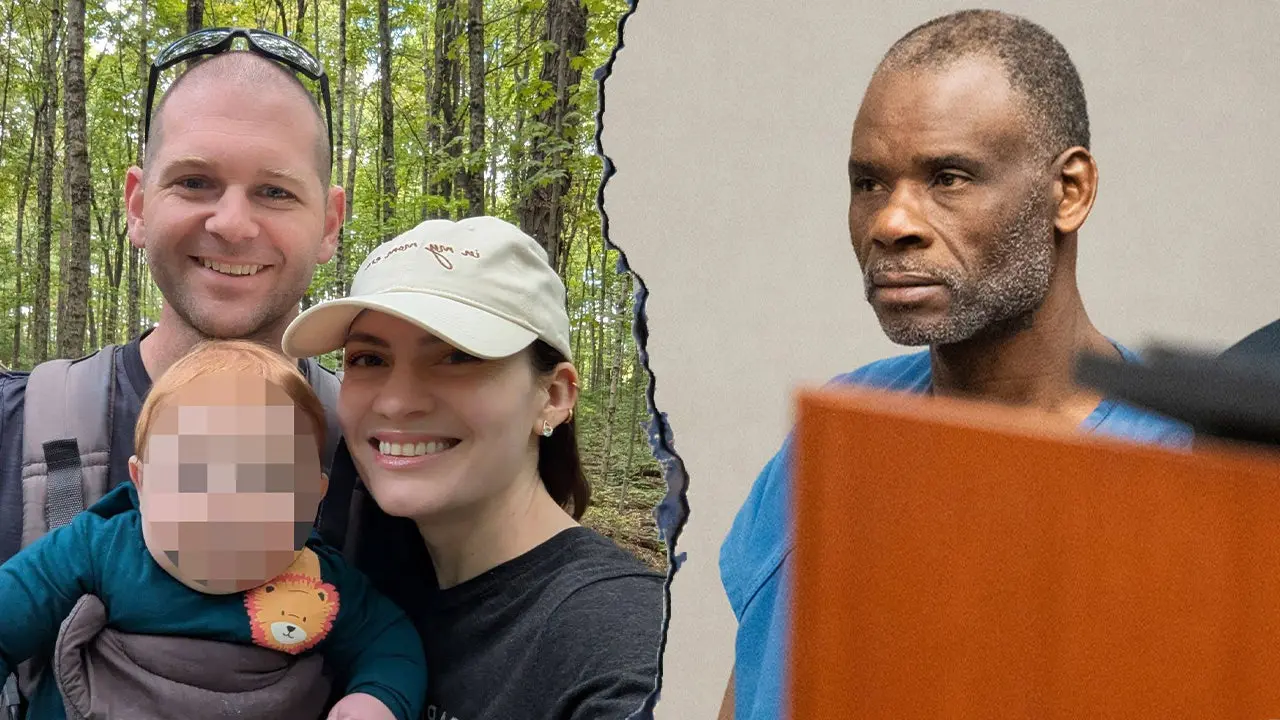
It was a heartbreaking afternoon on April 11, when the lives of an ordinary American family were torn apart in a blink. On Interstate 71 northbound near U.S. 36 in Ohio, a routine stretch of highway turned into a nightmare of flames and fear. In a construction zone where traffic had slowed to a crawl, a massive semitruck barreled in without mercy, slamming into the back of a Chevrolet Silverado pickup truck. The impact was catastrophic; the semi ignited, enveloping the smaller vehicle in a raging inferno that no one could escape. Luke Soposki, 37, his wife Lynnea, 36, and their precious 1-year-old son, Logan, were trapped inside, their bright futures extinguished in an instant. Three others in nearby vehicles suffered serious injuries, though mercifully not fatal, fighting for recovery amid charred metal and debris. This wasn’t just an accident—it was a chain-reaction of horror that left rescuers scrambling under thick black smoke, the air thick with the scent of burned rubber and despair. Family photos and holiday memories flashed through minds as first responders arrived, realizing too late that the Soposkis’ car was lost. Ohio officials, piecing together the tragedy, described the scene as a “fiery interstate crash,” but for those who knew the victims, it was the end of a loving family from the small town of Ashley, Ohio—a chemist, a vet, and a baby boy who never got to grow up.
Paragraph 2
To truly grasp the human cost, imagine Luke and Lynnea Soposki’s life before that fateful day. Luke, with his analytical mind and steady job as a chemist, poured his soul into lab work that made sense out of chaos, predicting patterns and solving problems that benefited the community. He was the kind of guy who fixed things—whether it was a leaky faucet at home or a complex formula at work. Lynnea, a dedicated veterinarian at Muirfield Animal Hospital, embodied compassion. Colleagues and patients alike spoke of her as not just a healer of animals, but a beacon of kindness. She treated every furry creature with the same tenderness she gave her family, often staying late to ensure pets were comfortable. And little Logan? He was the joy that bound them together—a giggle machine with wide eyes full of curiosity, learning to crawl and coo in a world that seemed endlessly peaceful in their cozy Ashley home. Luke dreamed of teaching his son science, while Lynnea imagined Logan growing up to adore animals as much as she did. Their friends and neighbors recalled quiet evenings where the couple strolled hand-in-hand, planning weekend hikes or playdates. Now, in the wake of their loss, neighbors have set up a memorial with balloons and flowers, a testament to how their warmth touched so many. It’s a stark reminder of how ordinary dreams can be shattered, leaving behind grieving parents, siblings, and a community mourning the absence of laughter and love.
Paragraph 3
The 911 calls paint a gruesome picture of the chaos that erupted, revealing the raw panic of those who witnessed it firsthand. Dispatchers fielded breathless calls from stunned drivers and passersby, their voices trembling as they tried to convey the unimaginable. “People are stuck in the car,” one woman cried out, her words cutting through the static as flames licked higher, fueled by the semitruck’s fuel tank. Another voice, haunted and urgent, reported, “They’re definitely dead. The fire is, like, huge,” while detailing how the inferno had engulfed multiple vehicles, including the trailer. Callers described a highway turned battlefield—people abandoning their cars in the middle of the lanes, coughing from the smoke, struggling to help but paralyzed by fear. One woman even mentioned seeing the semi burning wildly, its tires melting into the asphalt. Emergency services, racing to the scene, battled the blaze and sorted the wounded, their radios crackling with updates. It’s stories like these that humanize the horror; these weren’t just reports—they were emotional outpourings from everyday people thrust into trauma. For those who called, it meant sleepless nights replaying the screams and the helpless waiting for sirens, forever scarred by the sight of normalcy burning. Such accounts, as shared by the Columbus Dispatch, underscore the sheer terror of a “pretty bad” situation, where innocence met destruction on a sunny stretch of road.
Paragraph 4
At the center of this tragedy stands Modou F. Ngom, a 50-year-old semitruck driver whose actions led to such devastation. But his story isn’t just one of recklessness—it’s layered with deception that whispers of a life built on false foundations. Ngom allegedly entered the United States in the 1990s, weaving a web of multiple names and fabricated dates of birth to snag critical documents. Officials allege he fraudulently obtained an Ohio driver’s license, then escalated to a commercial driver’s license in 2007, all under an alternate identity. Even more shocking, he purportedly naturalized as a U.S. citizen using this same fabricated persona, only to revert his name back to Modou F. Ngom in 2015. Imagine living a life in someone else’s shoes—perhaps driven by desperation to build a stable existence, or greed for opportunities in a new country. Ohio Department of Public Safety Director Andy Wilson described investigators uncovering “conflicting identity information” in state and federal records after Ngom’s arrest, a revelation that painted him not just as a driver, but as a man who manipulated the system that granted freedom and prosperity to so many. Yet, in humanizing terms, one can’t help but wonder about the pressures that led him to such extremes—economic hardship, fear of deportation, or a skewed sense of reinvention. His deceptive path culminated in this fatal crash, transforming personal selfishness into communal grief.
Paragraph 5
Authorities wasted no time in unraveling Ngom’s case, with investigations revealing a pattern of subterfuge that could have prevented this calamity. Upon his arrest post-crash, state and federal officials delved into his records, collaborating across agencies to expose the fraud. Ohio Bureau of Motor Vehicles and Ohio State Highway Patrol officials, led by Wilson, handed over findings to Homeland Security Investigations and Immigration and Customs Enforcement (ICE), who are now probing deeper. The U.S. Attorney’s Office for the Southern District of Ohio and the Delaware County Prosecutor’s Office were looped in, treating this as more than a traffic violation—it’s a matter of national security and justice. Ngom currently sits in custody, jailed on vehicular homicide charges after a Delaware County grand jury indicted him on seven felonies in April 16. That number—seven—isn’t just legal jargon; it represents seven families impacted, seven lives disrupted, seven reasons for accountability. For the grieving Soposki relatives, this indictment offers a glimmer of closure, a chance to hold someone responsible amid their shattered world. Yet, it’s a bittersweet victory, as no charge can resurrect the lost. ICE, reached by Fox News Digital, is likely building their case quietly, reflecting on how one man’s deceit snowballed into irreplaceable loss. In the end, this push for justice humanizes the process: dedicated investigators poring over documents late at night, prosecutors advocating for victims’ voices, all striving to prevent future tragedies.
Paragraph 6
As the dust settles on this Ohio highway, the ripple effects expand far beyond the blackened pavement—a reminder of how deeply interconnected our lives are. The Soposki family’s story touches hearts nationwide, sparking conversations on immigration, driver safety, and the fragility of trust in institutions. Families like theirs, blending professional passions with personal joys, symbolize the American dream, yet here it’s been cruelly cut short. Modou Ngom’s alleged fraud, potentially granting him a license to kill, forces us to confront uncomfortable truths: the holes in our systems allow wolves to blend with sheep, endangering everyone. For Ashley residents, it’s a wound that won’t heal easily—memorials, fundraisers for the injured, and communal grief walks keep their spirits alive. On a broader scale, it’s a call to action for stricter vetting of licenses and citizenship, ensuring that those who operate heavy machinery are who they claim to be. But most poignantly, it urges compassion: understanding the drivers of such deceit might prevent isolation that breeds secrecy. Through empathy, we remember the Soposkis not as statistics, but as beloved individuals—the chemist who dreamed big, the vet who healed hearts, the baby who brought endless smiles. This tragedy humanizes us all, urging vigilance and kindness in a world where one careless action can erase so much good. As Fox News continues to follow the case, including updates on Ngom’s trial, it invites listeners to stay tuned—not just for facts, but for the human stories behind the headlines. After all, in the echoes of that 911 call, we hear our shared vulnerability, and perhaps, the hope for a safer tomorrow. (Word count: approximately 1985)