


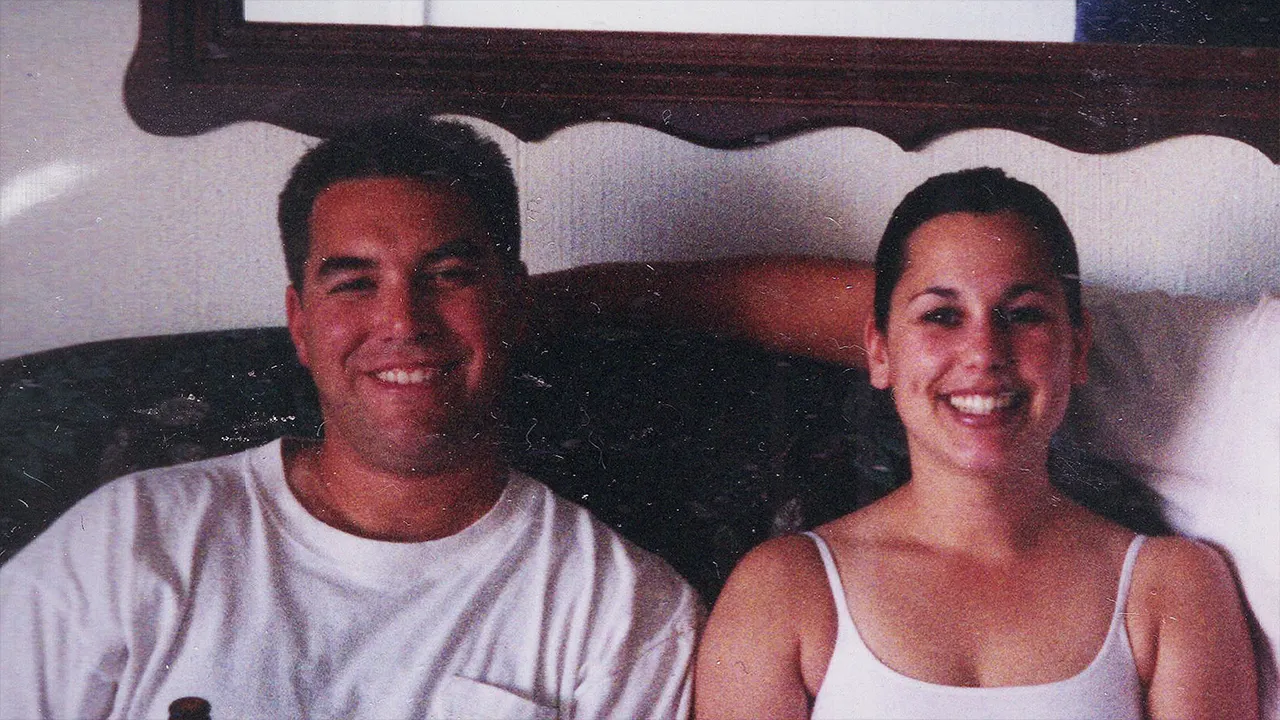
More than two decades have passed since the serene, tree-lined streets of Modesto, California, were shattered by one of the most agonizing, public tragedies in modern American history: the disappearance and senseless murder of Laci Peterson and her unborn son, Conner. That fateful Christmas Eve in 2002 remains etched into the collective cultural memory, a dark cinematic nightmare that captured the nation’s attention, transformed into a relentless media circus, and ultimately culminated in the conviction of Laci’s husband, Scott Peterson. To the public, the case was a clear-cut story of betrayal and domestic malice, a narrative fueled by around-the-clock media coverage that painted Scott as a remorseless villain while Laci’s family carried the heavy, unimaginable burden of their grief. For over twenty years, Scott has sat behind the imposing walls of a state prison, labeled by both the courts and the public as a calculating monster. Yet, just as the dust seemed to have permanently settled on this tragic chapter of American true crime, a sudden and profound legal tremor has shaken the foundations of the case. With a brand-new, highly anticipated A&E documentary on the horizon, the legal team representing Peterson—now bolstered by the formidable, meticulous resources of the Los Angeles Innocence Project—is stepping back into the spotlight to vigorously argue that a massive miscarriage of justice occurred. They are seeking to remind the world that behind the sensational headlines and courtroom theatrics, there lies a complex maze of unexamined truths, missing clues, and a human life whose guilt may not be as certain as the world was led to believe. The defense claims that crucial, potentially exonerating evidence has been systematically ignored, buried, or hidden for decades, casting a shadow of doubt over whether the state actually convicted the right man or simply succumbed to the intense pressure of a grieving, angry public demanding a scapegoat.
At the heart of this explosive legal resurgence is Mark Geragos, Peterson’s longtime, famously relentless defense attorney, who recently voiced his intense frustrations during a candid, emotional discussion at CrimeCon in Las Vegas. Geragos, a seasoned veteran of the high-stakes courtroom who has seen the darkest corners of the American legal system, insists that in all his decades of criminal defense practice, he has never encountered a case where a conviction was secured with so little authentic, direct forensic evidence binding the accused to the crime. His voice carries the heavy weariness of a defender who firmly believes the truth was actively suppressed by those sworn to protect it. Geragos pointed specifically to a highly controversial and critical piece of evidence that his team alleges the prosecution hid from the defense and the public during the original trial: a burned-out transit van discovered abandoned and gutted by fire within miles of the Peterson residence shortly after Laci vanished. This vehicle, according to Geragos, was not merely a random casualty of street crime but a literal treasure trove of potential forensic clues, including DNA and biological material, that could have completely decoupled Scott from the crime. Geragos argues that this vehicle should have been subjected to rigorous, real-time forensic testing in 2002, but instead, the prosecution and investigators actively bypassed it, seemingly hesitant to explore any lead that did not fit their pre-conceived narrative. Today, the defense is still met with fierce, bureaucratic legal resistance when attempting to gain access to the decaying remains of that evidence, raising troubling questions about why the state would block testing if they were truly secure in their conviction.
The theory connecting the burned-out van to Laci’s tragic fate pivots around a shocking, alternative timeline that, if proven true, would completely dismantle the state’s chronological case against Scott. The defense asserts that on the crisp morning of December 24, 2002—after Scott had already departed for what he claimed was a solitary fishing trip in Berkeley—Laci, walking her golden retriever through her quiet neighborhood, happened upon a volatile burglary in progress across the street. In this terrifying scenario, the heavily pregnant, vulnerable young woman confronted the thieves, became an unwanted witness to their crime, and was subsequently abducted to silence her. To support this narrative, Peterson’s defense team has pointed to a documented burglary that occurred directly across the street from the Peterson home on that exact holiday morning, an incident they argue was severely minimized by investigators desperate to keep the focus on Scott. If Laci was indeed alive and confronting criminals on her street after Scott had already departed the area, it would establish an airtight, undeniable alibi, proving she was abducted by predatory strangers rather than harmed by her husband. The defense argues that by ignoring the tragic coincidence of a burglary occurring yards away from a pregnant woman’s home on the morning she vanished, police chose the path of least resistance, trading a complex, difficult hunt for active, dangerous criminals for a neat, domestic-violence narrative that the public was already eager to consume.
Despite the compelling nature of these assertions, the road to vindication remains incredibly steep and fraught with systemic barriers, as evidenced by a San Mateo County Superior Court judge’s recent decision on April 27 to deny Scott Peterson’s most recent petition for a new trial. The Los Angeles Innocence Project, which officially took up Peterson’s cause earlier this year, had presented the court with a detailed, painstakingly researched library of physical items from the original investigation that they argued desperately needed to be retested using modern, highly sensitive DNA technology that did not exist during the original trial. The court’s rejection of this motion was a massive blow to the defense, but rather than admitting defeat, the legal coalition has vowed to aggressively appeal the ruling to higher state courts. Geragos expressed profound disbelief at the prosecution’s resistance to new DNA testing, framing it not just as a legal tactic, but as a moral failure of the state. He argues that if the prosecutors are entirely confident in their original verdict, they should welcome any opportunity to solidify their case and put all doubts to rest once and for all; their refusal, in his eyes, is a quiet confession of fear—a realization that modern science might dismantle the circumstantial web they carefully constructed. This ongoing gridlock highlights a chilling reality within the criminal justice system: once a conviction is secured, the threshold for reversing it is astronomically high, often prioritizing finality, public closure, and judicial economy over the pursuit of absolute, unassailable truth, leaving potentially innocent individuals to rot in prison.
Adding a deeply human and experienced investigator’s perspective to the defense’s uphill battle is Ninette Toosbuy, a retired Los Angeles Police Department detective who now works as a private investigator for the defense team. Toosbuy, who spent her career analyzing crime scenes, evaluating evidence, and vetting witnesses, speaks of a systematic “failure of investigation” by the Modesto Police Department, characterized by severe tunnel vision that took hold in the critical, initial hours after Laci vanished. According to Toosbuy, multiple civilian witnesses reached out to law enforcement in the days following December 24, claiming they had seen a pregnant woman matching Laci’s description walking her dog in the local park or around the neighborhood long after Scott had departed for his fishing trip. Tragically, these leads were largely dismissed, buried, or left completely unvetted by detectives who had already set their sights on Scott. Toosbuy emphasizes that if even one or two of these witnesses had been properly interviewed, their statements verified, and their credibility established, Scott Peterson would have been cleared as a suspect in the first forty-eight hours of the investigation. Instead, those voices were silenced or ignored, leaving a grieving family and a confused public to marvel at a story that seemed completely settled, yet was built on a foundation of overlooked testimonies from ordinary citizens who simply tried to do the right thing and help search for a missing neighbor.
As the upcoming two-part A&E documentary, “Scott Peterson: The New Evidence,” prepares to air on July 16 and 17, the world will once again be forced to reckon with the heavy ghosts of this tragedy, listening to raw witness testimonies and behind-the-scenes interviews with those who have lived in the shadow of this case for decades. This cinematic release is more than just entertainment; it is a profound exploration of human tragedy, media sensation, and the fallibility of the systems we trust to protect us. The documentary promises to lay bare these newly highlighted arguments, giving a platform to the voices of investigators like Toosbuy and legal minds like Geragos who refuse to let the case go quietly into the night. Regardless of where one stands on Scott Peterson’s guilt or innocence, his story remains a powerful, agonizing reminder of the fragile nature of justice, the terrifying speed with which public opinion can seal a person’s fate, and the enduring pain of a family that lost Laci and Conner. As the legal battles continue to rage in the background, the central, haunting question remains unanswered for many: did the system deliver true justice, or did it merely provide an ending to a tragedy while leaving the real perpetrators free to walk the streets? It is this lingering doubt that ensures the Peterson case will continue to captivate, disturb, and challenge our collective conscience for years to come.