


The Shadows of Brotherhood: A Family Torn by Tragedy
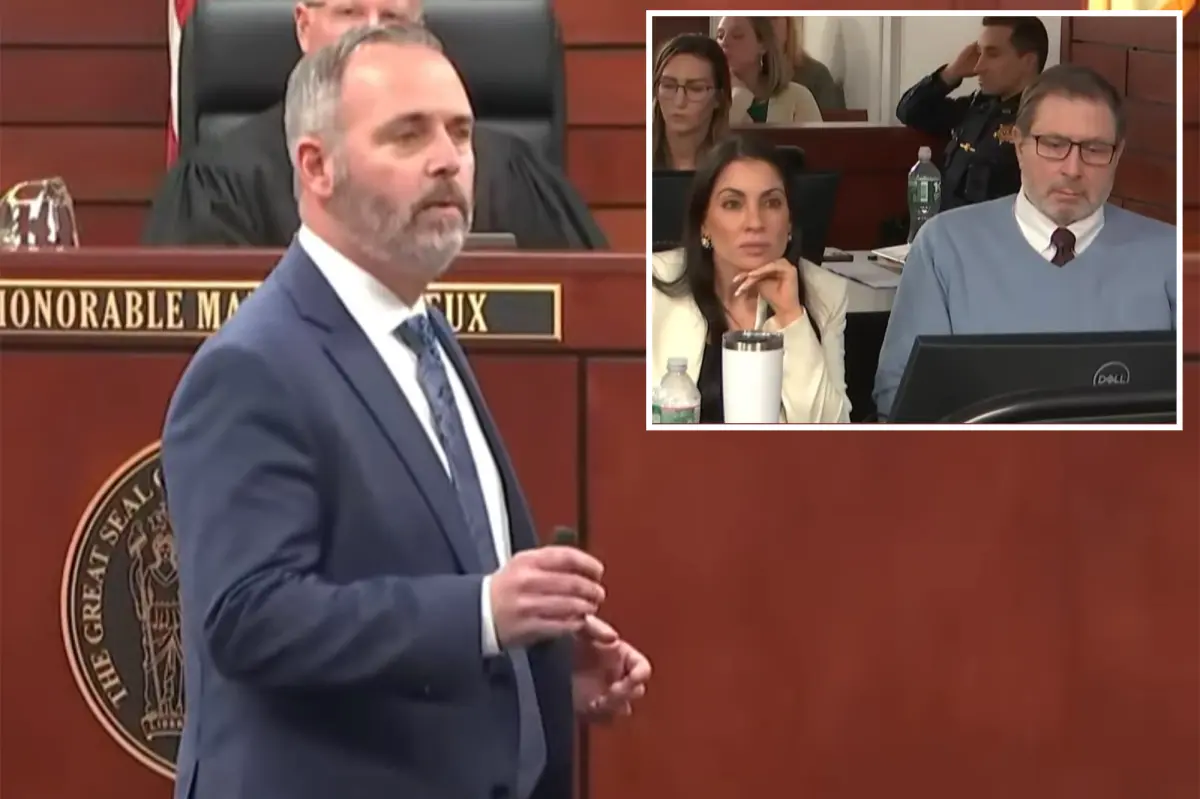
In the hushed corridors of the Monmouth County courthouse in New Jersey, the air hung heavy with the weight of a family’s darkest secrets unraveling in public view. Paul Caneiro, a once-respected 59-year-old tech executive, sat at the defense table, his gaze steady but his hands occasionally clenched—hints of the turmoil brewing beneath his composed exterior. Accused of unthinkable horrors, the slaughter of his own brother Keith and Keith’s family on a crisp November night in 2018, Paul’s trial had dragged on for a month, captivating the nation with its blend of wealth, betrayal, and gruesome detail. As closing arguments unfolded, the courtroom buzzed like a hive of whispered judgments. Defense attorney Monika Mastellone took the stage first, painting a picture not of a cold-blooded killer, but of a man ensnared in a web of family dynamics and perhaps, she suggested, the machinations of another sibling. It was a narrative of misplaced suspicions, where brother turned against brother in a bid for fortune. Paul, Mastellone argued, was no monster lurking in the shadows; he was a devoted uncle and brother, someone who had built his life around close familial ties. Yet, the prosecution saw something sinister—a man whose love for his family twisted into something lethal, driven by desperation and deceit. As the days ticked toward Thursday’s wrap-up, the jury would decide if this was the tragic unraveling of a family empire or a calculated act of savagery. In the hearts of those watching, it evoked questions about the fragility of human bonds: could someone who shared blood, laughter, and memories do something so irrevocable?
The defense’s closing was a poignant tapestry of doubt and devotion, stretching over four intensive hours. Mastellone wove a tale where Paul’s brother Corey loomed as the true shadow, a 52-year-old figure who, she claimed, stood to inherit a fortune if the family line was wiped clean. With Keith’s $3 million trust as the backdrop, a relic from 1999 meant to safeguard the family’s future, Mastellone highlighted how Corey might be the elusive “third brother” hiding in plain sight. Prosecutors countered that Corey was clueless about this potential windfall, unaware he was even a “contingent beneficiary”—the kind who steps in only if disaster strikes the primary heirs. Mastellone pressed the jury to consider the sheer implausibility: if Paul were framed, Corey would pocket $1.5 million, a sum he never knew awaited. Paul’s deeds, she insisted, didn’t align with the profile of a murderer—his life was one of quiet stability, not reckless greed. She described him as a man of integrity, someone who had always repaid what he borrowed, including the funds from his brother’s trust that were in the midst of being restored. Paul’s eyes welled as Mastellone spoke of the candlelit dinners, the shared vacations, the unbreakable bond that made such an act inconceivable. It was a humanizing touch, reminding the room that behind the allegations was a man grieving for losses beyond comprehension. The defense’s plea resonated with emotion, urging jurors to see beyond the bloodstains and consider the possibility of a setup orchestrated by someone unseen. In that moment, Paul wasn’t just a defendant; he was a brother bereft, fighting for his life against an invisible foe.
Prosecutor Chris Decker rose to dismantle this fragile web, his voice slicing through the empathy like a blade. He labeled the defense’s theory “far-fetched and desperate,” a concoction born of speculation rather than evidence. Corey, he asserted, bore no marks of guilt—no unexplained wealth, no suspicious behavior—just a man ignorant of the trust’s intricacies. Decker painted Paul as the ambitious gatekeeper, the one entrusted with Keith’s financial empire who had stolen from it 19 times in a single year, a pattern Keith had confronted dramatically just hours before his death. That fateful night, Keith had bellowed demands for answers, unaware he was sealing his fate. Decker evoked the scene vividly: Paul, shadows lengthening as evening fell, slipping to Keith’s home under the cover of darkness. There, he allegedly severed the power, silenced the generator, and waited—gun in hand—for his brother to emerge in confusion. Five shots to the head ended Keith’s life outside the family home, a pillar of stability reduced to ashes as flames licked at the structure. Inside, the horror deepened: Paul’s sister-in-law Jennifer, 45, shot and stabbed; the innocent souls of Jesse, 11, and Sophia, 8, plunged into nightmare by the blade of a supposed kin. Decker’s words dripped with disbelief at Paul’s luck—or lack thereof. By disabling his own security cameras before torching his house, Paul had “framed” himself, he argued, trapping in a paradox where innocence became an impossible alibi. The prosecutor humanized the victims through quiet details—a family’s laughter silenced, dreams extinguished—contrasting with Paul’s calculated cruelty. Yet, amidst the outrage, a glimmer of strategy emerged: by sparing his own wife and daughters from the inferno he started, Paul exposed his selective empathy, a twisted paternal instinct that protected his bloodline while erasing another.
The evidence mounted like a storm cloud, with prosecutors unveiling a timeline of Paul’s alleged descent. Financial woes compounded by lavish indulgences—a string of vacations with a “gal pal,” the sparkle of a new Audi—painted a portrait of a man teetering on the edge. Decker dismissed Paul’s pleas of repayment as self-serving; the trust was his lifeline, yet he bled it dry. The defense countered with stories of Paul’s generosity, his role as the family’s steadfast anchor, sharing Sunday brunches and impromptu road trips that knit them closer. As Mastellone recounted Paul’s tearful moments, the room stirred with conflicting sympathies—was this a grieving relative or a frightened fugitive? The prosecutor’s narrative was clinical, forensic: shell casings, blood spatter, the acrid scent of accelerant on charred beams. Humanizing the ordeal, Decker reflected on the children’s laughter that echoed no more, the community shaken by a betrayal that struck at the heart of suburbia. Ocean Township, once a place of manicured lawns and family barbecues, now whispered of the invisible wounds. Paul’s actions, if proven, weren’t mere crime; they were a perversion of brotherhood, a mockery of the vows implicit in flesh and blood. As closing arguments surged into Thursday, the trial’s denouement felt imminent, yet the human cost lingered—a family fractured, lives irrevocably altered, and a jury grappling with truths buried in shadows.
Delving deeper into reasonable doubt, Mastellone’s rebuttal was a impassioned ode to systemic flaws, accusing prosecutors of “tunnel vision” that blinded them to alternatives. Investigators, she claimed, ignored crucial leads—unexamined alibis, overlooked motives—favoring confirmation bias that honed in on Paul alone. She humanized the case by painting prosecutors as myopic detectives, dismissing the intangible yet palpable connections Paul shared with Keith’s brood. Paul’s relationship with Jennifer, Jesse, and Sophia wasn’t fabricated; it was woven into daily rituals—dinner table chats, bedtime stories, the simple joys that bond relatives. To envision Paul wielding a gun against them defied the very essence of family, Mastellone implored, her voice quivering with conviction. Decker’s response was sharp, evidence of theft overshadowing ethereal bonds—Keith’s confrontation, the stolen funds, a provocation that Paul couldn’t stomach. The defense posited Paul as a man victimized by circumstance, his home arson a desperate bid to mimic the chaos engulfing him. yet the narrative circled back to Corey’s enigmatic presence, a brother whose inheritance hinged on erasure. It was a tale of greed masquerading as grief, where familial love morphed into a deadly gambit. The courtroom, a microcosm of human intrigue, pulsed with these dueling perspectives—legal scrutiny clashing with emotional pleas. As deliberations loomed, the saga begged reflection on justice’s fragility, where one brother’s virtue might hinge on another’s presumed villainy.
As the trial nears its crescendo with Decker poised to conclude Thursday morning, the weight of accountability presses heavily upon the jurors. Paul Caneiro, pleading not guilty from his jail cell since arrest, faces a verdict that could redefine remorse and retribution. If convicted, the forfeiture of his inheritance underscores the irony—a trust meant to preserve legacy now a crucible of consequence. Outside the courtroom, families whisper of the untold stories: Keith’s unfulfilled promises, the children’s uninvented futures, Jennifer’s quiet resilience shattered. Humanizing the aftermath, one envisions neighbors recounting tales of block parties where the Caneiro siblings once blended seamlessly into community fabric. Now, Oceans Township mourns not just the lost, but the illusion of safety in familial embrace. Mastellone’s plea for doubt echoes a broader plea for nuance in judgment, where accusations don’t eclipse compassion. Decker’s unyielding case, fortified by forensics and motives, demands retribution for deeds that defy humanity. Thursday’s deliberations will unveil truths veiled in contention—a brother’s grief or guilt incarnate. In the annals of true crime, this trial transcends headlines, becoming a poignant reminder of love’s capacity for both creation and destruction, leaving all who listened forever altered by its haunting human drama. As the jury confers, the echo of shuttered cameras and silenced generators lingers, a testament to the perilous dance of trust and treason in the heart of the American dream.