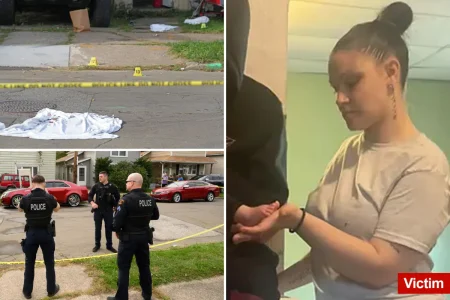


It was a November 2024 interview that should have been central to a campus rape investigation—and yet, for months, the people deciding whether to bring criminal charges never heard it in full. A young Cornell University student, identified in court papers as Jane Doe, sat down with members of the Cornell University Police and poured out a harrowing account of sexual assault involving members of the Chi Phi fraternity. According to a transcript later obtained by CBS News, she said plainly: “I can say with 100% confidence I was raped.” She went on to describe a night in October 2024 when she said she was drugged, sexually assaulted, and left in a state where she was “completely and totally incapacitated.” She also described sexual activity that followed as coercive, suggesting that even what might appear consensual on paper was not, in her mind, a genuine act of willingness. But when the Tompkins County District Attorney’s office first reviewed the case, it did not receive that fuller interview. Instead, prosecutors received a six-page sworn statement that reportedly described Doe’s drug use and participation in sexual activity as voluntary and consensual. The district attorney, Matthew Van Houten, has acknowledged that he never received the complete recording in the beginning, and after learning about the fuller account, he told CBS News that the new information “changes the landscape for me.” That single admission opened the door to a much larger question, one that now hangs over Cornell University: How could a law enforcement investigation into an alleged rape move forward without the victim’s own full voice, in her own words, being heard by the people tasked with seeking justice? It is a painful, human contradiction—a system designed to protect survivors that may have failed to listen to one at the most critical moment.
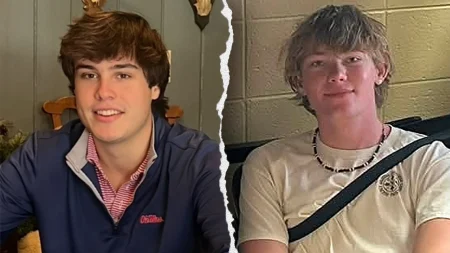
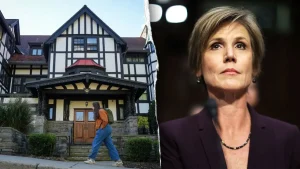
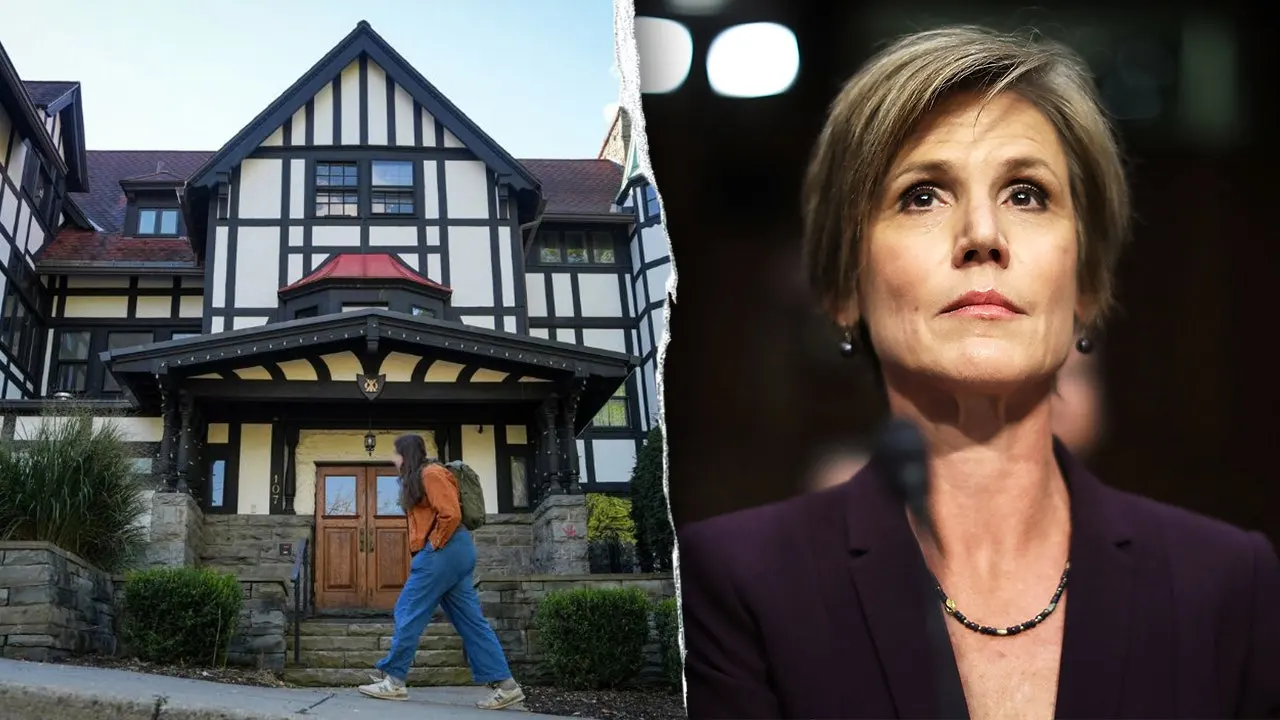
Now that case is about to be examined from top to bottom by one of the most prominent legal figures in the United States. Sally Yates, who served as Deputy Attorney General during the Obama administration, has been selected by Cornell’s Board of Trustees to conduct an independent and sweeping review of the university’s handling of the October 2024 allegations. Her appointment came after the case exploded into national headlines, fueled by Jane Doe’s federal lawsuit filed on September 16, which contained graphic allegations against seven members of the Chi Phi fraternity. According to the lawsuit, the men drugged and sexually assaulted Doe during a night involving alcohol, drugs, and group sex at the fraternity house. The allegations have triggered protests on campus, probing questions from lawmakers, and a separate criminal investigation led by New York Attorney General Letitia James. The accused men have all denied wrongdoing. Some say the sexual activity was consensual; others say they were not involved at all. No criminal charges have been filed. Yates’s review, however, will go far beyond the single fraternity incident. Her team at the law firm King & Spalding will investigate how Cornell handles sexual misconduct allegations across the entire university, including its oversight of fraternities, sororities, and other student organizations. They will assess whether Cornell complied with federal and state laws, whether the university followed its own internal procedures, and whether the school’s Title IX process—which is designed to determine if students violated campus sexual misconduct policies rather than criminal statutes—was carried out fairly and thoroughly. Yates has the power to interview university personnel, examine records and case files, and speak directly with the leadership of the institution. For the Cornell community, this appointment represents a moment of reckoning, an opportunity for the university to look inward. But for Jane Doe, it may also mean something far more personal: the chance that, this time, someone with real authority will actually read, watch, and hear everything she said from the beginning.
Cornell, for its part, has not remained silent. University officials have defended their handling of the allegations, pointing to what they describe as an extensive and painstaking investigation. According to Cornell, investigators conducted more than 50 interviews and held disciplinary hearings over the course of 12 days. The university’s president, Michael Kotlikoff, announced that two of the seven accused students were expelled, two were suspended for at least two semesters, one had already graduated before disciplinary measures could be imposed, and two were found not responsible for sexual misconduct. Both the accuser and the accused were given opportunities to review evidence, testify, and appeal the outcomes, Cornell said. On paper, that sounds like a thorough process. But the human reality is far more complicated. For everyone involved, the months since that October night have likely been a nightmare of uncertainty, fear, and fractured relationships. The victim has had to relive the trauma in interviews, in court filings, and in public statements, while the accused men have had to watch their names, reputations, and futures dragged through a controversy that none of them say they created. The university insists that its police department followed standard protocol when it provided the district attorney’s office with Doe’s sworn statement and a Snapchat screenshot in 2024. Yet the fact remains that the full police interview—the raw, unedited account in which Jane Doe described being incapacitated and raped—was not initially shared with prosecutors. The district attorney’s office has said it is unable to explain why that happened, and Cornell University Police have not offered a clear reason. That gap alone raises uncomfortable questions about how evidence is shared, how decisions about prosecution are made, and whether the legal system’s reliance on summary documents rather than actual recorded statements is causing survivors to lose their voices just when they need them most.
Legal experts who have watched these kinds of cases unfold say the missing interview could be a major turning point. Scott Iseman, a New York attorney who has represented college students accused of sexual misconduct, told Fox News Digital that Yates could review the full police recording and compare it against Doe’s sworn statement, her later testimony, and the other evidence gathered by Cornell’s investigators. In Iseman’s experience, full recorded interviews are often filled with crucial details—not just about what happened, but about how the victim described it at the time, the tone of her voice, the hesitation, the fear, the certainty. “Those full recorded interviews, I can tell you from experience, have a treasure trove of information that are really, really important to exactly what happened,” he said. He added that it would not surprise him if the recording contained information that “would have changed the trajectory of this case because that happens all the time.” The apparent differences between Doe’s full interview and her shorter sworn statement could be particularly significant. Law enforcement officers, Iseman said, are supposed to ensure that all pertinent facts are included in sworn statements. Material omissions, even unintentional ones, can skew a prosecutor’s understanding of what truly occurred. At the same time, Iseman cautioned that he has not reviewed the full interview, which has not been made public, and that he cannot say for certain whether any missing details were material. Yates, however, will have access to all of it. And beyond the police interview, she could uncover witnesses who were never questioned, text messages or social media exchanges that were overlooked, and other evidence that never surfaced during Cornell’s original investigation. “There’s a lot that potentially she could uncover,” Iseman said. But he also warned against assuming Cornell acted improperly. “It may have all been done very appropriately by Cornell. We don’t know yet,” he said. That uncertainty is perhaps the most difficult part of this entire saga: no one outside the investigative files yet knows whether errors were made, but the stakes for the real human beings involved are almost too high to measure.
Beyond the specifics of the Cornell case, this controversy has reignited a broader, uncomfortable debate about how colleges and the criminal justice system handle sexual assault accusations—and what protections exist for the accused. John R. Grasso, a Rhode Island criminal defense attorney and former police officer who has spent two decades representing students facing campus misconduct charges, argues that university disciplinary proceedings can carry life-altering consequences without offering the legal safeguards found in criminal court. During campus hearings, defense attorneys often have no right to discovery, no ability to compel the production of evidence, and no opportunity to cross-examine witnesses in the same way they would in court. Grasso described the painful dilemma many students face when university disciplinary proceedings and criminal investigations overlap: if they participate in the campus process, they may say something that harms them in a criminal case; if they remain silent, they risk being found responsible and expelled. “I have a right to remain silent, but if I don’t participate, I’m getting found responsible,” he explained. This pressure cooker environment affects everyone. Accused students can lose their education, their scholarships, their reputations, and their mental health—even if they are ultimately cleared. Grasso did not mince words when describing the human toll. “Bad things happen to the accused the minute a complaint is filed against them on campus. Really bad things,” he said. But the same urgency applies to survivors, who often feel that their credibility is attacked, their pasts are scrutinized, and their trauma is minimized by institutions more concerned with protecting their public image than with finding the truth. The Cornell case has become a powerful example of how fragile the search for justice can be, especially when a survivor’s account is reduced to a summary, hidden behind legal procedures, and filtered through systems that were never designed to deal with the raw, messy complexity of sexual violence.
Sally Yates is no stranger to explosive allegations. Her 2022 investigation into women’s professional soccer exposed widespread sexual harassment, coercion, and abuse by coaches, as well as failures by league officials to act on complaints. What began as an inquiry into individual coaches revealed much deeper, systemic problems across the sport, leading to a series of reform recommendations that U.S. Soccer later pledged to implement. Now, Yates will bring that same investigative rigor to Cornell, with the power to identify failures, recommend policy changes, and perhaps even share newly discovered evidence with the New York Attorney General’s office if it appears relevant to the ongoing criminal investigation. She cannot bring charges herself, but her findings could influence prosecutors, reshape university policy, and restore—or further undermine—public confidence in Cornell’s ability to handle sexual misconduct. For Jane Doe, the road ahead remains uncertain. The seven men she accused maintain their innocence, and some argue that the evidence tells a different story. The district attorney has acknowledged that the fuller police interview changes the landscape, but he has not committed to filing charges. The New York Attorney General’s office continues its separate review. In the end, as Scott Iseman suggests, everyone should keep an open mind about what actually happened that night. “Just because the allegations are salacious or dramatic does not mean that’s what happened,” he said. But just because a woman’s story is challenged, complicated, or inconvenient does not mean it is false either. The truth, whatever it is, will not be found in six-page summaries or one-sided narratives. It will be found in the painstaking work of people willing to hear every voice, examine every piece of evidence, and take seriously the profound consequences of this case for all involved. Cornell may be on trial in the court of public opinion, but behind the headlines are real lives—a young woman asking to be believed, and young men asking not to be destroyed. The only way forward is through accountability, fairness, and a renewed commitment to listening, something that until now has been in tragically short supply.