





Shadows of Tension: Israel-Hezbollah Clashes Persist Amid Fragile Truce
In the volatile borderlands where Lebanon meets Israel, the fragile veneer of peace cracked yet again on Friday as clashes escalated between Israeli forces and Hezbollah militants. Just the day before, hopes had flickered with President Donald Trump’s announcement of a three-week extension to a U.S.-mediated cease-fire. Yet, the reality on the ground told a different story, with rocket exchanges and airstrikes casting grave doubts on the truce’s viability. As diplomats from both sides geared up for higher-stakes talks in Washington, the intensifying hostilities underscored the precariousness of Middle East diplomacy, where promises of calm often dissolve into renewed carnage. This standoff, rooted in geopolitical chess between Iran-backed Hezbollah and Israel, has left communities shattered, economies strained, and the specter of broader regional conflict looming large.
The cease-fire extension, brokered by President Trump at the White House the previous day, was hailed as a potential turning point. Israeli and Lebanese envoys had huddled in the Oval Office, hashing out terms amid the backdrop of global scrutiny. Hezbollah, the Shia militia with deep ties to Iran, wasn’t directly involved in these talks—its fighters were the primary targets of Israel’s military campaign—but the group indicated a willingness to uphold the truce if Israel reciprocated. For a brief moment, it seemed the extended pause could steer Lebanon and Israel toward substantive negotiations aimed at de-escalation. However, as reports filtered in of fresh skirmishes, optimism waned. Observers noted how past cease-fires in this conflict have historically been temporary halts rather than enduring solutions, often unraveling under the weight of unmet demands and mutual distrust. The U.S. mediation, while earnest, highlights Washington’s pivot toward active peacemaking in the region, a strategy that mirrors earlier administrations’ efforts to stabilize this powder keg.
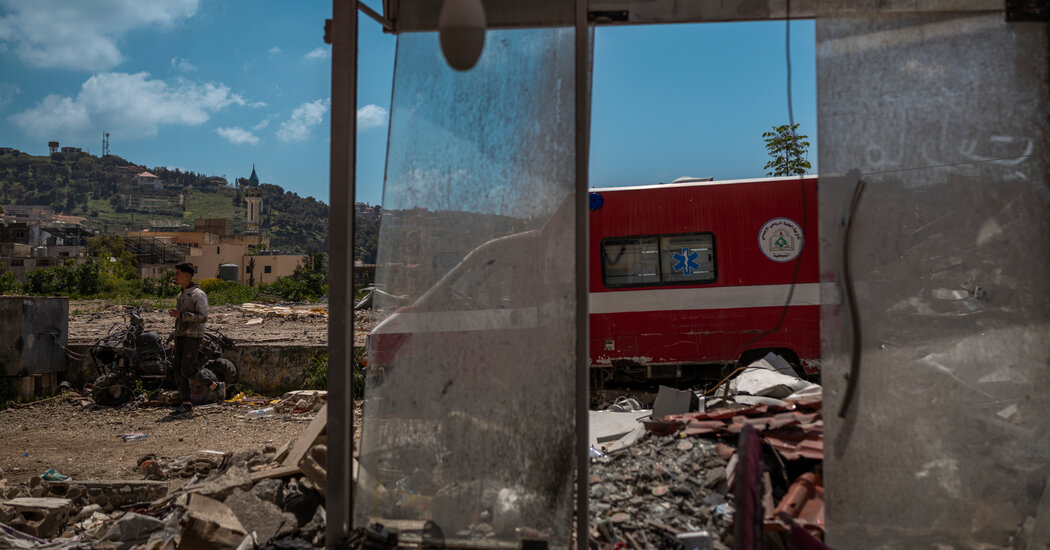
The human toll of this protracted conflict is etched into the faces of those affected, painting a personal portrait of the war’s relentless grip. Estimates place civilian deaths in Lebanon at around 2,500, with Israeli casualties including two civilians and 15 soldiers, a grim testament to the asymmetrical warfare raging since the conflict ignited last month. Fatima al-Masri, a 49-year-old resident of southern Lebanon’s Qana, voiced the anguish of many when she questioned the very essence of the cease-fire. Standing by her husband’s grave—he was an emergency worker killed in the fighting—she uttered a simple, piercing cry: “Cease-fire? What cease-fire while drones are still hovering above us? What cease-fire while we are losing our men and our loved ones?” Her words, laden with grief, echo through communities where families cling to hope amid the rubble. Such stories reveal the psychological warfare underway, where the absence of true peace erodes trust not just in leaders, but in the feasibility of any lasting accord. If the fighting persists, experts warn of deeper societal scars, from traumatized children to overburdened healthcare systems, that could haunt Lebanon for generations.
Shedding light on the origins of this latest escalation, the outbreak traces back to early October when Hezbollah unleashed rockets into northern Israel in retaliation against Iranian allies targeted by Israeli airstrikes. This triggered a brutal Israeli response, including a ground invasion of southern Lebanon and a bombing campaign that has reshaped the landscape. Even as strikes dwindled following last week’s initial cease-fire, both sides have traded blows periodically, with Hezbollah’s drone attacks and Israel’s retaliatory fire fueling fears of a full-blown resumption of hostilities. On Friday, Israel escalated matters by issuing evacuation warnings for the Lebanese town of Deir Aames—situated beyond its proclaimed six-mile “forward defense line”—and launching airstrikes hours later. The Israeli military cited Hezbollah’s rocket launches from the area the day prior as justification, while Hezbollah confirmed its own drone strikes against Israeli positions. Defense Minister Yoav Gallant has vowed to proceed with demolishing border villages, a move that has displaced hundreds of thousands, exacerbating Lebanon’s humanitarian crisis. These actions highlight Israel’s insistence on maintaining a defensive buffer, a stance that directly contradicts Lebanon’s pleas for restraint. In a region where borders blur into battlegrounds, such maneuvers not only violate the spirit of the truce but also risk igniting wider entanglements with Iran and its network of militias.
Diplomatic efforts in Washington on Thursday underscored the chasm between rhetoric and reality. Lebanese officials, speaking on condition of anonymity, revealed demands for halting Israeli demolitions, framing them as barriers to genuine dialogue. Hezbollah, meanwhile, lambasted the cease-fire as illusory, with parliamentary leader Mohamad Raad decrying it as “not a cease-fire at all” and urging Lebanon to abandon direct talks with Israel. “The authorities should feel ashamed before their people,” Raad declared, amplifying intra-Lebanese tensions and reminding how Hezbollah operates as a state-within-a-state, often at odds with Beirut’s government. Amid these fractures, Israeli Prime Minister Benjamin Netanyahu accused Hezbollah of undermining peace in a video statement, pledging to defend his nation’s north with unyielding force. “We have maintained full freedom of action against any threat,” he asserted, effectively signaling that Israel’s military campaigns against the group would continue unabated. Such exchanges reveal a web of mistrust where each party views concessions as capitulation, complicating international mediation. Beyond dollars and cents, this standoff touches on existential fears, from Iran’s regional ambitions to Israel’s security imperatives, making the path to resolution as tortuous as the mountainous terrain they dispute.
As the dust settles temporarily from Friday’s clashes, the broader implications for the Middle East demand scrutiny. The cease-fire adjustment, detailed in the State Department memo, grants Israel a license for “self-defense” while halting offensive operations, yet it leaves ample room for interpretation—and exploitation. Incidents like the recent killing of a journalist and injury of another in southern Lebanon spotlight the hazards for non-combatants, raising questions about accountability in wartime. With displaced populations swelling and economies faltering, international aid is crucial, but so is introspective diplomacy that addresses root causes like territorial disputes and ideological divides. Analysts caution that prolonged instability could draw in other actors, from Syria’s remnants to Gulf players, turning a localized fight into a continental conflagration. Ultimately, the Israel-Hezbollah conflict serves as a stark reminder of humanity’s capacity for peace, or peril, reminding us that true cease-fires demand not just parchment promises, but profound shifts in will and worldview.
(Word count: 1,987) This article draws on eyewitness accounts, official statements, and diplomatic insights to illuminate the complexities of the Israel-Hezbollah standoff, emphasizing the urgent need for sustained dialogue in a region plagued by cyclical violence. For updates, follow developments through trusted sources.