


The Fourth of July weekend is traditionally a time for families, fireworks, and community celebrations, but in Raleigh, North Carolina, this year’s holiday devolved into a scene of fear and frustration. What was meant to be a festive long weekend was shattered when massive crowds of teens converged on the city in coordinated events known as “teen takeovers.” Fueled by social media summons, an estimated 5,000 teenagers swarmed the Brier Creek area, while another 5,000 gathered in the Glenwood South entertainment district. Local police later revealed that roughly half of these juveniles did not even live in Raleigh, having traveled from surrounding areas to join the massive gatherings. The sheer volume of unsupervised youth quickly overwhelmed public spaces, setting the stage for a series of chaotic confrontations, physical altercations, and gunfire that left residents and local business owners deeply shaken.
The unrest began in earnest just after 10:00 p.m. on Saturday, when police were called to a popular shopping and dining area near a movie theater in Brier Creek. A physical fight among teenagers quickly escalated, culminating in gunfire that sent terrified bystanders running for cover. One adult was shot, another was injured by flying glass shattered by the bullets, and police detained a juvenile found carrying a firearm. Unfortunately, this was only the beginning of a long and violent night. Just a few hours later, at 1:35 a.m. on Sunday, officers responded to another outbreak of violence in the city, where six people were shot. As dawn approached, yet another fight erupted at a local gas station, leaving two more people hospitalized with gunshot wounds. While all the victims are thankfully expected to survive, the rapid succession of violent incidents has put the entire community on high alert.
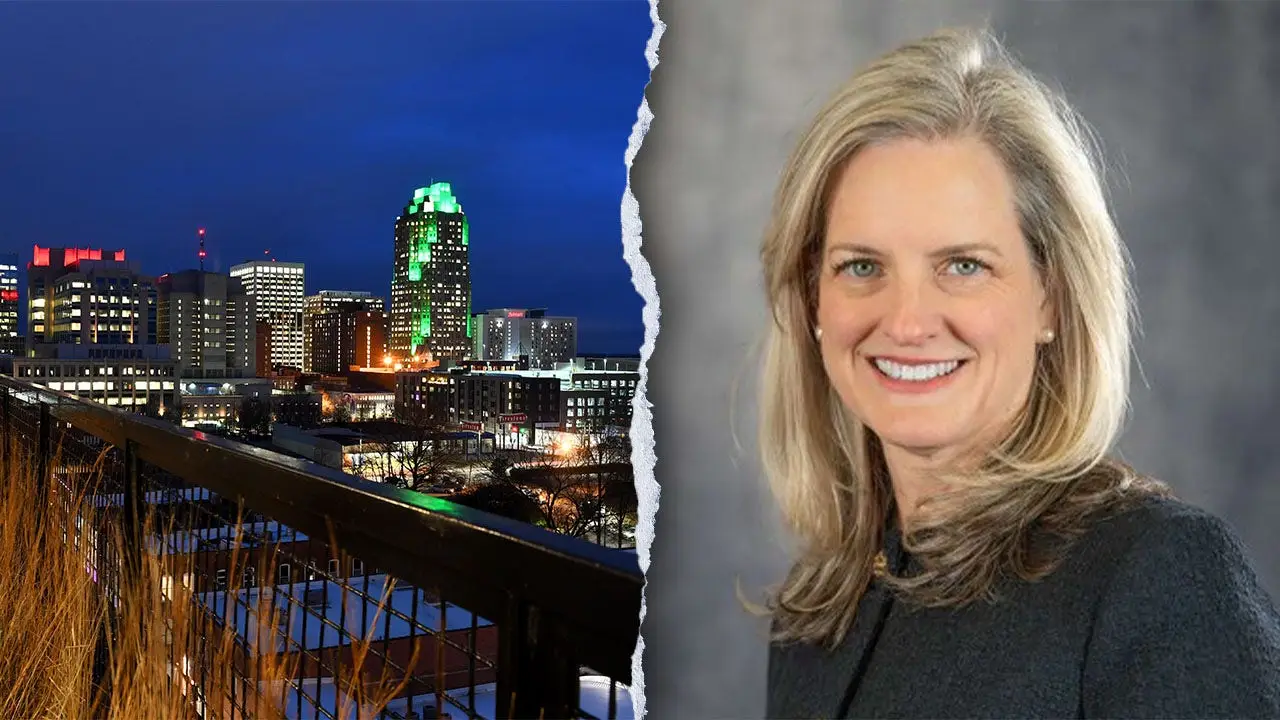
In the wake of this traumatizing weekend, Raleigh Mayor Janet Cowell is searching for immediate solutions to protect her city’s residents and restore a sense of safety. Among the most prominent strategies currently on the table is the implementation of a youth curfew, which would restrict minors aged 17 and under from being out unsupervised past a certain hour. This approach is not without precedent, as several other North Carolina municipalities have previously turned to curfews to curb late-night juvenile disturbances. Recognizing that law enforcement alone cannot solve this crisis, Mayor Cowell emphasized the need for a collaborative approach. She called on parents, educators, community leaders, and the teenagers themselves to come together to address the root causes of this behavior, noting that Raleigh is unfortunately not immune to the troubling national trend of youth violence.
For local business owners, the holiday weekend’s events were a stark reminder of how quickly a lively commercial district can turn dangerous. In the Glenwood South area, popular establishments had to make difficult, split-second decisions to ensure the safety of their staff and customers. Milk Bar, a well-known local venue, took to social media to share their frustration and explain why they chose to close their doors early despite having no safety incidents inside their own establishment. In an emotional Instagram post, the bar’s management lamented that the reckless behavior of a select group of individuals had ruined what should have been a vibrant night for the city’s nightlife scene. Their message was a rallying cry for the community, declaring that gun violence has no place in Raleigh and insisting that the city’s residents and leaders must do better to protect their shared spaces.
As the Raleigh Police Department continues its investigations into the shootings and works to identify those responsible, the local government is preparing for a series of difficult discussions. The City Council is expected to meet to debate the merits of a curfew alongside other potential preventative measures. Proponents of youth curfews argue that they provide police with a necessary tool to disperse large, potentially volatile crowds before they escalate into violence, while also encouraging parents to take greater responsibility for their children’s whereabouts. However, critics often worry that such policies can strain relations between youth and law enforcement or simply shift the problem to different areas. The challenge for Raleigh’s leadership will be finding a balanced path forward that keeps the public safe without unfairly penalizing the majority of teenagers who behave responsibly.
Ultimately, the events of this July Fourth weekend have served as a wake-up call for Raleigh, highlighting the powerful influence of social media in mobilizing large groups of young people and the devastating consequences when those gatherings turn violent. Mayor Cowell’s acknowledgment of the “teen takeover” phenomenon as a disturbing national trend underscores the complexity of the issue, which stretches far beyond the borders of Wake County. Moving forward, the city’s path to recovery will require more than just police patrols and legal restrictions; it will demand active engagement from families and community organizations to provide young people with safer, more constructive outlets. As Raleigh process the trauma of a violent holiday, its residents remain hopeful that unity, open dialogue, and decisive leadership will prevent such chaotic scenes from playing out on their streets again.