





In the wake of a turbulent Independence Day weekend, Raleigh, North Carolina, has found itself grappling with a disturbing modern phenomenon: the social media-driven “teen takeover.” What was meant to be a festive holiday quickly dissolved into chaos as massive, highly coordinated crowds of young people descended upon the city’s popular spots. With an estimated 10,000 teenagers swelling the streets of Brier Creek and the Glenwood South entertainment district—half of whom had traveled from outside the city limits—local infrastructure and law enforcement were pushed to their limits. The sudden influx culminated in a series of violent altercations, chaotic stampedes, and multiple shootings, leaving Raleigh residents and business owners shaken, and forcing local leaders to confront a growing crisis of youth violence.
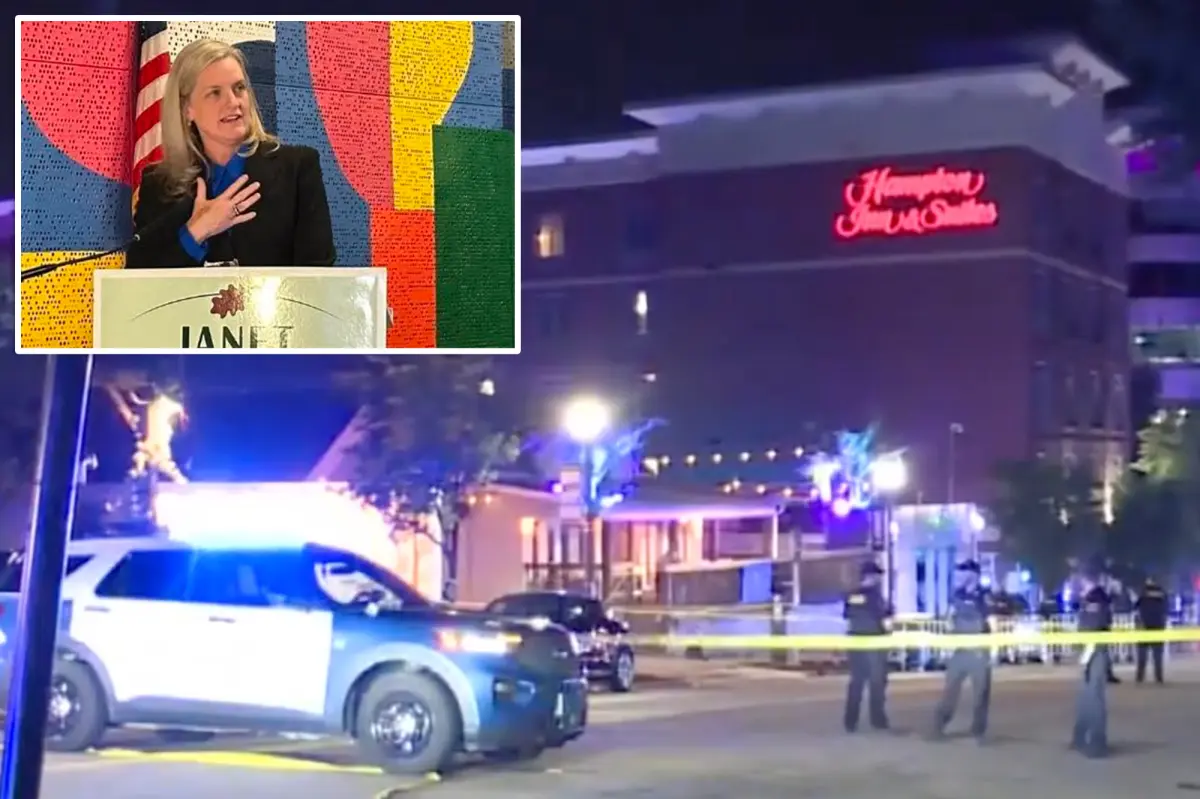
The trouble began on Saturday night just after 10:00 p.m. near a movie theater in Brier Creek, where police officers were called to disperse a massive brawl. The tension escalated rapidly when gunshots rang out, injuring one spectator and wounding another with flying glass. Nearby, a minor was detained with a firearm, though police do not believe they pulled the trigger. Hours later, the violence shifted to Glenwood South, where a barrage of gunfire at 1:35 a.m. left six people wounded, followed by another shooting at a gas station around 4:30 a.m. that hospitalized two more. Remarkably, none of the nine shooting victims suffered life-threatening injuries, but the sheer volatility of the night sent shockwaves through the community, highlighting how quickly viral online trends can translate into real-world danger.
The localized trauma of the weekend has sparked profound disappointment and anxiety among Raleigh’s local business owners, who rely on a safe environment to thrive. Venues like the Milk Bar in Glenwood South were forced to make the painful decision to shutter their doors early to shield their staff and patrons from the chaos brewing just outside. In a passionate social media statement, the bar’s management lamented how the reckless actions of a small group of agitators compromised the peace of the entire nightlife district, declaring, “Gun violence and reckless behavior have no place in our nightlife scene. WE CAN DO BETTER, RALEIGH!” Their frustration reflects a broader collective exhaustion among community stakeholders who refuse to let their city’s vibrant culture be hijacked by lawlessness.
In response to the community’s outrage, newly elected Raleigh Mayor Janet Cowell has taken a firm stand, thanking the Raleigh Police Department for their swift actions to restore order under incredibly difficult circumstances. Acknowledging that Raleigh is not immune to the national surge in disruptive youth gatherings, Cowell addressed the public to voice her deep concern over the “disturbing national trend” that has officially reached their doorstep. For Cowell and her administration, the events of July 4th and 5th served as a harsh wake-up call, signaling that maintaining the status quo is no longer an option if the city hopes to preserve its reputation as a safe, family-friendly state capital.
To prevent future crises, Mayor Cowell is actively considering a youth curfew for minors aged 17 and under, joining several other North Carolina municipalities that have turned to restricted hours as a legislative shield. Crucially, Cowell emphasizes that a curfew cannot be a standalone solution, but rather a starting point for a much larger, empathetic conversation. She has publicly called for a united front, urging city officials, school administrators, parents, and the teenagers themselves to join forces to understand the complex root causes of this behavior, rather than simply punishing the youth after the damage is done.
As Raleigh City Council leaders prepare to meet and debate the implementation of the curfew and other safety strategies, the city stands at a critical crossroads. The immediate goal is clear: prevent another night of violence and restore a sense of safety to Raleigh’s streets. However, the deeper challenge lies in bridging the generational divide and providing the city’s youth with constructive outlets and guidance, ensuring that the vibrant energy of the next generation is channeled into building up the community, rather than tearing it down.