


On a warm, sun-drenched afternoon during the Labor Day weekend of September 2022, Biscayne Bay was alive with the vibrant energy of South Florida’s boating culture. For George Pino, a prominent 55-year-old Miami real estate developer, the day was meant to be a joyous celebration of his daughter’s birthday, spent alongside her closest teenage friends on the family’s 29-foot boat. The air was filled with laughter, the bright blue waters of the bay stretched endlessly, and the teenagers on board had their entire lives ahead of them. Among the local high school students enjoying the ride were 17-year-old Lucy Fernandez and Katy Puig, both full of promise and local life. No one on board could have anticipated that within moments, this picturesque celebration of youth and family would dissolve into a scene of unspeakable terror, leaving one teenager dead, another permanently disabled, and a community forever changed by a single, devastating fraction of a second.
The disaster unfolded near Boca Chita Key as the vessel made its journey back toward the dock. According to investigators and eyewitness accounts, the joyous atmosphere was instantly shattered when the boat collided with a massive, stationary channel marker. Pino later explained to authorities that a larger boat had passed by, generating a sudden, towering wake that unsettled his vessel; when he turned his head to check on the safety of the teenagers riding in the back, the boat veered and crashed head-on into the metal structure. The violence of the impact tore a massive hole into the side of the hull and sent all fourteen passengers flying into the open water. The scene transformed into a chaotic and frantic maritime rescue mission as injured teenagers struggled to stay afloat amidst floating debris, bloodied water, and the deafening silence of shock. Eleven of the passengers sustained injuries, and six were rushed to the hospital in critical condition, marking the beginning of a long, painful nightmare for everyone who had stepped onto the boat that morning.
Behind the clinical details of the accident reports lay an agonizing human toll that no court verdict could ever fully address. Seventeen-year-old Lucy Fernandez, known for her bright spirit and warmth, did not survive the severe injuries she sustained in the water, leaving her family to navigate a lifetime of unquantifiable grief and a home permanently quieted by her absence. Meanwhile, Katy Puig, then a vibrant teenager and now 21 years old, survived the impact but emerged from the tragedy with a traumatic brain injury so severe that it altered the course of her life forever. Once looking forward to college, career, and the independent adventures of adulthood, Katy now requires intensive, lifelong daily care, leaving her parents and loved ones to adjust to a new, heart-wrenching reality. For both families, the passage of two years did not dim the pain; instead, it solidified the devastating understanding that while time marched forward for the rest of the world, their lives had been permanently anchored to the shallow water near Boca Chita Key.
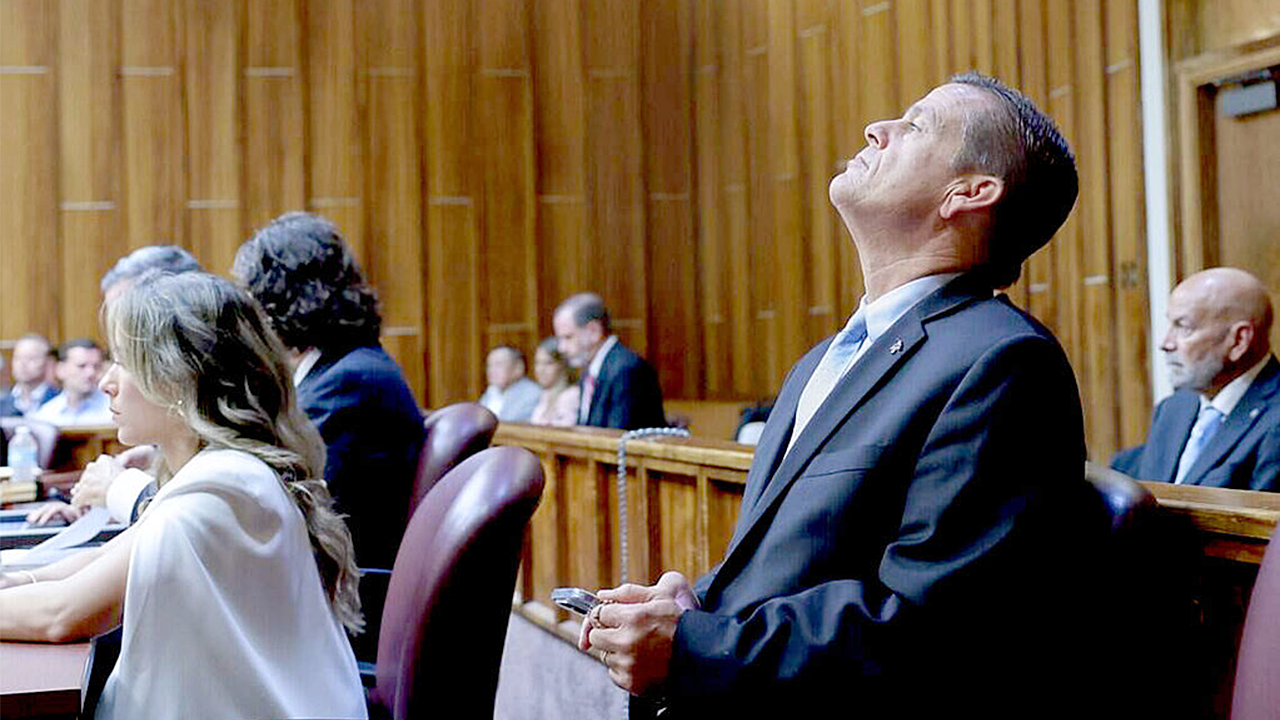
The seeking of justice for this tragedy culminated in an emotionally agonizing eight-day criminal trial in a South Florida courtroom. Miami-Dade State Attorney Katherine Fernandez-Rundle and her prosecution team argued passionately that Pino’s actions behind the wheel were criminally reckless and constituted second-degree manslaughter and vessel homicide. They maintained that operating a vessel crowded with young lives demanded a standard of vigilance that Pino failed to uphold, transforming a preventable collision into a criminal act. In contrast, Pino’s defense team, led by attorney Howard Srebnick, argued that the event was a blameless, horrific accident rather than a crime. Srebnick pointed to consistent eyewitness accounts confirming that Pino was completely sober, acted without impairment, and struck the channel marker only because he was momentarily distracted by his instinctual desire to protect his young passengers from the oncoming wake. The courtroom became a crucible of raw emotion as grieving families sat through clinical reconstructions, photographic evidence of the wreckage, and hours of technical testimony, all while trying to reconcile their personal tragedies with the cold, precise mechanisms of criminal law.
On Monday, the tense trial reached its conclusion when the jury returned a verdict of not guilty, acquitting George Pino of all criminal charges. For Pino and his family, the decision brought an overwhelming sense of relief and an end to the looming threat of years behind bars. Srebnick issued a statement expressing gratitude to the jurors, emphasizing that the trial confirmed his client was not operating the boat recklessly and had tried his best to protect the passengers once the danger arose. However, the verdict was met with profound disappointment by the prosecution and the victims’ families, who had hoped for a legal acknowledgment of criminality. State Attorney Fernandez-Rundle privately and publicly expressed her sorrow over the decision, noting that while she accepted the jury’s role in the justice system, she remained convinced that Pino’s actions met the threshold of a crime under Florida law. She added a sobering truth that resonated deeply with everyone touched by the trial: in a case of this magnitude, there are truly no winners or losers, and legal closure does not bring emotional peace.
With the courtroom cleared and the news cameras turned away, the families are left to face the enduring, quiet reality of their grief. George Pino must live the rest of his life carrying the heavy, inescapable memory of the crash that occurred while he was at the helm, a psychological weight that no legal acquittal can ever wash away. For the Fernandez and Puig families, their daily lives remain a testament to endurance, characterized by the empty chair at Lucy’s family table and the constant, loving care required to support Katy in her daily challenges. This tragic chapter in South Florida’s boating history serves as a stark, humanizing reminder of the fragility of life and the immense responsibility inherent in operating a watercraft. Ultimately, this story is not merely one of legal statutes, defense strategies, or jury verdicts; it is a deeply human narrative about love, devastating loss, the permanent collateral damage of a single afternoon, and the quiet strength of families forced to rebuild their shattered lives from the wreckage.