




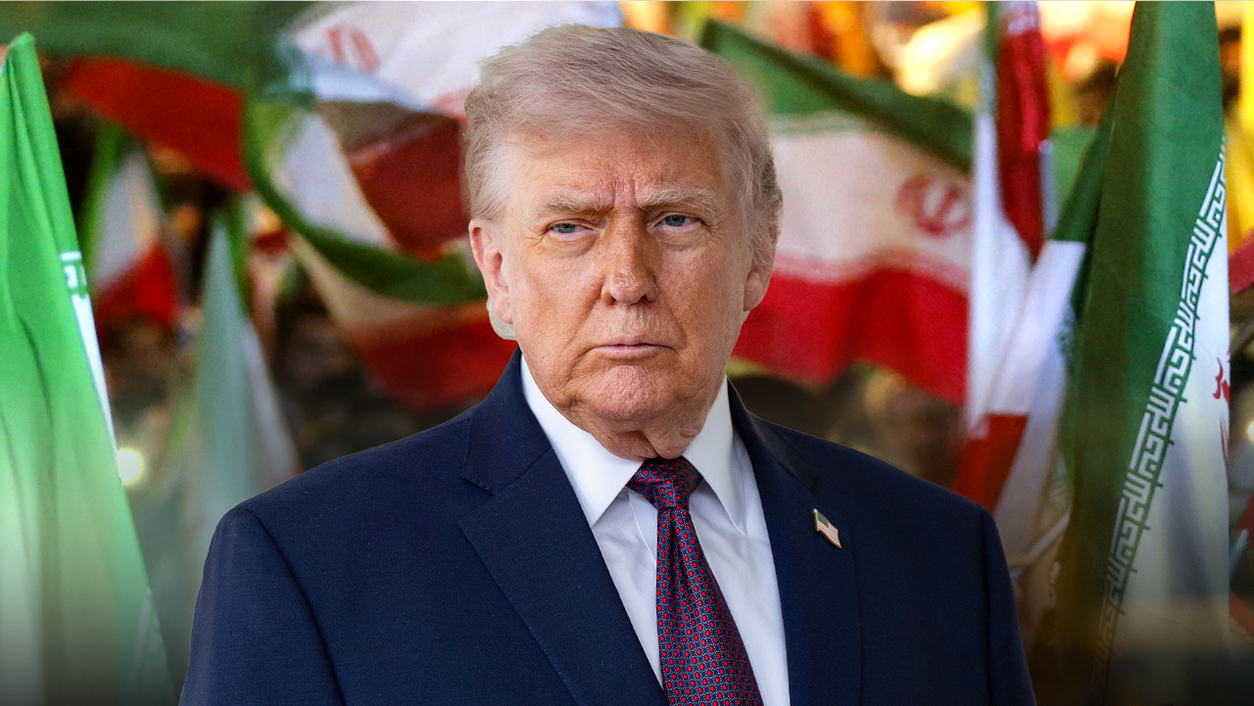
Good morning and welcome to your daily briefing, where we take a step back from the frantic rush of the 24-hour news cycle to explore the human stories, political shifts, and global events shaping our world today. We begin on the international stage, where a truly monumental shift in global diplomacy has captured the world’s attention: President Donald Trump has officially announced a historic peace agreement with Iran. For decades, the relationship between Washington and Tehran has been defined by deep-seated hostility, proxy wars, and economic sanctions that have kept the entire Middle East in a state of perpetual tension. According to Vice President JD Vance, if Iran fully complies with the meticulous terms of this newly brokered deal, it has the genuine potential to completely transform the region, opening up unprecedented pathways for economic stabilization and peaceful co-existence. This massive diplomatic breakthrough comes at a critical moment, providing President Trump with incredible momentum as he boards Air Force One to head to the G7 summit. However, the path ahead is far from simple; even as the president enjoys this significant foreign policy victory, a series of intense, unresolved trade fights are waiting for him on the European stage. The juxtaposition of a groundbreaking peace accord with fierce economic skirmishes highlights the complex, dual nature of modern statecraft, where securing harmony on one front rarely shields a leader from the aggressive financial competitions brewing on another.
As we shift our eyes back to domestic soil, the political atmosphere in Washington represents a fascinating, highly energetic blend of cultural showmanship, personal milestones, and the sobering realities of human vulnerability. President Trump recently marked his 80th birthday not with a quiet, traditional dinner, but by hosting a highly patriotic, high-octane UFC Freedom 250 spectacle right on the iconic South Lawn of the White House. This unprecedented event merged the raw, physical grit of mixed martial arts with the historical majesty of the executive residence, capturing the unique, populist cultural aesthetic that has come to define his political movement. Yet, even amidst such high-spirited celebrations, the inevitable march of time and human frailty cast a quiet shadow over the halls of power, as Senate Minority Leader Mitch McConnell was recently admitted to the hospital for an undisclosed medical issue, reminding us of the personal vulnerability of our nation’s long-serving leaders. At the same exact time, the gears of political vindication were turning rapidly for former Representative Tulsi Gabbard, who has found herself vindicated by the release of newly declassified government documents. These records officially expose the existence of a vast, global network of biological laboratories that Gabbard had previously flagged to the public, validating her warnings after she faced months of heavy skepticism, media dismissal, and intense political pushback for raising the alarm.
This friction between public skepticism and administrative policy is also driving major waves through our modern media landscape, where traditional boundaries are rapidly collapsing as public figures step out of their comfort zones to engage their fiercest critics. In a highly anticipated television event, Vice President JD Vance is preparing to appear face-to-face as a guest on The View, entering a daytime television arena whose hosts have spent years passionately condemning his character, policies, and conservative platform. This strategic move highlights a growing trend of political gladiators willing to step directly into hostile territory to humanize their message and speak directly to audiences they would otherwise never reach. Further reflecting this shifting cultural tide, sports media giant Stephen A. Smith made waves by publicly declaring that Trump represents a distinct “upgrade” when compared to President Biden, despite Smith’s ongoing, highly publicized feud with the ownership of the New York Knicks. This unexpected commentary aligns with growing, quiet anxieties within the Democratic Party itself, which were recently brought to light by seasoned strategist David Axelrod; he issued a stern, pragmatic warning that Joe Biden’s current promotional “comeback tour” could severely backfire, highlighting his vulnerabilities rather than projecting presidential strength. Meanwhile, the legal and ethical battle over the integrity of our democratic processes continues to rage, as Homeland Security Chief Alejandro Mayorkas vigorously defends the implementation of citizenship checks at voting booths against critics who argue these security measures are simply restrictive tools designed to suppress voter turnout.
Beyond the headlines of political strategy and economic policies, we are also reminded of the profound, often tragic fragility of the human experience through stories of sudden loss and the relentless pursuit of justice. A devastating skydiving flight disaster recently claimed the lives of twelve people, turning what was meant to be an exhilarating afternoon of human flight and freedom into an unspeakable nightmare that has left families and communities searching for answers. This heavy cloud of grief extends far beyond our borders to South America, where an American singer is currently presumed dead following a horrific helicopter crash in the vibrant skies of Rio de Janeiro, Brazil, cutting a promising life and artistic legacy tragically short. Simultaneously, the dark realities of crime and accountability are playing out on the high seas, where federal prosecutors are aggressively pushing for significant prison time in a chilling Carnival cruise murder case, fueled by newly emerged secret evidence that could completely upend the defense’s arguments and bring long-awaited justice to the victim’s family. Yet, even in the face of tragedy, the human spirit’s refusal to abandon the lost was beautifully illustrated this week as forensic investigators cracked a twenty-six-year-old cold case. By successfully identifying human remains found wrapped inside a sleeping bag in Olympic National Park, dedicated investigators have finally given a name back to the forgotten, proving that the passage of decades cannot erase our collective commitment to truth, dignity, and closure for the grieving.
As everyday citizens navigate these heavy realities, they are also grappling with the immediate financial pressures of daily life and the deeper philosophical debates that define our cultural identity. A sobering new economic report has revealed that, one year after their implementation, Trump’s protective manufacturing tariffs have largely failed to deliver the sweeping economic boom and factory revitalization once promised to struggling working-class communities, demonstrating the difficult gap that often exists between political ideology and practical economic outcomes. This sense of financial frustration is even trickling into our long-awaited leisure time, with cruise ship passengers expressing growing anger over skyrocketing, mandatory gratuity charges that many feel have spiraled completely out of control, turning family vacations into stressful financial burdens. In a lighter, sweet reprieve from economic anxiety, a nationwide study recently crowned the Northeast as America’s most ice cream-obsessed region, proving that even in times of cultural division, the simple joy of a cold treat remains a universal comfort. Still, the deeper intellectual battle for the soul of the country continues to play out in our judicial and social spheres. Scholar Scott Douglas Gerber recently penned a powerful defense of Justice Clarence Thomas, arguing that America cannot afford to lose the core founding truths he works to protect, while civil rights leader Dr. Alveda King offered a poignant reminder of her uncle’s timeless legacy, asserting that the Reverend Dr. Martin Luther King Jr. would have actively opposed those who seek to profit from modern racial division and cultural hatred.
As we look toward the horizon of tomorrow, our collective attention naturally shifts toward the ultimate frontiers of physical health, scientific innovation, and cosmic curiosity. Emerging research in the field of longevity has identified a singular, critical muscle protein that scientists believe may hold the biological key to keeping our bodies strong, agile, and resilient as we age, offering a hopeful glimpse into a future where growing older does not mean losing our physical independence. This deep-seated human desire to push boundaries and explore the unknown is also driving a massive spike in public interest regarding upcoming UFO disclosures, prompting serious panel discussions about whether our global society is truly prepared—both spiritually and politically—for definitive proof that we are not alone in the universe. Today’s world is undeniably complex, filled with high-stakes international peace negotiations, deep cultural debates, tragic losses, and the simple, enduring comforts of daily life. As you step out of your door to face the responsibilities of your day, we hope this comprehensive briefing helps you navigate our rapidly changing environment with clarity, empathy, and a sense of shared humanity. Thank you for making us your trusted first choice in the morning, stay safe, and we look forward to meeting you right back here in your inbox tomorrow.