



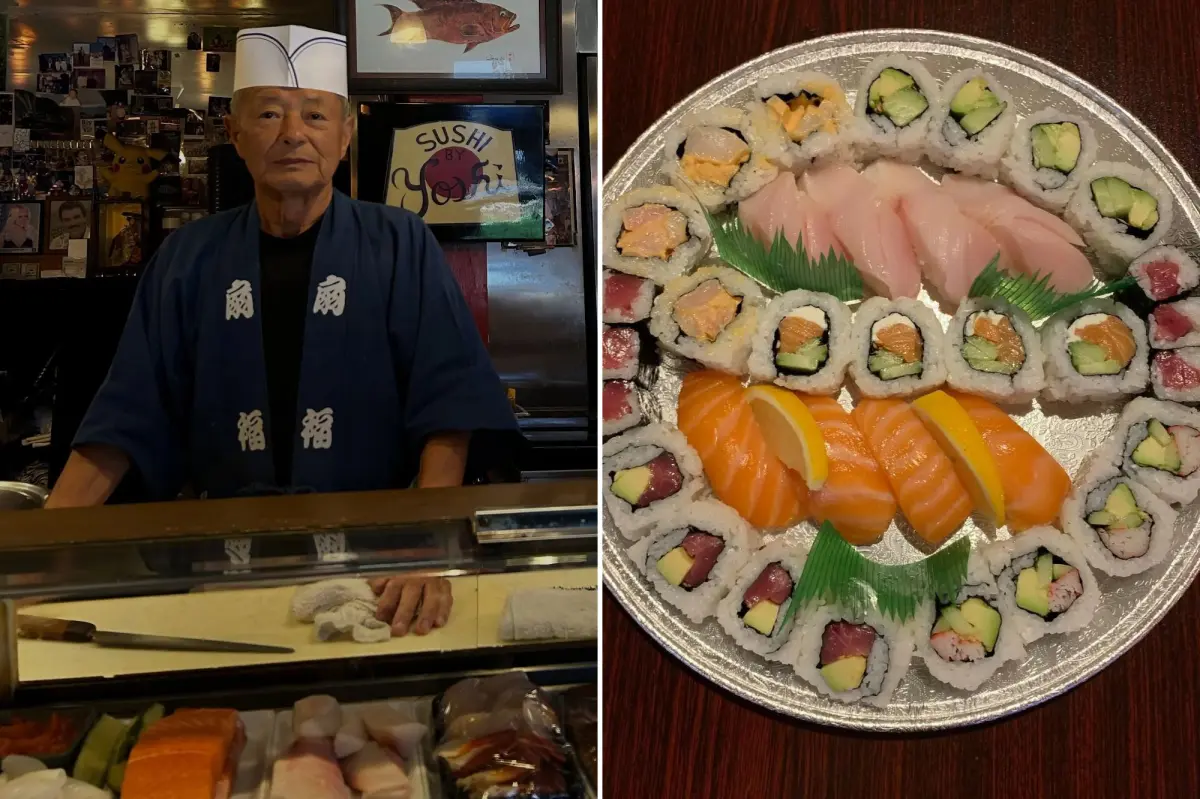
For nearly half a century, a tiny, unassuming storefront on West 6th Street in San Pedro has hummed with the quiet symphony of a well-lived life: the gentle hiss of rice steaming, the rhythmic slice of a knife against fresh fish, the murmur of conversation punctuated by the clink of sake cups. That symphony is now reaching its final, bittersweet movement. The owners of Senfuku Japanese Restaurant, Helen and Yoshi Kikuchi, have announced that they are closing the beloved establishment after an incredible 45-year run. The announcement, delivered with a grace and grief that filled a simple Instagram post, has sent a ripple of nostalgia through the tight-knit harbor community. For the Kikuchis, this isn’t just a business transaction; it is the closing of a chapter that defined their lives, an act of letting go that feels less like a retirement and more like a farewell to a child they raised from infancy. Their “second home,” as they affectionately called it, will open its doors for the final time on a poignant Wednesday, September 16th, marking the end of an era for anyone who ever found comfort in the gentle embrace of their traditional Japanese hospitality.
The story of Senfuku is deeply interwoven with the culinary history of Los Angeles and the slow, determined evolution of American palates. When the restaurant first opened its doors in 1974, sushi was still a mysterious, exotic concept for many diners outside of the dense Japanese enclaves of Little Tokyo or the Westside. The Kikuchis were pioneers, introducing the working-class community of San Pedro to the delicate artistry of raw fish, perfectly seasoned rice, and the warm, savory depth of teriyaki. Eight years later, in 1982, they moved to their current location at 380 W 6th Street, a space that would become a landmark. For over four decades, that address has remained a constant; a fixed point of culinary stability in a city that is constantly changing. The menu remained a classic, unchanging testament to their craft—freshly cut sashimi, intricately rolled sushi, and hearty combination plates featuring chicken and beef teriyaki. There were no gimmicks, no fusion experiments, no flashy trends. Instead, Senfuku offered something far more rare and valuable: the confident, assured simplicity of a kitchen that has perfected its recipes over countless repetitions, served with the genuine warmth of a family welcoming guests into their living room.
However, the true heart of Senfuku has always been the people, far more than the food. In a heartfelt post announcing the closure, Helen and Yoshi Kikuchi captured the profound depth of their relationship with their patrons, writing, “For 45 years, Senfuku was so much more than a Japanese sushi restaurant. It was our second home. It was where we spent our days, celebrated special moments, made lifelong friendships, and watched so many of you become part of our family.” These are not just the platitudes of a retiring business owner; they are the honest reflections of people who have spent more waking hours inside those walls than they have in their own living quarters. They have watched the children of their first customers grow up, get married, and bring their own children in for a plate of chicken teriyaki. They have been the backdrop for first dates, anniversary celebrations, promotions, and quiet moments of solace over a serving of miso soup. Helen Kikuchi expressed this bond perfectly in a statement to ABC7: “There were many, many customers who became friends and we went to their celebrations, and they came to our celebrations. I’m going to miss them all.” That reciprocal exchange of life events—the birthdays, the graduations, the job losses, the joyful reunions—transformed the restaurant from a simple eatery into a sacred community anchor. A customer in the Instagram comments perfectly summed up the collective grief, writing, “Thank you for welcoming us all into Senfuku to share good food, drinks, and conversation with your family. We will miss you but congratulations on your retirement!” It is a bittersweet contradiction, acknowledging that while the loss is deep, the prize of a hard-earned rest is deserved.
The quiet, unassuming nature of Senfuku attracted a diverse clientele, but none more famous than the legendary writer Charles Bukowski. Known for his gritty, alcoholic, and brutally honest portrayals of the underbelly of Los Angeles, Bukowski was a regular at the sushi spot. The image of the hard-living poet, often associated with dive bars and cheap whiskey, finding a sanctuary in the tranquility and discipline of a Japanese sushi bar is a beautiful juxtaposition. It speaks to the universal appeal of the Kikuchis’ hospitality. Senfuku wasn’t a place for pretense; it was a place for authenticity. Whether you were a Nobel laureate or a dockworker from the local port, you were treated with the same respect, served the same impeccable cuts of fish, and provided the same quiet, calming atmosphere. Bukowski, a man who famously detested phoniness, clearly recognized the genuine soul of the establishment. He could sit at the counter, find a respite from the cacophony of his mind, and enjoy a moment of culinary peace. The fact that such a storied literary figure was a regular adds a layer of lore to Senfuku, cementing its status as a true Los Angeles cultural artifact, a place where the grit and the grace of the city could coexist harmoniously over a shared love of great food.
As the final day approaches, the Kikuchis are preparing for a prolonged goodbye. While the restaurant typically operates from 4 p.m. to 8 p.m., they have extended their hours on their closing day, September 16th, to serve their beloved customers until 10 p.m. This extended window feels less like a business decision and more like a desire to soak up every last moment, to look into the eyes of those who have supported them for decades, and to offer one final plate of comfort. The closure stands as a stark reminder of the fragility of independent dining, especially within the Japanese community which has experienced a heavy toll recently. Their retirement echoes the forced shutdown of Ta-Ke Sushi, another Los Angeles culinary institution, which was pushed out of business in April after an incredible 43-year run, not due to a lack of patronage but due to the unstoppable force of a mixed-use development project. Ta-Ke Sushi was one of the first sushi restaurants to operate outside of Little Tokyo, and its loss, like the impending loss of Senfuku, marks a significant erosion of the authentic, family-run dining that defined the city for generations. These closures represent more than just shuttered doors; they signify the loss of irreplaceable personal relationships, of recipes handed down through experience rather than written in corporate manuals, and of the soul of Los Angeles’ culinary heritage.
Ultimately, the closing of Senfuku is not an ending to be mourned in silence, but a legacy to be celebrated with a full heart. When those doors swing shut for the last time after 10 p.m. on that mid-September evening, Yoshi and Helen Kikuchi will walk away carrying a weight of memories, gratitude, and friendships that no retirement package could ever mirror. They have given their lives to serving others, and in return, they have received the profound reward of being woven into the fabric of countless family histories. For the community of San Pedro, the loss is tangible. There will be an empty space where the familiar sign used to glow, a void where the comforting ritual of a Saturday night sushi dinner used to be. But the influence of Senfuku will linger. Every time a former regular remembers the perfect texture of their favorite roll, or the way Yoshi-san offered a warm smile, or the way Helen-san remembered their name and their usual order, the restaurant will live on. As they embrace retirement, they leave behind a powerful lesson: that a small business can be a lighthouse for a community, a keeper of stories, and a vessel for profound human connection. While we congratulate Helen and Yoshi on their well-deserved rest, we also thank them for the most generous gift of all—45 years of making strangers feel like family, one perfect bite at a time. The curtain falls, but the warmth of the kitchen remains in the hearts of everyone who ever shared a table there.