


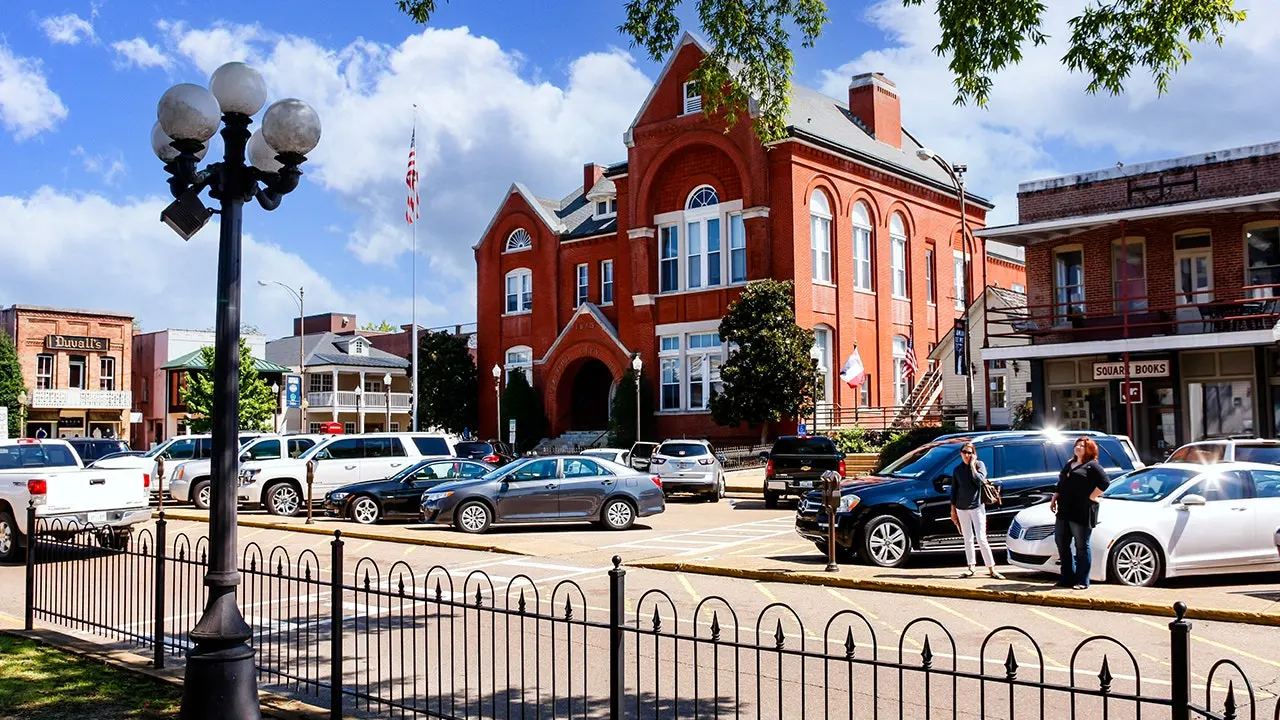
Just before dawn on Thursday, the quiet streets of Oxford, Mississippi, were interrupted by the urgent wail of sirens. It was around five in the morning, a time when most college students are still asleep, when police and emergency medical personnel were dispatched to a residence in response to a call that no one ever wants to make. Inside, they found a 22-year-old woman lying unresponsive, the terrifying stillness of the scene hanging heavy in the air. Paramedics moved quickly, performing life-saving measures right there in that room, coaxing a person back from the edge of a crisis that could have ended in tragedy. The Oxford Police Department would later confirm that they revived her, and that she was expected to recover. It was a moment of relief, but also a moment of reckoning: nearby, investigators found synthetic kratom, a substance that has emerged as a troubling presence in communities across the country. The police were quick to clarify that this incident was not student-related, nor was it connected to two other recent deaths that have shaken the Ole Miss campus. But to the community waking up to this news, it was another reminder that the quiet mornings can still carry hidden dangers.
The discovery of synthetic kratom at the scene adds a complex layer to an already sensitive situation. Kratom, in its traditional form, comes from the leaves of a tree native to Southeast Asia, where it has been used for centuries as a mild stimulant and pain reliever. But what law enforcement often calls synthetic kratom is something different, manufactured in laboratories to mimic or amplify certain compounds, sometimes with unpredictable and dangerous results. It is not regulated in the same way as prescription drugs, and its availability often sits in a gray area of the law, especially to young adults who may not fully understand what they are taking. The Oxford Police Department did not say exactly how the substance was packaged or what form it took, but they made a point to note that in this particular case, the synthetic kratom found in the woman’s possession was not believed to have been purchased anywhere in the Oxford area. That detail offers some comfort to local residents, but it also raises questions about how such substances are moving through the region and who is supplying them. As of now, the case remains open, and officials are continuing to investigate the circumstances surrounding the overdose, including how the woman obtained the substance and whether anyone might be held accountable for selling it to her.
This incident comes at a particularly painful time for Oxford, a town still mourning the loss of two young men whose deaths remain unexplained. Aidan Hamilton, just 18 years old, and Robert Strang, 20, were both students at the University of Mississippi when they were found dead on September 21, with synthetic kratom also found nearby. They had their whole lives ahead of them, and their sudden loss has left family members, friends, and classmates wrestling with sorrow and confusion. The police have not released the official cause of death, saying only that the investigation is ongoing, and that has made the grief even harder to process. In the weeks since, legal trouble has also landed on local businesses. Vape store clerks near the Ole Miss campus were arrested and now face serious drug charges, a development that signals law enforcement is taking a hard look at how these products are being sold to young people. While officials have been careful to say that Thursday morning’s suspected overdose is not connected to the two student deaths, the proximity of these events is impossible to ignore. It has created a climate of anxiety, where parents receive phone calls with a little more fear in their voices, and students look at each other with new awareness of the choices they make.
At the heart of all this are people, not just police reports and headlines. The 22-year-old woman revived on Thursday is someone’s daughter, someone’s friend, someone who woke up this morning expecting an ordinary day and instead found herself in a fight for her life. The emergency responders who saved her will carry that memory with them, the relief of a successful resuscitation shadowed by the knowledge that they might not be so lucky next time. And then there are the families of Aidan and Robert, who are living every parent’s worst nightmare, waiting for answers that may take weeks or months to arrive. It is easy to reduce these events to a string of incidents in a news cycle, but the reality is far more human. The presence of synthetic drugs in a college town is not just an abstract public health issue; it is a real and present threat to young people who are still learning to navigate their independence, often in environments where experimentation is normalized. Community members have been left to wonder how many more close calls will happen before the message truly gets through, and how many more families will have to bury a child before the dangers are taken seriously.
From an investigative perspective, Thursday morning’s incident is far from closed. The Oxford Police Department has not said whether charges will be filed or whether the woman will face any legal consequences, focusing instead on her recovery and the ongoing effort to understand what happened. They have also made clear that the synthetic kratom found this time is not thought to have come from local stores, which complicates the narrative and suggests that users may be getting it from online sources, out-of-town dealers, or through other channels that require more specialized enforcement. That doesn’t mean the local vape shops are relieved of scrutiny. The recent arrests of clerks near campus have already shifted the conversation, and businesses that sell any kind of mood-altering product are likely to face increased attention in the coming weeks. Police have urged the public to be careful, to take any suspicious substances seriously, and to understand that the drugs being sold today are not the same as they were a generation ago. They are stronger, more unpredictable, and in the case of synthetic compounds, often more dangerous. As a developing story, more details are expected to emerge as toxicology reports come back and investigators trace the origins of the substance back to its source.
For now, the story is one of survival and sorrow intertwined, a community trying to make sense of a moment that feels both tragic and preventable. Thursday morning could have ended in another devastating loss, and the fact that it did not is a reminder of how fragile life is, and how quickly it can hang in the balance. But it is also a reminder that there is no single solution to the problems that lead young people to dangerous substances. There is no one villain, no one cause, and no easy fix. What Oxford needs now is what every community needs in the wake of such events: honest conversation, compassionate support, and a willingness to look out for one another. Parents need to talk to their children, friends need to look after each other, and officials need to continue the difficult work of preventing the next tragedy before it happens. The two students who died on September 21 still deserve answers, and the young woman revived on Thursday deserves a path forward that doesn’t lead her back to the same dangerous place. The developing story will unfold in the coming days, but the human stories behind it are already clear. They are stories of loss, of resilience, of emergency workers doing everything they can, and of a town that refuses to turn away.