





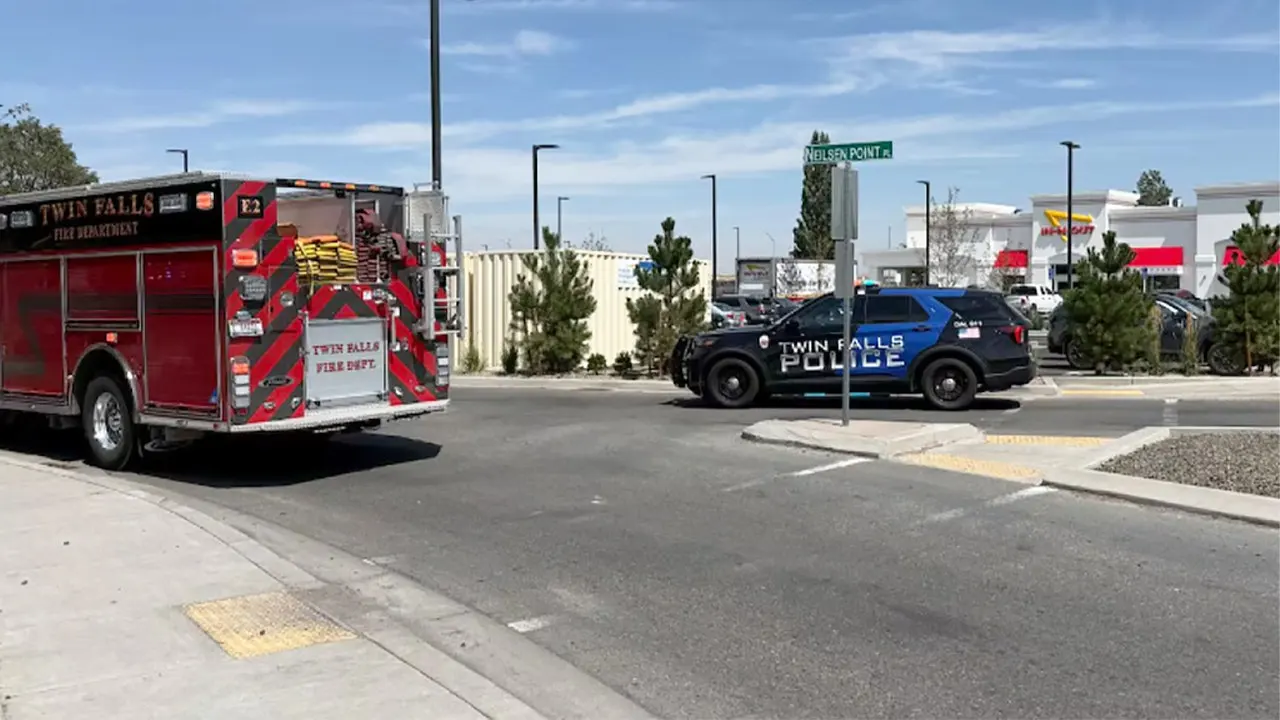
Twin Falls, Idaho, is a place where community is defined by close-knit connection, where the dramatic sweeping vistas of the Snake River Canyon meet a quiet, hardworking American town. It is a city where neighbors know one another and where milestones—even simple ones like the grand opening of a popular new In-N-Out Burger—are celebrated as major communal events. For weeks, the newly minted restaurant had been a beacon of youthful energy and simple weekend pleasures, drawing in local teenagers, busy parents, and hungry workers looking for a familiar comfort on a Saturday afternoon. On this particular Saturday, the air was filled with the usual hum of laughter, the sizzle of burgers on the grill, and the easy chatter of people enjoying their weekend routine. No one stepping through those doors could have anticipated that this mundane, cheerful slice of Americana was about to become the backdrop for an unimaginable nightmare. The sudden eruption of gunfire shattered not just the physical space of the restaurant, but the fundamental sense of safety that the people of Twin Falls had long taken for granted. In an instant, a place designed for gathering and joy was transformed into a site of sheer terror, leaving a permanent scar on the local landscape and reminding everyone of how fragile our daily sanctuaries truly are. The transition from peaceful weekend normalcy to a chaotic zone of survival happened in a heartbeat, leaving those present to grapple with a level of violence that felt entirely foreign to their quiet, peaceful corner of Idaho. This tragic event serves as a stark reminder of the unpredictable nature of modern life, where even the most routine tasks can be violently interrupted, forever altering the collective consciousness of a small town. The loss of innocence in Twin Falls is palpable, as a simple fast-food joint becomes a monument to grief.
At the center of this devastating tragedy was 24-year-old Chad Williams, a young local resident who, for reasons still being parsed by investigators, chose to unleash a deadly barrage of gunfire inside the bustling restaurant. According to Twin Falls Police Chief Matthew Hicks, authorities believe Williams acted entirely alone in planning and executing the attack, a revelation that leaves the community with agonizingly few answers. Witnesses described the sheer panic that ensued as shots rang out, echoing off the bright, tiled walls of the establishment and sending employees and customers scrambling desperately for cover. In the terrifying moments that followed, the routine sounds of kitchen timers and friendly conversation were replaced by screams, the deafening cracks of a firearm, and the frantic prayers of those hiding beneath booths and behind counters. Williams’ rampage was as swift as it was lethal, targeting individuals who had simply shown up to do their jobs or enjoy a meal. The violence culminated in the suspect taking his own life, with police later discovering his body near the scene of the crime, succumbing to a self-inflicted gunshot wound. The finality of his death means that the answers the victims’ families so desperately seek may never fully surface, leaving an open wound of unanswered questions and unresolved anger. This act of violence was not just a physical assault on those inside the building; it was an assault on the community’s collective peace of mind, leaving behind a trail of physical and emotional devastation that will take years to fully process. As investigators piece together the final moments of Chad Williams, the town is left to grapple with the haunting reality that a monster lived among them, unnoticed until it was far too suddenly late.
The human cost of Williams’ actions is staggering, measured not just in numbers but in the profound loss of human potential and the shattering of innocent families. Three people, including the gunman himself, lost their lives that day, while seven others were left wounded, bearing both physical injuries and deep psychological scars. Among the deceased were a dedicated restaurant employee and an unsuspecting customer—two individuals whose paths crossed in the worst possible way under the bright lights of the In-N-Out Burger. The employee, who had gone to work expecting nothing more than a standard shift of serving customers and cooperating with teammates, became a symbol of the ultimate sacrifice in a place where they should have been safe and protected. The customer, who had simply stopped by for a quick meal, represents the terrifying randomness of the attack, reminding us that any one of us could have been in that seat. For the families of these two victims, the world stopped spinning on Saturday; they are now forced to navigate an agonizing reality of empty chairs, unfulfilled dreams, and a grief that is as sudden as it is overwhelming. The seven wounded survivors face their own grueling battles, healing in hospital beds while trying to process the trauma of surviving an event that claimed the lives of those standing right next to them. Their physical wounds may eventually mend, but the invisible trauma of that afternoon will linger, a constant reminder of the day their lives were permanently altered. The pain ripples outward, touching friends, coworkers, classmates, and neighbors, creating a vast network of mourning that unites the town in shared sorrow.
In the immediate aftermath of the shooting, the community of Twin Falls began the painful process of coming together, demonstrating a resilient solidarity that stands in stark contrast to the senseless violence of the attack. City spokesperson Josh Palmer and Police Chief Matthew Hicks became the steady voices of reassurance in a time of profound confusion, guiding the public through the initial shock and coordinating the emergency response that undoubtedly saved lives. First responders rushed to the scene with a bravery that deserves immense recognition, running toward danger to administer life-saving aid and secure the area while the threat was still uncertain. In the days that followed, the newly opened restaurant, once a symbol of excitement, became a somber memorial site, adorned with flowers, handwritten notes, and flickering candles left by grieving residents. The community’s response highlights the profound strength that can be found in shared sorrow, as neighbors hugged neighbors, and strangers offered comfort to one another in the streets. This collective grieving process is essential for Twin Falls, a town that must now redefine itself not by the tragedy that occurred on Saturday, but by the love, compassion, and unity shown in its wake. The outpouring of support for the victims’ families and the survivors serves as a powerful testament to the human spirit’s ability to resist being broken by acts of malice, proving that light can still shine in the deepest darkness. As vigils are held and prayers are whispered, the community sends a clear message: they will not let fear dictate how they live, nor will they let the memory of the victims be forgotten.
As the investigation continues, the focus inevitably turns toward understanding the mind of Chad Williams and the complex, tragic nature of self-inflicted violence. At just 24 years old, Williams had his entire life ahead of him, yet he succumbed to a darkness that led him to commit an act of unspeakable cruelty before ending his own life. This aspect of the tragedy introduces a complicated layer of grief for the community, as it forces a confrontation with the painful realities of mental health, isolation, and the devastating consequences of unchecked despair. While there is justifiable anger directed toward Williams for the pain he inflicted on innocent people, there is also a tragic sadness in realizing that a young man’s life concluded in such a horrific manner. His family, too, must now bear a unique and heavy cross, mourning the loss of a son or brother while simultaneously grappling with the immense guilt and public shame of his actions. This dual tragedy—where the perpetrator is also a victim of his own destructive impulses—highlights the urgent need for society to address the root causes of violence, including mental health support, crisis intervention, and community outreach. By looking closely at the tragedy of Chad Williams, we are reminded that behind every act of mass violence is a deeply fractured human story, one that requires our empathy and attention if we are ever to prevent such disasters from happening again. The community must find a way to balance their anger with a desire for understanding, seeking answers that might protect others in the future.
Ultimately, the healing of Twin Falls will not be measured by how quickly the physical scars of the In-N-Out Burger are repaired, but by how the community chooses to remember and honor those who were affected. The legacy of this dark Saturday must not be defined by the shooter or the violence he brought to their town, but by the lives of the employee and the customer who were so cruelly taken, and by the resilience of the survivors. As the flowers at the memorial fade, the commitment to supporting the victims’ families must remain steadfast, ensuring they are never left to carry their heavy burden alone. The tragedy has sparked important conversations about safety, mental health, and the need for greater connection in an increasingly fragmented world. Twin Falls has the opportunity to emerge from this nightmare stronger, more compassionate, and more united than ever before, turning their shared grief into a catalyst for positive change. By holding onto one another and refusing to let fear dictate their lives, the people of this Idaho town are reclaiming their sense of peace and community. They are proving that while a single act of violence can shatter an afternoon, it cannot destroy the enduring bond of a community built on love, mutual respect, and a shared hope for a safer, more empathetic tomorrow. In remembering the lost, supporting the wounded, and seeking to understand, Twin Falls is paving a path toward a brighter future, one step at a time, ensuring that love always has the final word.