




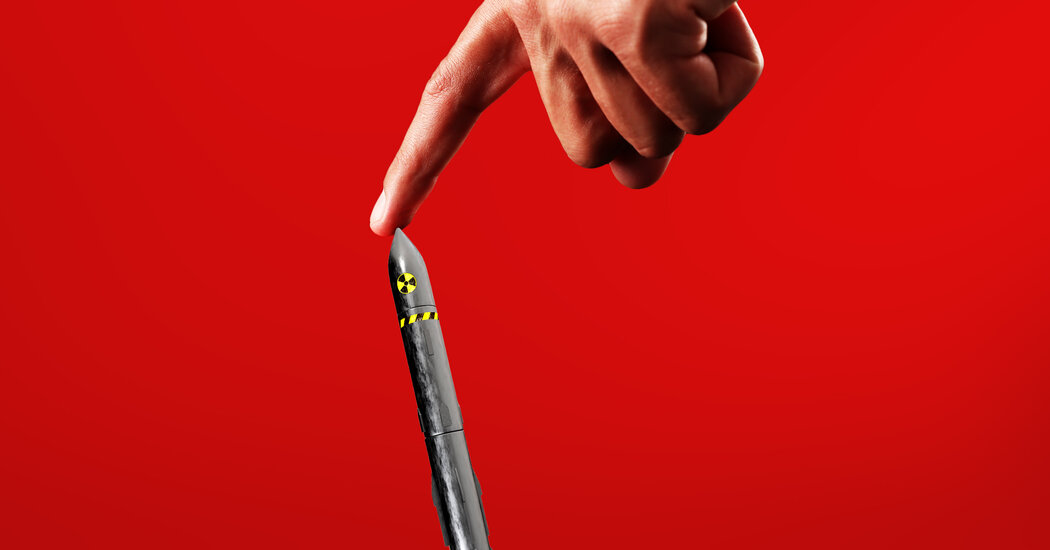
Summarize and humanize this content to 2000 words in 6 paragraphs in EnglishToday, Iran’s nuclear program is arguably the weakest it’s been since the early 2000s, when its military nuclear activities were publicly exposed. For the first time in decades, it may not be able to enrich uranium, largely owing to last year’s U.S. and Israeli strikes on its key nuclear sites. To produce a nuclear weapon, Iran would need to reconstitute that infrastructure, which is believed to have been largely destroyed, while to facing the prospect of additional strikes as it tried to rebuild. What’s more, as of last September, the United Nations reimposed an array of international sanctions on Iran after several members accused Tehran of “continued nuclear escalation.”It is possible that Iran’s leaders will redouble their pursuit of nuclear weapons. But it is just as likely that after all it has suffered, Tehran will conclude that its decades-long military nuclear enterprise was a costly mistake that provoked the very attacks it was meant to deter.This context is why comparisons between current U.S. diplomatic efforts and the negotiation of the 2015 nuclear agreement are not apt. In 2015, Iran possessed a large-scale nuclear complex and could have, some experts estimated, built a bomb within months. President Barack Obama saw the agreement, which temporarily restricted Iran’s nuclear activities in exchange for sanctions relief, as an alternative to war. Today, the United States has fought that war, and Iran’s nuclear program is in ruins.That’s not to say it’s gone. Elements of Iran’s nuclear program remain, the most worrisome of which is its stockpile of enriched uranium. But much of this material is reportedly buried deep underground, and the risk it poses is manageable if the United States exercises vigilance — which would be required even with a nuclear deal in place, given the risk Iran would cheat — and is ready to act if Iran moves to recover it. The danger Iran’s residual nuclear capabilities present must be weighed against other threats posed by Tehran, such as Iran’s missile and drone development and its support for regional proxy forces like Hezbollah in Lebanon and Shiite militants in Iraq.If and when it does negotiate with Iran, Washington will be in a stronger place to do so with shipping traffic in the Gulf restored. Much of the global economic pressure that has been building as a result of this war will dissipate once the Strait of Hormuz reopens, but Iran’s economy will remain in tatters. The regime struggled to meet Iranians’ basic needs before the war; even after, as per the preliminary agreement, the United States lifts its naval blockade and waives certain restrictions , broader sanctions will still constrain Tehran’s capacity to rebuild. But those sanctions, which will be subject to further negotiations, can be traded only once. They should not be lifted cheaply, and almost certainly not in exchange for the modest nuclear concessions Iran has left to offer.