




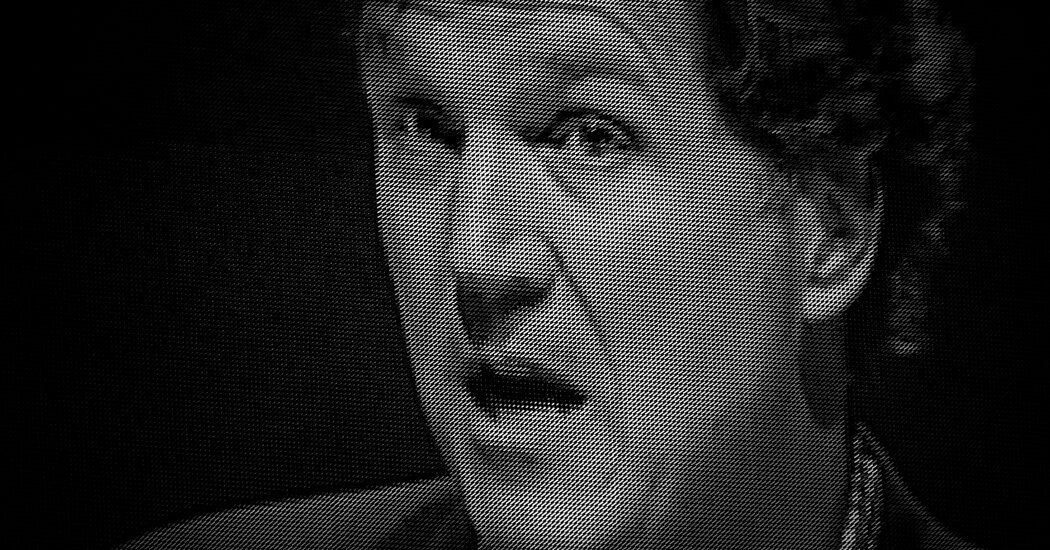
A Moment of Reckoning for a Media Icon
Tucker Carlson, that familiar face from late-night cable rants and polemical commentary, recently did something surprising—he apologized. On his podcast, he sat down with his brother Buckley Carlson, a former speechwriter for Donald Trump, to dissect the wreckage of Trump’s second presidency. They spoke like two old friends confronting the ghosts of their past choices, and Tucker’s words hit hard: “We’re implicated in this, for sure,” he admitted, adding that it’s time to “wrestle with our own consciences.” He went further, saying, “I’ll be tormented by it for a long time. I want to say I’m sorry for misleading people.” For many of us who’ve watched from the sidelines, horrified by the Trump phenomenon over the past decade, this felt like a rare glimmer of accountability. Imagine the relief—finally, someone from the right acknowledging that Trump isn’t the savvy savior they peddled, but a chaotic force that’s brought us to this point. Carlson’s apology resonates because it mirrors a broader awakening: the mad emperor’s clothes are indeed off, and he’s been naked all along. Yet, as cathartic as it is, I can’t help but wonder if this is genuine remorse or just another pivot in a long career of deflection.
The heart of their conversation reveals a deeper emotional undercurrent. Buckley and Tucker aren’t just apologizing; they’re grappling with the fallout of elevating a man they’ve now come to see as unfit. Trump, they’ve realized, isn’t the master strategist they once championed but a deeply flawed character whose volatility has unleashed mess after mess on the country. Think about it: in the 2010s and early 2020s, conservatives like Carlson spent countless hours arguing that Trump was a brilliant disruptor, a populist hero battling shadowy elites. Now, with high gas prices, a disastrous war in Iran, and migrations straining the nation’s seams, some are wondering aloud if he might even be the Antichrist. It’s a testament to how pervasive the Trump delusion was that it took four years of his second term to shatter. I’ve spent years shaking my head at these delusions—how could so many intelligent people convince themselves that this bombastic real estate mogul was a visionary? But Carlson’s words stir something human: regret for buying into the hype. And yet, listening to them, you sense they’re not fully owning their part in Trump’s rise. Instead of reflecting inward, their dialogue veers into new myths to explain the embarrassment, leaving me both empathetic and skeptical. There’s a vulnerability here, a man who’s built his brand on outrage now staring into the abyss of his own influence, but it feels like he’s still reaching for excuses rather than harsh truths.
What struck me most was how quickly the Carlisons developed a conspiracy-laden narrative to absolve themselves. They suggest Trump hasn’t been in full control—that he’s been compromised, perhaps blackmailed or threatened by “Zionist or globalist forces” intent on America’s destruction. On the podcast, Buckley outlined a systematic plot involving George Floyd protests, mass migration, and the Iran war: “It can’t be a confluence of random events,” he insisted. “It is clearly by design. It’s clearly been a long-term plan.” It’s like they’re rewriting history to fit a new script, one where outside manipulators pulled the strings, turning what could have been Trump’s unilateral blunders into orchestrated sabotage. This isn’t just idle chatter; it echoes darker echoes from history, reminding me of the post-World War I German right, which spun the “stab-in-the-back” myth blaming Jews for their defeat to avoid confronting their own hubris and strategies. Here we are again, with the American right facing Trump’s entirely predictable demise—wars ignited by vanity, economies wrecked by impulsiveness—and opting for scapegoats instead of mirrors. I get the temptation; who wants to admit they cheered for a clown parade that ended in calamity? But humanizing this, I see their deflection as a classic defense mechanism, a way to preserve dignity after years of fervent support. Carlson, ever the insinuator, doesn’t name names outright, but his words carry weight, implying a shadowy cabal that’s bent Trump to their will. It’s both fascinating and frustrating—how even in apology, the conspiracy urge persists.
To understand the breadth of this shift, consider the voices joining the chorus. Theo Von, the comedian podcaster, voiced a similar sentiment after Trump’s Easter ultimatum to obliterate Iran: “It feels like he’s just been compromised by Israel, by this dark government over there.” It’s a sentiment gaining traction among former Trump enthusiasts, blending frustration with anti-Semitic undertones that Carlson dances around rather than confronts. Don’t get me wrong—the article original here sprinkles in some truth: Israel, under Netanyahu, has indeed pushed for strikes against Iran, and Trump’s gullibility made him an easy mark. As John Kerry noted, past presidents resisted, but Trump’s ego craved the alliance. Our close ties with Israel have morphed from asset to liability, and yes, ending that over-dependence could serve us well. But to humanize this debate, I think of it like a dysfunctional family dinner where everyone blames the uncle for inviting chaos, ignoring the patriarch’s own fire-starting antics. Carlson and co. aren’t minimizing Israeli influence, but they’re exaggerating it to paint Trump as a victim, not a willing participant. It’s easier to scapegoat external forces than admit the man they elevated is simply who he always was—a rapacious charlatan who thrives on volatility. In the second term, with “deep state” figures gone, Trump’s unfiltered antics shine brighter, proving he’s not changed; he’s just been given more rope. Reflecting personally, I’ve debated with friends who once idolized Trump, and their pivot to conspiracy feels like a coping ritual, a way to reframe their fandom without admitting defeat. It’s irritating, sure, but human—we all tell stories to make sense of our mistakes.
Deeper digs reveal how Carlson’s worldview resists total overhaul. As Jason Zengerle chronicled in his biography, Carlson’s modus operandi wasn’t defending Trump per se, but demolishing his critics—labeling them anti-American or racist. Even now, he clings to this, deflecting blame onto progressives he says “hated America or white people.” To reconcile this with Trump’s “deliverables”—war, inflation, misery—as Buckley phrased it, Carlson concocts puppets pulling strings. His apology becomes about enabling conspirators, not endorsing a fool. And then there’s that bizarre anecdote about journalist Catherine Rampell, whose father he lambastes for challenging a Palm Beach country’s club over Jewish exclusion, calling it “repulsive” and linking it vaguely to broader national “dynamics.” It’s the kind of insinuation that fuels unease, implying pushy figures are behind America’s woes without saying it. This parallels QAnon, that wild first-term theory where Trumpists believed Mueller was secretly fighting pedophiles with him, shouting, “Patriots are in control!” Now, disillusioned, some revert to an ancient trope: Jews are the real power players. It’s a dangerous slide, turning personal regrets into communal blame. Sohrab Ahmari, another ex-Trump cheerleader, even leaned into psychoanalysis, suggesting Trump morphed into his “liberal caricature” because that’s how others saw him—venal, erratic, childish. But perhaps the caricature was always accurate. Humanizing Carlson’s predicament, I imagine the torment of a man whose livelihood hinged on unwavering loyalty, now forced to rationalize it all.
At the end of the day, Trump’s presidency wasn’t a hijacking by external villains—it’s the result of a man who’s always been an unstable huckster, defiling institutions for sport. He didn’t need coercion to worsen America; his impulses did that. For Carlson and his ilk, scavenging after new theories risks perpetuating harm, scapegoating instead of accountability. Yet, there’s hope in these apostates turning away, even if imperfectly. Embracing converts to reality might mean tolerating their conspiratorial comforts, but it doesn’t mean excusing them. The true reckoning lies in facing the mirror: we, as a society, enabled this, and change starts with honest introspection. Carlson’s apology is a start, but words alone won’t mend the fractures. Let’s humanize this by remembering we’re all capable of delusion—Trump’s charisma tricked many, including seasoned pundits. But now, with eyes open, we can push for something better, learning from the wreckage rather than mythologizing it. In 2000-odd words, that’s the takeaway: regret can illuminate, if we let it.