


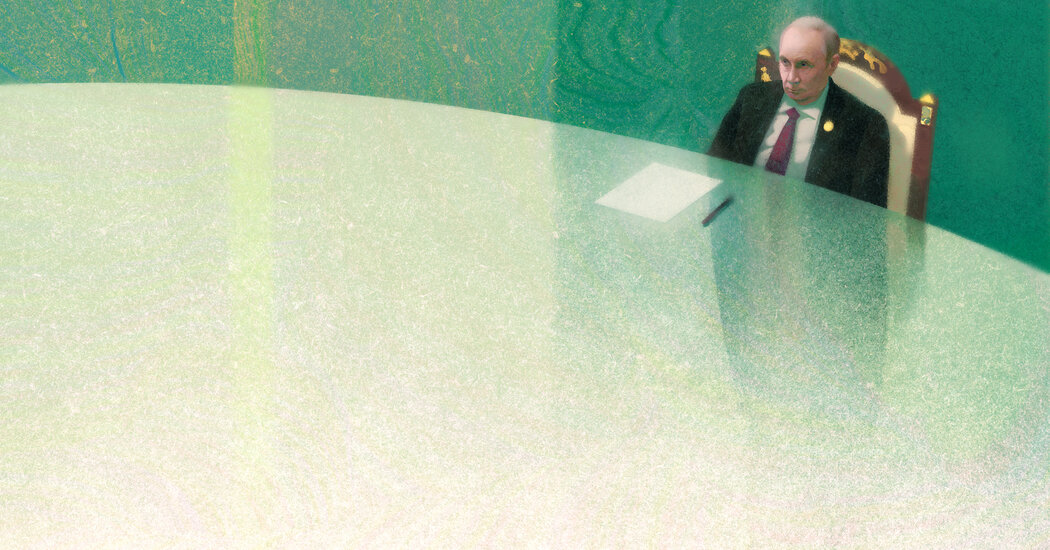
To peer into the heart of modern Russia is to witness a profound, collective paralysis, a state of being where finding a shared path out of the current political architecture feels both psychologically impossible and strategically unimaginable. For the average citizen, the state has become an all-encompassing weather system—grim, unpredictable, and entirely beyond their control. There is an agonizing absence of any visible figures, institutions, or movement capable of challenging, let alone unseating, the president. In this deeply stifled environment, any longing for a different reality can only manifest in fleeting, desperate gasps. We see these flickers of resistance pop up in response to everyday grievances, such as the sudden throttling of the internet or the blocking of communication channels, where citizens momentarily find their voice to express frustration. Yet, because these complaints have no institutional pipeline to flow into, and no organized political opposition to champion them, they are easily snuffed out by the state’s security apparatus. The resulting silence is not a sign of uniform consent, but rather of a deep, exhausting resignation. It is the silence of a population that has learned, through decades of trauma, that wishing for change is often a prelude to disappointment, or worse, self-destruction. This psychological deadlock keeps the country frozen in place, trapped in a status quo that almost everyone knows is unsustainable, yet no one has the power to alter.
To understand why this paralysis runs so deep, one must look to the history of human rebellion and the delicate mechanics of hope. Historically, great social upheavals—such as the revolutions that swept through Europe in the late eighteenth and nineteenth centuries, or the dramatic dismantling of the Eastern Bloc in 1989—were not triggered by absolute despair, but by the intoxicating spark of rising expectations. When everyday people begin to perceive that a better, freer, and more prosperous future is not only desirable but actually achievable, they are galvanized to step out of the shadows and accelerate the wheels of history. This was the magic of Mikhail Gorbachev’s policy changes, which filled the late Soviet air with the promises of glasnost and perestroika, convincing millions that the old walls could indeed tumble down. Vladimir Putin, a keen and cynical student of Russian history, has spent his entire presidency carefully ensuring that no such hope ever takes root again. He has conducted a systematic campaign to lower the psychological ceiling of the Russian populace, cultivating a culture of low expectations. By convincing his people that the outside world is hostile, that democracy is merely a chaotic illusion, and that any alternative to his rule would bring back the devastating ruin of the 1990s, he has successfully transformed a potential vision of a modern, open Russia into a weary, numb acceptance of dictatorship and permanent war.
This current, uncomfortable state of equilibrium, however, is a fragile construct built on broken promises. In the early years of his rise to power, the core promise of Putinism was a straightforward, albeit Faustian, bargain. Following the economic collapse, rampant crime, and humiliation that defined the post-Soviet transition, the newly appointed president offered a tempting trade: the Russian people would relinquish their political agency and democratic aspirations in exchange for predictable stability, rising living standards, efficient governance, and a renewed sense of national pride. For a time, fueled by soaring oil revenues, this arrangement bore fruit, creating a growing middle class in major cities like Moscow and St. Petersburg. Millions of Russians were able to vacation abroad, buy modern consumer goods, and ignore the slow erosion of their constitutional rights. But as the years have dragged on, the president has transformed from a shrewd modernizer into a textbook autocrat, revealing the deep flaws in his capacity to govern. Rather than acting as a visionary head of state or a competent steward of a complex global economy, he has presided over stagnation, isolated his nation from the international community, and embroiled Russia in a series of destructive regional conflicts that are now beginning to backfire spectacularly.
The reality of this failure is no longer something that can be hidden behind state-sponsored television broadcasts or clever propaganda campaigns, as the war in Ukraine steadily bleeds back across Russian borders. What was once marketed to the public as a distant, sanitary “special military operation” has now morphed into an existential crisis that threatens the very core of Russian domestic security. Each successful Ukrainian drone strike on Russian oil refineries, each cross-border incursion, and each disruption of daily life in border regions like Belgorod chips away at the regime’s central promise of safety. This dynamic is gradually eroding the material well-being of ordinary citizens, who must now navigate the quiet anxieties of rising inflation, labor shortages, high interest rates, and the constant, looming threat of further military mobilization. The illusion of a normal, comfortable life lived in parallel to a distant war is rapidly disintegrating. This slow-motion unraveling of the domestic economy and physical security exposes the profound irony of the regime: in his desperate bid to secure Russia’s place in the world through brute force, the president has instead imported instability directly into the homes of his own citizens, destabilizing the very nation he claimed he would protect.
Consequently, any future pathway toward a competent, stable, and genuinely effective Russian leadership now requires nothing less than the systematic unraveling of the entire system of Putinism. Because the current regime has spent more than two decades dismantling any independent courts, parliaments, political parties, or free media, there are no structural shock absorbers left to facilitate a smooth, peaceful transition of power. As the current administration becomes increasingly illegitimate in the eyes of its people and less capable of delivering basic services or security, the internal pressure cooker continues to build. The eventual exit of the president—whether through natural causes, internal palace intrigue, or sudden systemic collapse—will not be followed by a neat, orderly election. Instead, it is highly likely to unleash a fierce, unpredictable, and potentially violent struggle for position among the competing factions of the Russian elite, including security officials, oligarchs, and regional governors. The very system that was built to prevent chaos has, by its complete intolerance of alternatives, guaranteed that its conclusion will be incredibly volatile, threatening to shatter the illusory stability that has been maintained at such an immense human cost for over twenty years.
Ultimately, this ongoing crisis reflects a deeply human tragedy, highlighting the vulnerability of a society caught in the gears of a highly sophisticated authoritarian machine. The plight of modern Russia serves as a sobering reminder of how easily a nation’s future can be mortgaged for the short-term comfort of order, and how difficult it is to reclaim that future once the state has monopolized all forms of truth and power. Yet, history suggests that no system of total control can indefinitely suppress the basic human desires for dignity, prosperity, and self-determination, especially when the state fails to deliver on its most fundamental obligations. As we watch this slow, painful erosion of the Russian social fabric from the outside, the international community is forced to confront a deeply unsettling reality: the eventual fall of this regime, while necessary for the long-term health of the region and the world, will be a chaotic and dangerous affair. The challenge for the future will not only be the dismantling of a corrupt dictatorship, but the painful, generation-long process of helping a wounded, disillusioned society rebuild itself from the ashes of a broken promise, so that they might finally discover a collective path toward a genuinely open and peaceful nation.