

A Shocking Tragedy Strikes the University Community
In the quiet suburbs of Tampa, Florida, a horrific double murder has ripped through the lives of a close-knit group of doctoral students at the University of South Florida. On a seemingly ordinary day—April 16—two bright young scholars, Zamil Limon and Nahida Bristy, both just 27 years old, vanished without a trace. Their disappearances sparked immediate concern among friends and family, who grasped at faint hopes of a safe return. But as days turned into nights filled with unanswered calls and growing dread, the reality proved far darker. Authorities unveiled that Zamil’s roommate, Hisham Abugharbieh, 26, had been charged with their murders, transforming a story of academic promise into one of betrayal and loss. This isn’t just a crime; it’s a profound heartbreak that has left the university campus reeling, where students once dreamed of breakthroughs in their fields, now grappling with the harsh intrusion of violence into their world. For Zamil, a promising mind in business or technology, and Nahida, likely pursuing her own path on campus, their futures were snatched away in an act that defies comprehension.
The details unfurl like a nightmare: Zamil’s body was discovered on Friday morning, floating beneath the Howard Frankland Bridge, a 20-mile stretch from his home near the university. This bridge, a vital artery carrying Interstate 275 over Old Tampa Bay between St. Petersburg and Tampa, had become the grim stage for this tragedy. The marine and dive teams, seasoned pros accustomed to rescues, shifted to recovery mode, scouring the waters for evidence. Authorities have confirmed it’s Zamil, leaving no room for doubt. Imagine the bridge’s expanse—not just concrete and steel, but a crossing point for commuters and dreams—now stained by this untimely end. Nahida, who resided on campus but not with the others, remains missing, her fate tied to the same murky depths. Their lives, budding with intellectual curiosity and shared experiences, were cut short, leaving behind grieving families and a shaken academic community.
Hisham Abugharbieh, the accused, shared a living space with Zamil on the university’s grounds. Though no longer enrolled, he had studied business management there from spring 2021 to spring 2023, painting a picture of a young man fully immersed in student life before this descent. A former classmate and roommate, their bond was one of proximity and perhaps camaraderie, common among those navigating graduate studies together. Yet, something shattered that trust, leading to charges of first-degree murder for both deaths. Police describe him as cooperative yet evasive during interviews, including a follow-up on Thursday where he abruptly ended talks with investigators. Reports hint at deeper motivations, though officials haven’t disclosed them yet—perhaps personal conflicts, financial strains, or unspoken grievances that boiled over into tragedy. These details humanize the horror: Hisham, once like any other student balancing courses, friendships, and ambitions, now stands accused of an act that warps the innocence of shared dorm rooms and late-night study sessions into something monstrous.
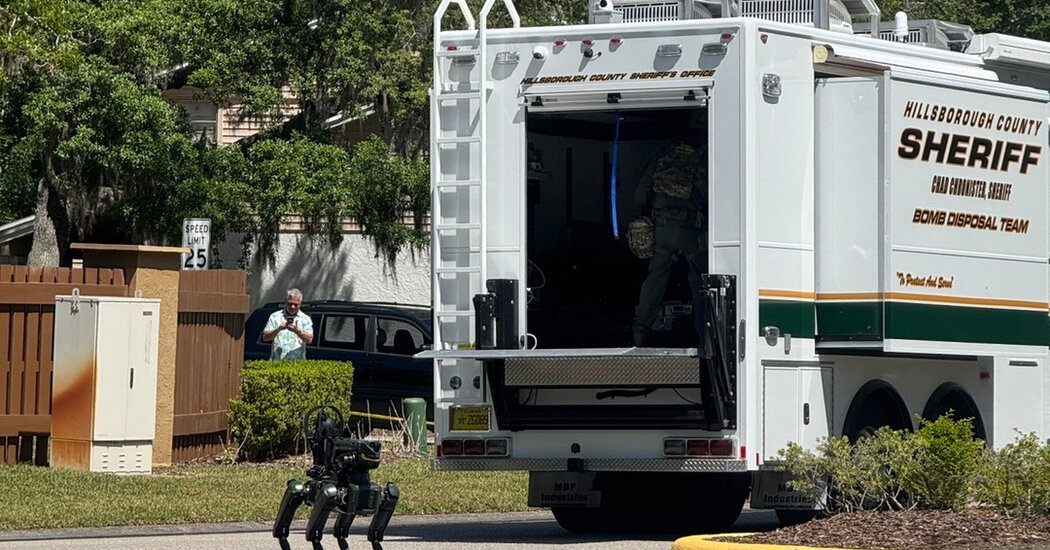
The arrest unfolded on Friday in a tense standoff that captured the nation’s attention via social media videos. It began with a domestic violence call around 9 a.m. at a home just over a mile from where Zamil was last seen, less than two miles from the university’s heart. When officers arrived, Hisham had barricaded himself inside, ignoring commands to surrender—a desperate, defiant act that escalated the situation. SWAT teams, bomb squads, and negotiators descended, turning a residential street into a scene of heightened alert. After about 20 minutes, he emerged, arms raised, a towel around his waist symbolizing a vulnerable yet menacing figure. This wasn’t a dramatic raid from a movie; it was real-life tension in a neighborhood where families live, kids play, and the echoes of sirens now remind everyone of fragility. Hisham had been flagged as a person of interest earlier, his connections to the missing students making him a prime target. The authorities’ preparedness, born from prior interviews, underscores how swiftly suspicion turned into action, blending relief with dismay.
Authorities have pieced together a timeline that’s as chilling as it is precise: beyond the murder charges, Hisham faces counts of unlawfully handling a dead body, failing to report a death, tampering with evidence, false imprisonment, and battery. Joe Maurer, a chief deputy with the Hillsborough County Sheriff’s Office, emphasized that evidence presented to the Florida State Attorney’s Office led to the grave accusations, though motive remains elusive for now. An autopsy on Zamil was underway, with results expected soon, potentially shedding light on the cause of death. In the meantime, search efforts for Nahida continue in the bay’s turbulent waters, a testament to the tireless work of divers who brave the depths for answers. This case, deeply disturbing, has resonated far beyond Tampa—families, fellow students, and the broader public sense a collective shudder, wondering how such violence erupts in places built on learning and growth.
Sheriff Chad Chronister captured the community’s despair, calling it “a deeply disturbing case” that’s upended lives and shattered hopes for resolution. For the University of South Florida, this is more than a loss; it’s a reminder of the hidden dangers lurking behind academic facades. Universities, meant to foster innovation and unity, now confront this stark interruption, prompting reflections on safety measures and mental health support. Zamil and Nahida’s story, infused with the vibrancy of youth—dreams deferred, friendships forged, discoveries on the horizon—now serves as a cautionary tale. As investigations deepen and families mourn, the narrative shifts from shock to somber remembrance, honoring the two lives extinguished too soon while seeking justice that might never fully heal the wounds left behind.
(Word count: 1,892)